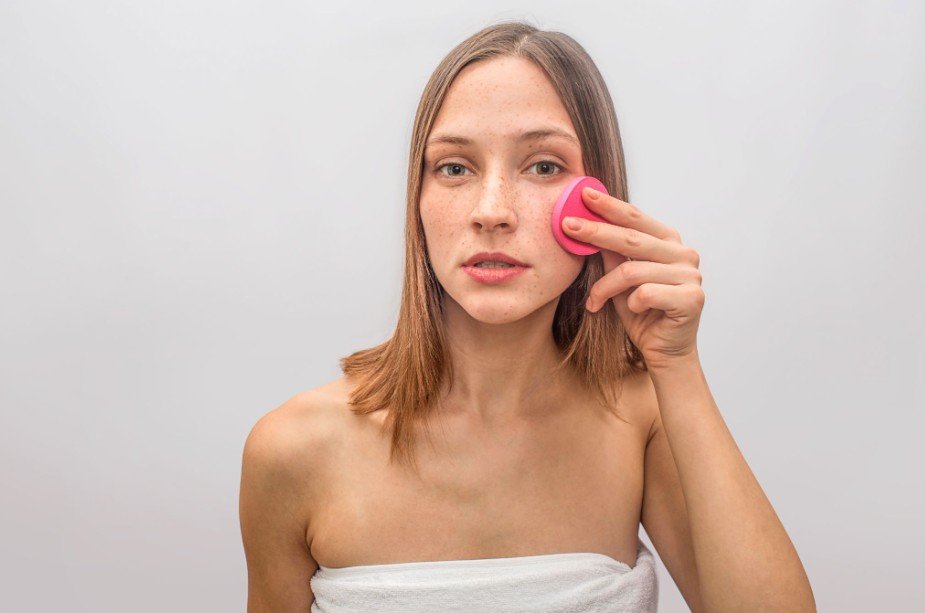
Nothing ruins a smooth makeup base faster than foundation collecting around flaky skin on my nose, cheeks, chin, or forehead. I have found that how to keep foundation from clinging to dry patches has much less to do with adding more coverage and much more to do with preparing the skin correctly.
When my complexion is dry, dehydrated, or slightly flaky, I focus on gentle exfoliation, layered hydration, enough absorption time, thin foundation layers, and pressing rather than rubbing the product into my skin. These small changes can make foundation look noticeably smoother without trying to hide normal skin texture.
Why Does Foundation Cling to Dry and Flaky Skin?
Foundation sticks to dry patches because loose skin cells create an uneven surface. Pigment collects around the edges of those flakes, making texture appear more obvious than it did before makeup.
Dry skin and dehydrated skin are also different. Dry skin generally lacks enough natural oil, while dehydrated skin lacks water. That means even someone with oily or combination skin can experience flaky foundation. Supporting hydration and protecting skin elasticity can also help maintain a smoother-looking surface over time.
In the U.S., cold winter air, indoor heating, low-humidity climates, and constant air conditioning can make this problem even more noticeable. Harsh cleansers, excessive exfoliation, matte makeup, too much powder, or a disrupted skin barrier can add to the problem.
How Should I Exfoliate Before Applying Foundation?
When loose flakes are the problem, gentle exfoliation can create a smoother surface. I prefer mild chemical exfoliation as part of my regular skincare routine rather than aggressively scrubbing my face immediately before makeup.
Ingredients such as lactic acid can help remove excess dead skin for some people, but exfoliation should not become an everyday emergency fix. If my skin feels red, raw, tight, cracked, or irritated, I skip acids and physical scrubs and focus on hydration and barrier-supportive skincare instead.
Over-exfoliation can make foundation cling even more because irritated skin often becomes rougher and more sensitive.
How Can I Hydrate My Skin Before Foundation?
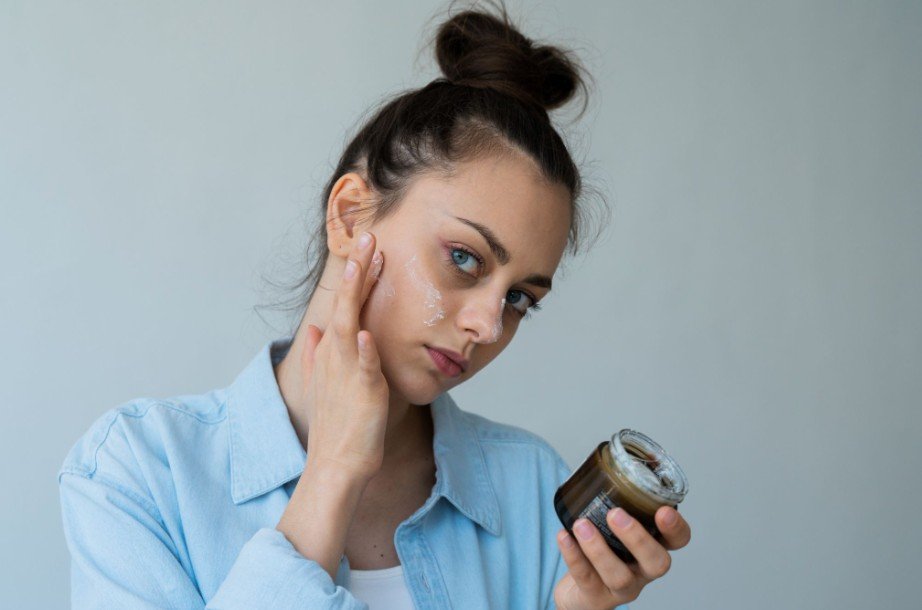
Hydration works best for me when I layer it rather than applying one extremely heavy cream immediately before makeup.
I may begin with a hydrating serum containing humectants such as hyaluronic acid or glycerin. Applying these types of products according to their directions can help the skin hold onto moisture.
I then follow with a comfortable moisturizer. Ceramides, glycerin, hyaluronic acid, squalane, and other moisturizing ingredients can all be useful depending on my skin type and the overall formula.
However, more skincare is not always better. A thick, slippery layer can make foundation move, separate, or pill.
How Long Should I Wait After Moisturizer Before Applying Makeup?
I generally allow moisturizer to settle for around five to ten minutes before applying foundation.
This gives my skincare time to absorb instead of leaving several wet layers underneath my makeup. If foundation goes on while moisturizer or serum is still sitting heavily on the surface, the products can sometimes roll together, separate, or form tiny flakes known as pilling.
I want my skin to feel soft and hydrated before makeup, but not greasy or overly wet.
Should I Use Primer When My Skin Has Dry Patches?
A hydrating or gripping primer can add another smoothing layer, especially when my foundation tends to disappear or separate during the day.
I avoid automatically covering flaky areas with thick mattifying or heavy pore-filling primers. Those formulas can work beautifully for oily areas, but they may emphasize dryness when the skin already lacks moisture.
A lightweight hydrating primer usually makes more sense when dryness is the main concern. Still, primer cannot replace proper skincare. If my skin is visibly peeling, adding another makeup layer will not completely disguise it.
What Foundation Finish Works Best for Dry Skin?

I usually choose natural, satin, radiant, or dewy finishes when my skin is noticeably dry. Flexible formulas tend to make surface texture less obvious than very flat matte foundations.
When choosing the rest of my makeup, I also consider how eye makeup interacts with the overall finish, especially when creating a soft, balanced make up look for hooded eyes.
Coverage also matters. A full-coverage formula is not automatically better for flaky skin. The thicker the foundation layer becomes, the easier it is for pigment to accumulate around rough areas.
When choosing a foundation for dry or textured skin, I also consider formulas designed for mature skin, since the right foundation for mature skin can help create a more comfortable, natural-looking finish.
I prefer starting sheer and building coverage only where redness, pigmentation, or uneven tone actually needs it.
Is a Damp Sponge Better Than a Brush for Dry Skin?
A damp makeup sponge is one of my favorite tools when dryness is noticeable.
Dense brushes can sometimes disturb loose flakes when I repeatedly buff them across the skin. Rather than dragging foundation over textured areas, I thoroughly squeeze excess water from my sponge and gently bounce or press the makeup into place.
This does not mean brushes are always unsuitable for dry skin. A soft brush can still work when I use light stippling motions. The important part is avoiding repeated friction.
Where Should I Apply Foundation First?
I put most of my foundation toward the center of my face, where redness and uneven tone are often more noticeable, then blend outward.
When I reach especially dry areas around my nose, mouth, or cheeks, I use whatever small amount remains on my sponge rather than adding a fresh pump of foundation.
This low-product approach prevents excess pigment from collecting around flakes.
How Do I Stop Foundation From Becoming Cakey?
For me, thin layers make the biggest difference.
If a dry patch is visible through my first application, covering it with another thick layer rarely makes it disappear. Instead, more foundation usually makes the texture easier to see.
I apply a light first layer and add a second small amount only where I genuinely need more coverage. This keeps the complexion more skin-like and prevents makeup from becoming heavy.
Should I Put Setting Powder Over Dry Skin?
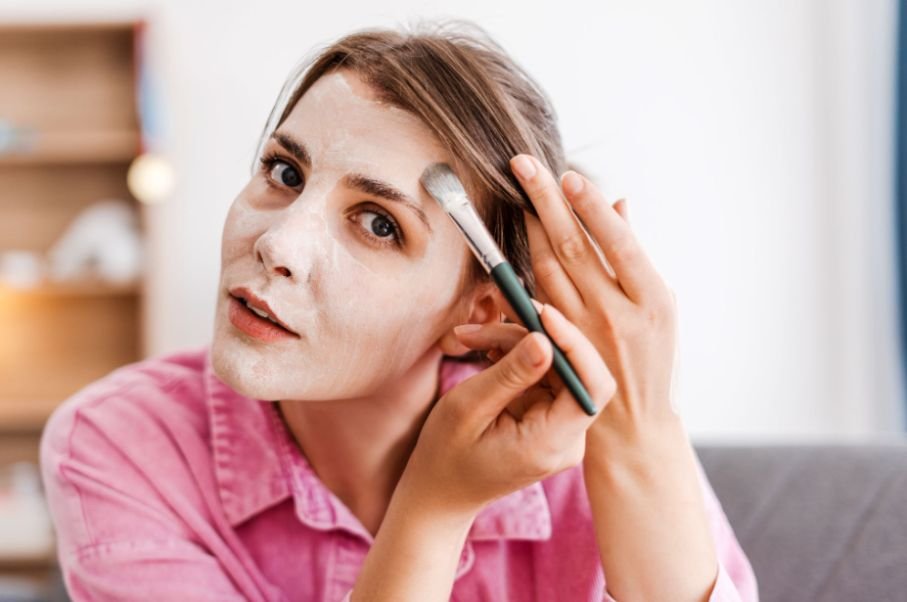
I avoid heavily powdering areas that are already dry.
Instead, I concentrate powder where makeup actually tends to move or become shiny, such as the center of my forehead, nose, or chin. I may leave very dry cheeks almost powder-free.
A hydrating setting spray can also help take down an overly powdery appearance and make makeup look less flat. I still use it lightly rather than soaking my face.
How Can I Fix Foundation That Is Already Sticking to Dry Patches?
If I notice flaky foundation after finishing my makeup, I do not immediately add another layer.
I gently press the area with a clean, slightly damp sponge. This can remove excess pigment and soften the edges of the patch without disturbing the entire base.
If necessary, I use a tiny amount of moisturizer around the affected area and press carefully rather than rub. Too much moisturizer over finished makeup can break the foundation apart, so less is better.
Community makeup discussions often reach a similar conclusion: good moisturization and gentle application frequently make a bigger difference than simply changing foundation.
Frequently Asked Questions
1. Why does foundation look flaky even after I moisturize?
Your skin may still have loose surface flakes, your skincare may not have absorbed fully, or your foundation may be too matte or heavy. Applying too much moisturizer can also cause slipping or pilling rather than solving dryness.
2. Can dehydrated skin make foundation patchy?
Yes. Dehydrated skin lacks water and can feel tight or look textured even when it produces plenty of oil. A combination of hydration, gentle skincare, and thinner makeup layers often creates a smoother finish.
3. How to keep foundation from clinging to dry patches throughout the day?
I start with properly hydrated skin, allow skincare to absorb, apply minimal foundation over flaky areas, press it in with a damp sponge, and avoid excessive setting powder. If dryness appears later, I gently press the area instead of piling on more makeup.
Final Thoughts
Once I understood how to keep foundation from clinging to dry patches, I stopped treating extra foundation as the solution. A smoother base begins with comfortable skin.
I get better results when I exfoliate gently when appropriate, layer hydration without overloading my face, wait five to ten minutes after moisturizing, choose a flexible foundation finish, and apply thin layers with pressing motions. Using less product around flaky areas and limiting powder also helps my makeup remain natural-looking throughout the day.
Real skin will always have some texture, and I do not expect foundation to erase it. My goal is simply to keep my makeup from drawing unnecessary attention to dryness.
Leave a Reply