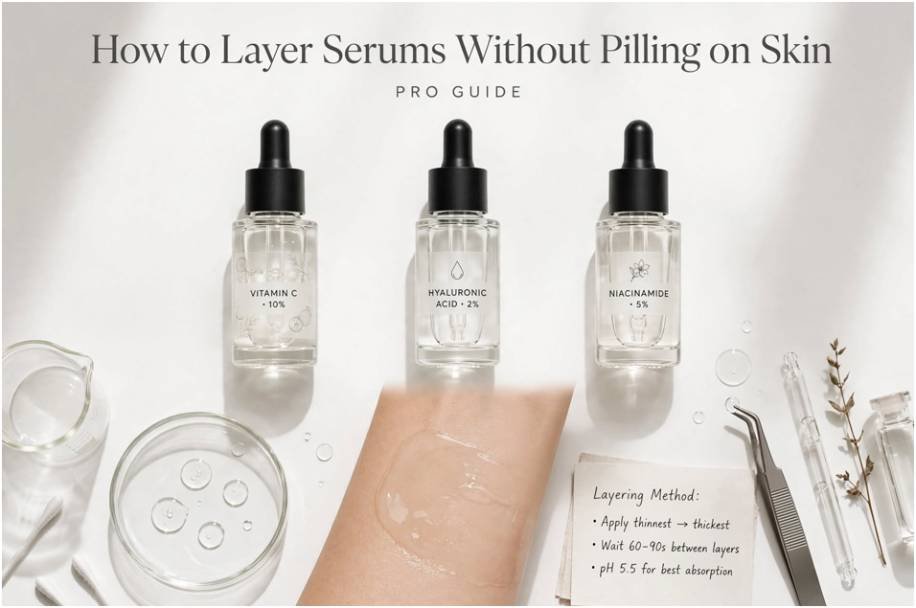
Category: Skincare

  • How to Get Rid of Closed Comedones on Forehead: A Clinical Guide

    How to Get Rid of Closed Comedones on Forehead: A Clinical Guide

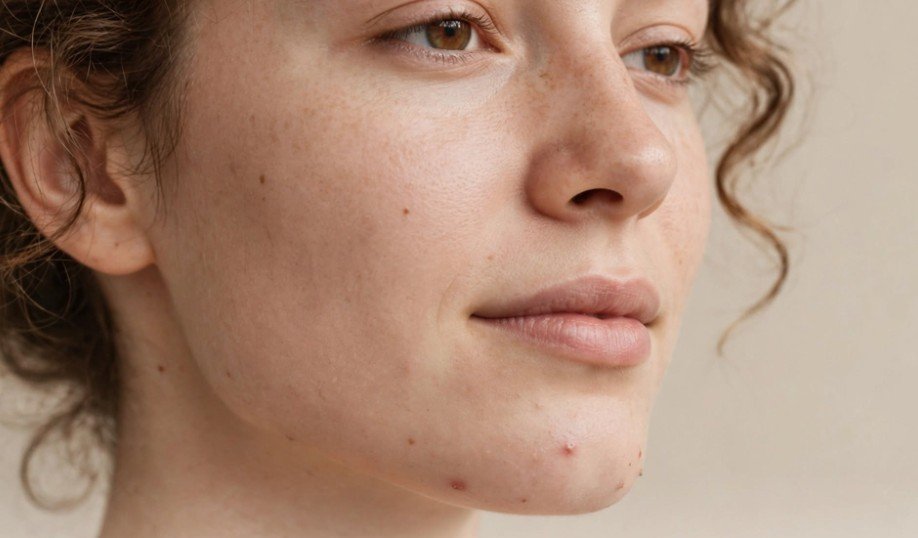
    Those tiny, flesh-colored bumps across your brow line feel like sandpaper, refuse to come to a head, and turn into angry red cysts the second you squeeze them. Learning how to get rid of closed comedones on forehead zones requires understanding cellular mechanics rather than reaching for an aggressive facial scrub.

    I spent months fruitlessly attacking my own forehead congestion with harsh walnut shells and pore strips. The bumps only multiplied. True clearing happened only when I swapped brute force for follicular cell turnover. Here is the exact clinical approach that dissolves these sealed blockages at the root.

    Why Forehead Comedones Refuse to Pop or Drain

    Why Forehead Comedones Refuse to Pop or Drain

    A closed comedone forms when a pore’s exit canal becomes completely blocked by compacted dead keratinocytes and sticky sebum. Unlike an open comedone (a blackhead), where the follicle opening remains dilated and oxidizes into a dark plug, a closed comedone retains a microscopic roof of epidermal tissue.

          CLOSED COMEDONE                     BLACKHEAD (OPEN)

     ┌───────────────────────────┐       ┌───────┐           ┌───────┐

     │   Intact Layer of Skin    │       │ Skin  │   OPEN    │ Skin  │

     ├───────────────────────────┤       ├───────┴───     ───┴───────┤

     │ Keratin + Trapped Sebum   │       │ Oxidized Melanin/Sebum    │

     │ (No air contact = flesh)  │       │ (Air contact = black)     │

     └───────────────────────────┘       └───────────────────────────┘

    Because the plug has no contact with ambient air, it stays skin-toned. Because an epithelial layer seals the opening, squeezing it merely fractures the inner follicular wall. That ruptures sebum into your dermis, triggering instant inflammatory acne.

    The Microcomedone Trap Beneath the Skin

    Every blemish starts invisibly as a microcomedone weeks before surfacing. According to the American Academy of Dermatology, abnormal hyperkeratinization—the failure of shedding pore cells to desquamate properly—causes cells to stick together like wet leaves in a gutter. 

    If your natural sebum contains higher ratios of squalene peroxides, that oil acts as mortar, locking those dead cells into a stubborn, solid plug.

    The Hairline Factor: Pomade Acne vs. Fungal Overgrowth

    The forehead sits directly in the splash zone of hair styling oils, shampoos, and conditioners. Heavy silicones, coconut oil, and styling waxes migrate onto the brow line while you sleep or sweat. This reaction, clinically designated acne cosmetica, creates dense clusters of comedones along your upper third of the face.

              DIAGNOSTIC TRIAGE: FOREHEAD BUMPS

                              │

                Does the texture itch when you sweat?

                             / \

                           YES  NO

                           /     \

        Pityrosporum Folliculitis   Are bumps uniform in size?

        (Malassezia Yeast)                    / \

                                            YES  NO

                                            /     \

                           Mild Folliculitis     Closed Comedones

                           or Contact Allergy    (Acne Vulgaris)

    However, if your forehead bumps are completely uniform in size, look like pinpoint red dots, and itch after a workout, you might not have acne at all. 

    A clinical review in the Journal of Clinical and Aesthetic Dermatology points out that Pityrosporum folliculitis (an overgrowth of Malassezia yeast within the hair shaft) is routinely misdiagnosed as comedonal acne. 

    Applying traditional acne oils or heavy creams to fungal overgrowth feeds the yeast, making the texture significantly worse.

    The Core Protocol to Dissolve Closed Follicles

    The Core Protocol to Dissolve Closed Follicles

    Scrubbing cannot remove a problem that lives beneath an intact epithelial sheet. You must chemically thin that roof while accelerating follicular purging from underneath.

    Topical Retinoids: Adapalene 0.1% vs. Tretinoin Formulations

    Topical Retinoids: Adapalene 0.1% vs. Tretinoin Formulations

    Topical retinoids remain the absolute standard for clearing non-inflammatory comedones. They bind to retinoic acid receptors (RARs) inside the skin cells, commanding the follicle lining to shed neatly rather than clump.

    Metric Adapalene 0.1% (Differin) Tretinoin 0.025% Cream
    Receptor Selectivity Highly selective for RAR-$\beta$ and RAR-$\gamma$ Non-selective (RAR-$\alpha$, $\beta$, $\gamma$)
    Irritation Risk Low to moderate High
    Comedogenic Base Risk Extremely low (aqueous gel) Moderate (often formulated with isopropyl myristate)
    Availability Over-the-counter in the US Prescription only

    Research indexed in PubMed Central demonstrates that Adapalene 0.1% matches Tretinoin 0.025% in clinical comedone reduction while causing markedly less erythema and peeling.

    Furthermore, many patients struggle to clear forehead bumps on prescription Tretinoin cream because standard pharmacy vehicles use isopropyl myristate—an emollient ester notorious for triggering closed comedones in congestion-prone skin. If you opt for Tretinoin, request a micro-encapsulated gel or solution vehicle from your prescriber. Otherwise, start with over-the-counter Adapalene 0.1% gel.

    Strategic Chemical Exfoliation Without Barrier Burnout

    Pair your nightly retinoid work with targeted chemical acids:

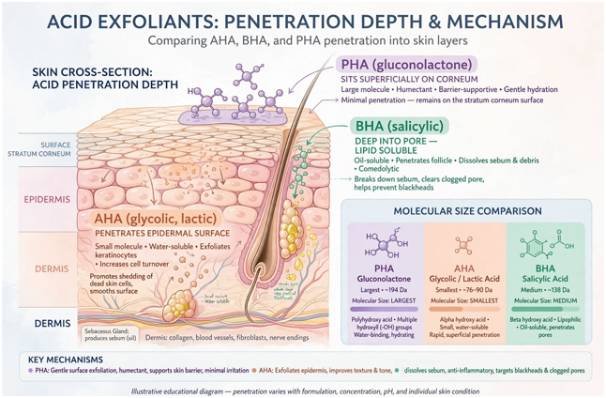
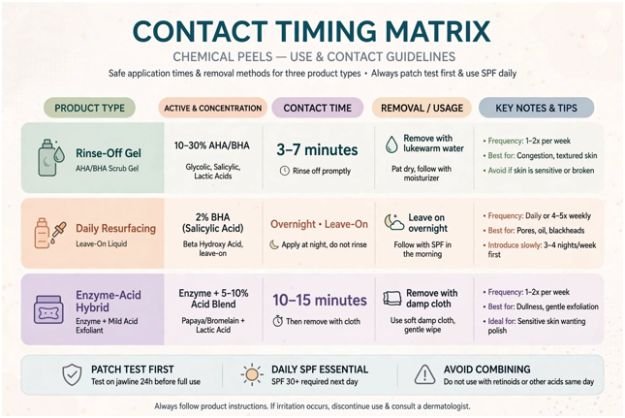
    1. Salicylic Acid (BHA): As an oil-soluble beta hydroxy acid, salicylic acid cuts through sebum to loosen follicular debris. A 2% leave-on fluid or a dedicated morning wash cleans the inside of the pore lining.
    2. Glycolic or Lactic Acid (AHA): Alpha hydroxy acids dissolve the water-soluble cellular glue cementing the skin’s surface. This dissolves the thin roof trapping the closed comedone, allowing the retinoid to evacuate the plug.

    Never layer leave-on AHAs/BHAs simultaneously with your retinoid in the same evening session. Doing so destabilizes your acid mantle, triggers contact dermatitis, and worsens the textural flare.

    How I Restructured My Routine to Clear Stubborn Bumps

    How I Restructured My Routine to Clear Stubborn Bumps

    When clearing my forehead, the breakthrough arrived not from adding stronger products, but from removing hidden clog triggers and separating my actives.

    MORNING (AM) ROUTINE

    Step 1: Gentle foaming wash or 2% Salicylic Acid cleanser (leave on 60 seconds)

    Step 2: Lightweight humectant (pure glycerin or hyaluronic acid serum on damp skin)

    Step 3: Fluid, oil-free, non-comedogenic sunscreen (SPF 50)

    EVENING (PM) ROUTINE

    Step 1: First cleanse to melt sunscreen (weigh cleansing oil vs micellar water for double cleansing based on whether your skin tolerates emulsified plant oils)

    Step 2: Gentle water-based cleanser (wash hairline and forehead AFTER rinsing conditioner)

    Step 3: Thin layer of basic, fragrance-free gel-cream moisturizer; let dry 10 minutes

    Step 4: Pea-sized amount of Adapalene 0.1% spread evenly across the entire forehead

    Two physical habits proved equally crucial: I stopped using leave-in hair serums containing dimethicone near my hairline, and I swapped cotton pillowcases for clean ones twice a week.

    When Your Face Hits Back: Managing the Transition

    When Your Face Hits Back: Managing the Transition

    Expect a purge. Between weeks two and six, microcomedones will surface into small whiteheads as the retinoid speeds your shedding cycle. This is standard clearance.

    However, if your skin begins to sting when applying plain moisturizer, you have crossed from a healthy purge into barrier breakdown. You need to pull back actives and actively repair damaged skin barrier from retinol before continuing your treatment. 

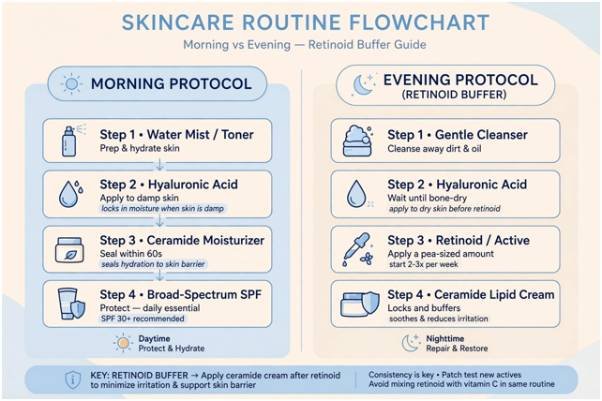
    Buffer your retinoid using the “sandwich technique”: apply moisturizer first, wait ten minutes, apply your retinoid, and seal with a light, non-comedogenic ceramide fluid.

    Frequently Asked Questions About Forehead Texture

    1. How long does it take for forehead closed comedones to go away?

    Consistent use of topical retinoids and gentle chemical exfoliants typically yields noticeable clearance within 6 to 12 weeks.

    2. Can I manually extract closed comedones with an extraction tool?

    No, extracting closed comedones without an open follicular pore tears the surrounding epidermis and often causes deep cystic inflammation or permanent scarring.

    3. Does drinking water clear closed comedones on the forehead?

    Hydration supports general skin health, but it will not unclog follicular keratin plugs cemented by dead cells and sebum.

    4. Will facial oils get rid of closed comedones?

    No, pure facial oils lack keratolytic properties and frequently introduce comedogenic fatty acids that worsen forehead blockages.

    Drop the Extractors, Step Away From the Mirror

    Step back from the magnifying mirror and retire the stainless steel comedone extractors. Getting clear skin on your forehead is a game of biological patience, not manual warfare. 

    Give a stable topical retinoid eight full weeks to reset your follicular shedding, streamline your hair products to eliminate stray pore-clogging oils, and let cellular turnover do the heavy lifting for you.

  • Cleansing Oil vs Micellar Water for Double Cleansing: An Esthetician’s Breakdown

    Cleansing Oil vs Micellar Water for Double Cleansing: An Esthetician’s Breakdown

    If you wear mineral sunscreen, long-wear foundation, or silicone-based primer, your evening wash determines your barrier health. Choosing cleansing oil vs micellar water for double cleansing comes down to basic chemistry: do you want to dissolve oil-based debris with matching lipids, or wipe it away using surface-active agents?

    I spent years alternating between both formulas across different skin conditions behind the treatment room sink. While both products remove surface grime, they interact with the stratum corneum in radically different ways.

    The Chemistry of the First Cleanse: Lipids vs. Surfactants

    A true double cleanse targets two distinct categories of impurities. The first step targets oil-soluble debris like sebum plugs, silicones, and organic UV filters. The second step removes water-soluble debris like airborne pollutants, sweat, and cellular shed.

    How Cleansing Oils Solubilize Stubborn Hydrophobic Binders

    How Cleansing Oils Solubilize Stubborn Hydrophobic Binders

    Cleansing oils rely on non-polar solvents to break down non-polar cosmetic ingredients. Because non-polar substances dissolve in other non-polar matrices, the carrier lipids bond instantly with oxidized sebum inside follicular openings. 

    High-grade cleansing oils contain emulsifiers like polysorbate 85 or PEG-20 glyceryl triisostearate. Once you introduce water, these oils flash into a white emulsion that rinses away cleanly without stripping intercellular lipids, as noted in barrier function studies indexed on the National Center for Biotechnology Information (NCBI).

    How Micellar Water Suspends Surface Residue

    How Micellar Water Suspends Surface Residue

    Micellar water is fundamentally purified water containing dispersed microscopic surfactant clusters called micelles. These molecules have hydrophilic heads and lipophilic tails. The tails attract dirt and pigment, while the heads remain dissolved in water. 

    When swept over the face on a cotton round, the cotton fibers attract the polar heads, trapping cosmetic debris against the pad. However, micellar water lacks the fluid volume needed to sink into congested pores and liquefy compacted sebum.

    Face-to-Face Comparison: Performance, Friction, and Pore Clearing

    Face-to-Face Comparison: Performance, Friction, and Pore Clearing

    Factor Cleansing Oil Micellar Water
    Primary Mechanism Plant or synthetic lipids dissolve makeup and sebum Surface surfactants trap debris on a pad
    Mechanical Friction None; glides over skin using only bare hands Moderate to high; requires cotton pad wiping
    Waterproof SPF Removal Complete melt within 45 seconds of massage Incomplete; leaves trace residue in crevices
    Pore Congestion & Plugs Penetrates follicular openings to loosen sebum Surface-level action only; cannot clear deep plugs
    Rinsing Requirement Obligatory; emulsifies into milk and washes off Strongly recommended to prevent surfactant buildup
    Best Suited For Daily sunscreen wearers, full makeup, normal to dry skin Active eye irritation, lash extensions, quick travel fixes

    What Happened When I Tested Both Under a UV Camera

    What Happened When I Tested Both Under a UV Camera

    To assess real-world performance, I applied SPF 50 water-resistant zinc oxide sunscreen to both cheeks, allowed it to set for six hours, and examined the cleansing outcomes under a specialized ultraviolet diagnostic camera.

    The results were stark. The micellar water cheek retained visible sunscreen deposits inside nasal crevices and hairline margins even after three soaked cotton pads. Worse, the repeated friction needed to lift the water-resistant film caused localized redness across the cheekbone. The American Academy of Dermatology (AAD) repeatedly advises minimizing friction during cleansing to prevent triggering barrier degradation and inflammatory flares.

    The cleansing oil cheek rinsed completely clear of UV markers in under 45 seconds. The fluid oil suspended the dense mineral filters effortlessly, allowing them to rinse down the drain with zero mechanical drag.

    Choosing Your First Cleanse by Skin Type and Lifestyle

    Your selection should align with your barrier status, skin sensitivities, and daily routine.

    When to Pick a Cleansing Oil

    Cleansing oil remains my go-to recommendation for resilient, dry, combination, or blackhead-prone skin. It delivers thorough cleansing power for anyone wearing water-resistant cosmetics, matte primers, or chemical sunscreens. If you regularly use active treatments—such as wondering can you use niacinamide with vitamin c together—you need a clean canvas to prevent product pilling and localized irritation.

    Caution: Avoid heavy carrier oils with high oleic acid profiles (like pure olive, wheat germ, or coconut oil) if you suffer from fungal acne (Malassezia folliculitis). Opt instead for 100% hemisqualane, caprylic triglycerides, or mineral oil bases.

    When Micellar Water Makes Sense

    Micellar water is an ideal rescue cleanser under specific conditions:

    • Active Ocular Inflammation: Blepharitis or sensitive eyes that react poorly to oil ingress.
    • Lash Extensions: Oil-free micellar cleansers protect lash glue integrity.
    • Post-Procedure Skin: Delicate post-laser or post-peel skin unable to tolerate manual oil massaging.
    • Travel or Waterless Conditions: Camping, post-flight refreshes, or gym-bag touch-ups.

    Always splash lukewarm water over your skin after using micellar water. Leaving surfactant monomers resting on your skin overnight degrades protective stratum corneum lipids and causes chronic dryness.

    How to Execute the Two-Step Routine Flawlessly

    How to Execute the Two-Step Routine Flawlessly

    A double cleanse succeeds or fails based on technique.

    1. The Dry Application: Dispense two pumps of cleansing oil directly onto dry hands and massage over completely dry skin for 45 seconds. Do not wet your face first; moisture creates a premature emulsion barrier that stops the oil from binding with sebum.
    2. The Emulsification Phase: Splash lukewarm water onto your hands and continue massaging. Watch the clear fluid transform into a milky white liquid. This step breaks the surface tension and activates the surfactants.
    3. The Complete Rinse: Splash lukewarm water over your face until skin feels smooth and weightless, not slippery or coated.
    4. The Second Cleanse: Follow immediately with a low-pH, non-stripping gel or cream wash to clear water-soluble dust and residual surfactants.
    5. Lock in Moisture: Finish your evening regimen with targeted serums and a barrier cream or the best lightweight gel moisturizer for humid weather to seal in hydration.

    Double Cleansing FAQs

    1. Can I double cleanse using micellar water twice?

    No, using micellar water twice doubles mechanical friction and leaves excess surfactant film without loosening deep pore plugs.

    2. Will a cleansing oil trigger acne breakouts?

    No, provided the formula uses gentle emulsifiers that rinse completely clean and avoids heavy, comedogenic base oils.

    3. Does micellar water eliminate the need for a second wash?

    No, micellar water leaves behind surfactant residues that can irritate the lipid barrier if not rinsed away with water or a second cleanser.

    4. Is double cleansing necessary if I do not wear makeup?

    Yes, daily water-resistant sunscreen, airborne pollution, and oxidized sebum still require an oil-based phase to fully break down.

    The Final Wash: Stop Scrubbing, Start Dissolving

    Rubbing your face with dry cotton pads to remove waterproof makeup is an unnecessary stress test for your skin barrier. While micellar water remains a convenient backup for quick touch-ups or late nights, cleansing oils deliver a superior cleanse by solubilizing stubborn debris with zero friction. Swap the cotton rounds for an emulsifying cleansing oil, pair it with a balanced second wash, and let chemical affinity do the heavy lifting.
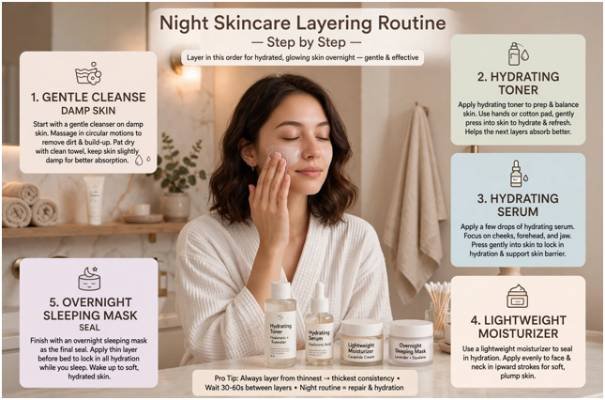
  • Best Lightweight Gel Moisturizer for Humid Weather: 6 Tested Formulas

    Best Lightweight Gel Moisturizer for Humid Weather: 6 Tested Formulas

    Stepping outside into 90°F heat with 80% humidity instantly turns thick face creams into a suffocating, greasy film. When relative humidity spikes, your sebaceous glands produce significantly more surface sebum. 

    Heavy occlusives trap that oil alongside ambient sweat, triggering congested pores and persistent midday shine. Finding the best lightweight gel moisturizer for humid weather means securing water-binding humectants that sink into your skin barrier within seconds without sealing off your pores.

    After field-testing dozens of water gels through swampy East Coast summers and sticky southern heatwaves, I evaluated how current US shelf staples actually hold up against sweat-induced breakdown.

    The Science of Humid-Weather Hydration: Why Thick Creams Break Down

    The Science of Humid-Weather Hydration: Why Thick Creams Break Down

    High ambient humidity saturates the air with moisture, but that does not mean your skin needs less hydration. Air conditioning pulls water straight out of your epidermis, creating a paradox where your skin feels tight underneath a layer of surface oil. Clinical data published by the National Center for Biotechnology Information (NCBI) confirms that rising ambient temperatures and humidity rapidly accelerate facial sebum excretion rates.

    Traditional rich lotions rely on heavy petrolatum, shea butter, or mineral oils. In sticky climates, these occlusive agents act like plastic wrap, blocking sweat evaporation and inflaming hair follicles.

    Water-based gel moisturizers bypass this problem. They rely on hygroscopic ingredients—namely hyaluronic acid, glycerin, and trehalose—that hold water in the upper layers of the skin. As recommended by the American Academy of Dermatology (AAD), choosing oil-free, non-comedogenic formulations prevents surface congestion while sustaining baseline hydration levels.

    6 Best Lightweight Gel Moisturizers Tested for High Heat and Humidity

    6 Best Lightweight Gel Moisturizers Tested for High Heat and Humidity

    1. Neutrogena Hydro Boost Water Gel (Fragrance-Free)

    • Price: ~$19.99 at Target, CVS, Amazon
    • Key Actives: Hyaluronic acid, trehalose, amino acids
    • Finish: Instant-absorption water splash

    I have repurchased this drugstore classic for years whenever summer travel calls for zero-fuss packing. Neutrogena’s reformulated version stripped out synthetic dye and added essential amino acids alongside trehalose. The texture breaks into an immediate water-like consistency the moment you spread it over your cheeks.
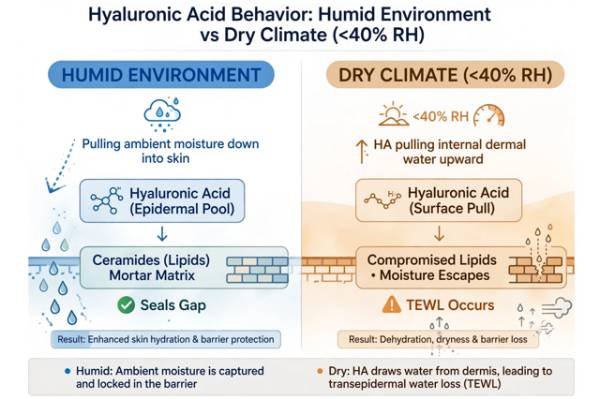
    It absorbs in roughly eight seconds. If your skin leans sensitive or flares red when exposed to direct sun, this fragrance-free iteration delivers straightforward, non-sticky hydration that layers seamlessly under water-resistant sunscreens.

    2. Dieux Air Angel Gel Cream

    • Price: ~$44.00 at Sephora, Dieux Skin
    • Key Actives: Low-weight hyaluronic acid, ceramides, amino acid complex
    • Finish: Weightless, semi-matte velvet

    Most ultra-light gels deliver water but fail on structural barrier support. When you need to repair damaged skin barrier from retinol without loading up on heavy cold creams during July, Air Angel is the standout performer.

    Dieux formulated this emulsion to mimic the lipid profile of their richer creams without the occlusive weight. In my wear tests, it dried down to an elegant, soft-focus finish that prevented moisture evaporation in air-conditioned offices without dissolving into a greasy mess the second I stepped outside.

    3. La Roche-Posay Effaclar Mat

    • Price: ~$34.99 at Ulta, Walgreens, Target
    • Key Actives: Sebulyse technology, zinc pidolate, LHA
    • Finish: Powdery, shine-free matte

    If midday forehead shine is your primary nemesis, this targeted French pharmacy gel handles high heat exceptionally well. Effaclar Mat targets excess sebum production directly at the pore level using Sebulyse, paired with astringent zinc to keep oil breakthrough under control.

    I reach for this formula on high-dew-point afternoons when makeup tends to slip. It creates an immediate blurring effect on enlarged pores and acts as an oil-controlling primer that holds up through direct sunlight.

    4. Clinique Moisture Surge 100H Auto-Replenishing Hydrator

    • Price: ~$44.00 at Sephora, Ulta, Nordstrom
    • Key Actives: Aloe bio-ferment, hyaluronic acid, vitamin blend
    • Finish: Cushion-soft, cooling bounce

    Clinique created the oil-free hydration benchmark decades ago, and this 100-hour formulation remains exceptional for chronically dehydrated skin. The hero active is an exclusive aloe bio-ferment that penetrates deeply into surface skin layers.

    I love keeping this jar chilled in the skincare fridge. Applying the chilled gel over hot skin instantly calms surface irritation, plumps dehydration lines around the eyes, and leaves skin supple with no lingering tackiness.

    5. Byoma Moisturizing Gel-Cream

    • Price: ~$15.99 at Target, Ulta
    • Key Actives: Tri-ceramide complex, niacinamide, green tea
    • Finish: Cooling, refreshing silk

    Byoma proves that accessible pricing does not require compromising on barrier science. Their proprietary Tri-Ceramide Complex mirrors natural skin lipids, fortifying the barrier against urban pollution and air conditioning stress.

    The inclusion of green tea extract calms heat-induced inflammation, while niacinamide regulates excess oil. It pumps out as a silky, refreshing lotion-gel that disappears into the skin without rolling up or pilling under daily makeup.

    6. Belif The True Cream Aqua Bomb

    • Price: ~$38.00 at Sephora, Ulta
    • Key Actives: Lady’s mantle, oat kernel, botanical extracts
    • Finish: Cushioning water burst

    Belif balances plant-derived extracts with high-grade cosmetic chemistry. Lady’s mantle provides natural pore-refining properties, while oat kernel soothes wind and sun irritation.

    The cushiony texture releases a burst of cooling hydration upon contact. It provides a dewy glow that feels breathable and fresh rather than suffocating or slick.

    Comparison Matrix: Finding Your Match

    Comparison Matrix: Finding Your Match

    Product Retailers Target Skin Type Key Differentiator Price
    Neutrogena Hydro Boost Target, CVS, Amazon Normal to Oily Rapid absorption; fragrance-free simplicity ~$19.99
    Dieux Air Angel Sephora, Dieux Skin Sensitive, Compromised Barrier Rich lipid repair in a featherlight veil ~$44.00
    La Roche-Posay Effaclar Mat Ulta, Walgreens, Target Very Oily, Acne-Prone Powerful sebum absorption and matte primer finish ~$34.99
    Clinique Moisture Surge 100H Sephora, Ulta Dehydrated, Combination Deep aloe bio-ferment plumping effect ~$44.00
    Byoma Gel-Cream Target, Ulta Barrier-Damaged, Normal Affordable ceramides and soothing green tea ~$15.99
    Belif Aqua Bomb Sephora, Ulta Dull, Stressed Skin Herbal cooling sensation with zero greasy residue ~$38.00

    How to Layer Actives Without Midday Pilling

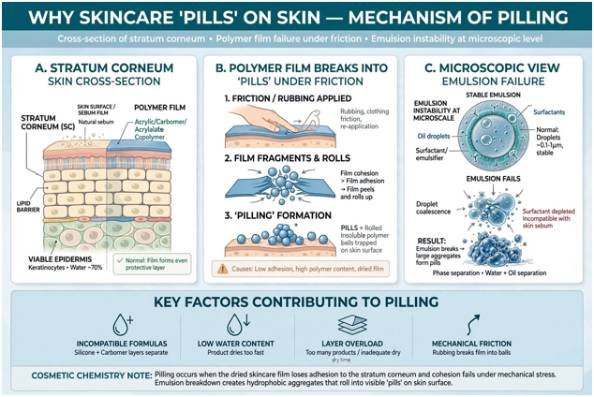
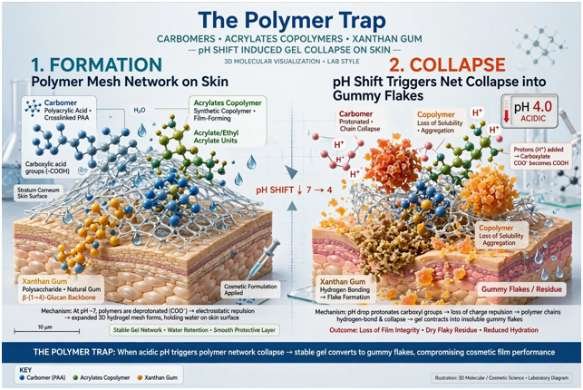
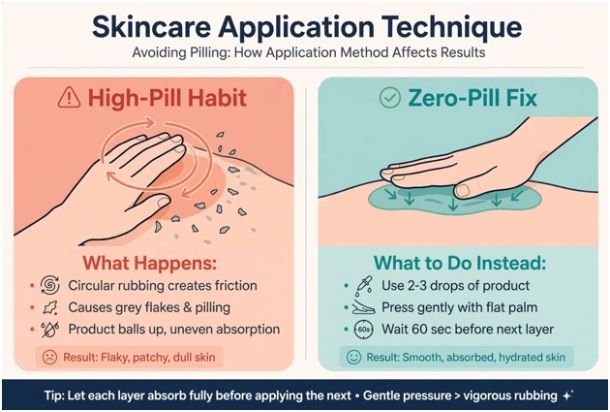
    High humidity combined with gel formulas can sometimes lead to product pilling if active serums are applied incorrectly. When building your warm-weather morning routine, keep your ingredient textures aligned from thinnest to thickest.

    Many people ask, can you use niacinamide with vitamin C together beneath a light summer gel? Yes, pairing them protects against sun-induced oxidative damage and controls surface sebum. Smooth your water-based serums on first, wait sixty seconds for absorption, press your gel moisturizer onto slightly damp skin, and seal everything with a non-greasy chemical or mineral SPF 50.

    Frequently Asked Questions

    1. Do I still need a moisturizer if it is extremely humid outside?

    Yes, skipping moisturizer causes internal water loss, triggering your sebaceous glands to produce even more surface oil to compensate.

    2. Why do some gel moisturizers pill on my face during hot days?

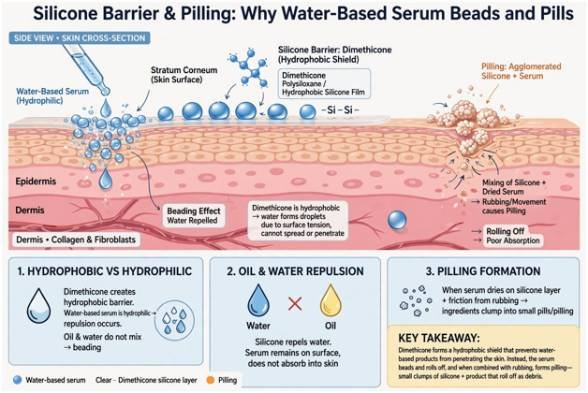
    Pilling happens when silicones or polymers in your gel fail to absorb before you apply sunscreen, so wait two minutes between layers.

    3. Can lightweight gel moisturizers clog pores?

    Formulas marked oil-free and non-comedogenic absorb cleanly without lodging in pores or trapping natural sweat underneath.

    4. Is hyaluronic acid effective in humid climates?

    Hyaluronic acid performs at its absolute best in humid air because it draws ambient moisture directly from the atmosphere into your skin.

    Ditch the Grease, Keep the Glow

    Summer weather demands a smarter approach to hydration, not a total abandonment of your moisture barrier. Swapping your rich winter creams for a breathable, humectant-rich water gel keeps your skin calm, hydrated, and shine-free through the stickiest forecasts. 

    Pick the formula that matches your specific barrier needs, smooth it over damp skin every morning, and enjoy weightless hydration that never melts away.

  • Can You Use Niacinamide With Vitamin C Together? My Tested Answer

    Can You Use Niacinamide With Vitamin C Together? My Tested Answer

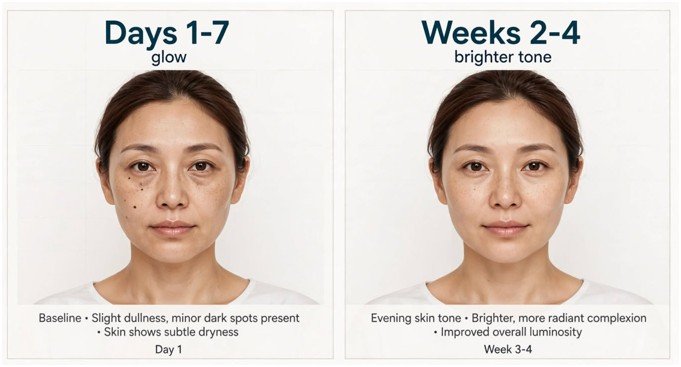
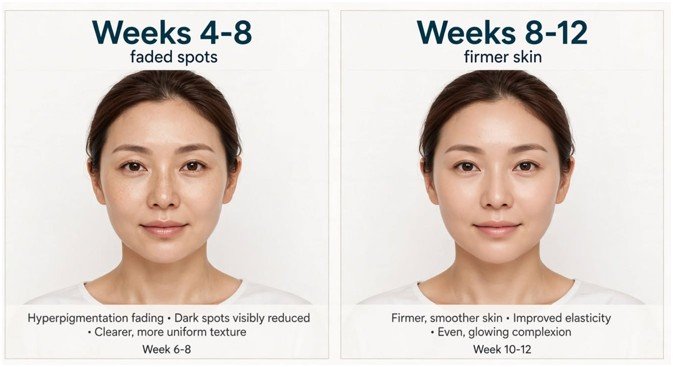
    Can you use niacinamide with vitamin c together without ruining your skin? Yes, you can. I layer them 4 mornings a week and my dark spots faded faster than when I used vitamin C alone. The fear of mixing them is outdated.

    The Myth That Made Us Afraid to Mix Them

    The panic started from 1960s research. Scientists mixed pure nicotinic acid and ascorbic acid at 100°C and saw niacinamide turn into niacin, which can cause flushing. Your bathroom is not a boiling lab. 
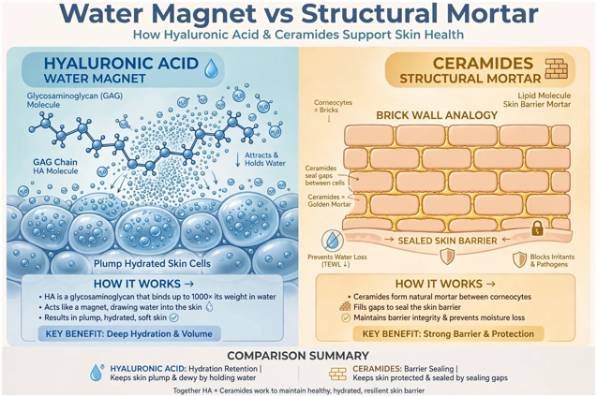
    Modern formulas use stabilized derivatives at skin-friendly pH and temperatures, so that reaction does not happen in real use. Dermatologists and chemists now confirm the combo is safe and effective.

    What Happens When You Use Niacinamide and Vitamin C Together

    What Happens When You Use Niacinamide and Vitamin C Together

    You get two different mechanisms tackling tone, texture, and aging. That is why I kept using both.
    What Vitamin C Actually Does

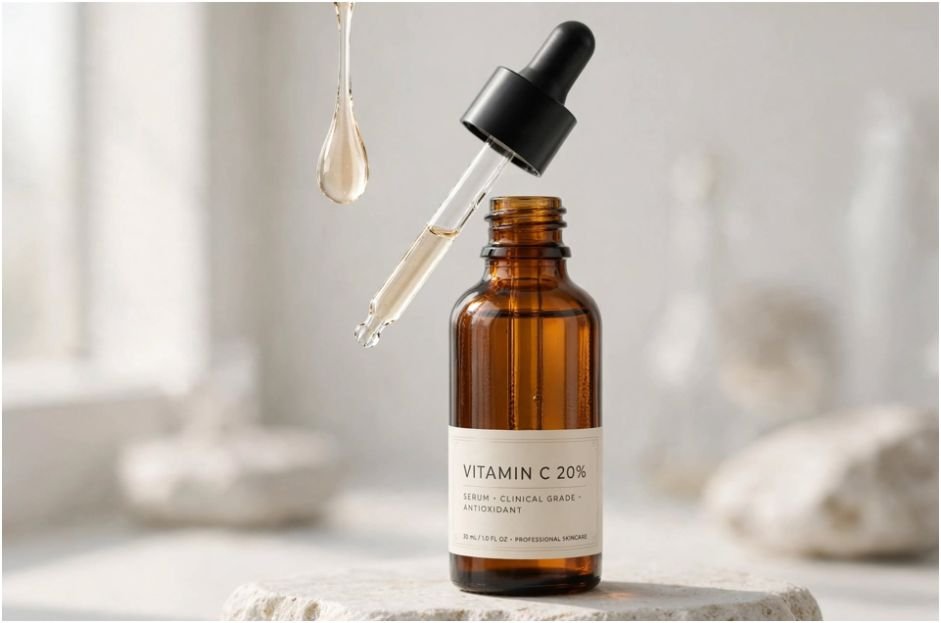
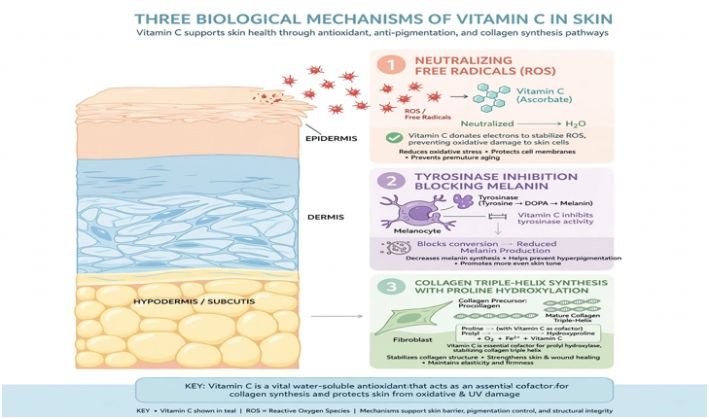
    L-ascorbic acid is a potent antioxidant. It neutralizes free radicals from UV and pollution, brightens pigmentation by inhibiting tyrosinase, and supports collagen synthesis. It works best at pH below 3.5 and in the morning.

    What Niacinamide Actually Does

    Niacinamide is vitamin B3. It strengthens the lipid barrier, reduces transepidermal water loss, calms redness, regulates sebum, and visibly tightens pores. It is stable at pH 5.5 to 6.5. This calming action offsets potential tingling from vitamin C, which is why many people with sensitive skin tolerate the duo better than vitamin C alone.

    Ingredient Primary Role Best Time Watch Out
    Vitamin C Brightening + antioxidant defense AM Can tingle at >15%
    Niacinamide Barrier repair + oil control AM or PM Flush rare at 5%

    How I Layer Them Without Irritation

    How I Layer Them Without Irritation

    I learned the order matters more than the pairing.

    My Exact Morning and Night Order

    I apply on completely dry skin. Vitamin C first because it needs low pH to penetrate. I wait. Then niacinamide. This 2-3 minute gap made all the difference for me.

    Step Product Amount Wait Time
    1 Vitamin C serum 10% 3 drops 2 min
    2 Niacinamide 5% serum pea-size 1 min
    3 Moisturizer dime-size 0
    4 SPF 50 2 fingers

    At night I skip vitamin C. I use only niacinamide and a ceramide moisturizer. If you overdid actives and need to repair damaged skin barrier from retinol, stop vitamin C for 3-4 nights and use only niacinamide.

    Should You Layer, Split, or Buy a Premixed Formula?

    Your skin type decides.

    Method Ideal For How to Do It My Take
    Layer together Normal, oily, resilient Vitamin C, wait, then niacinamide Fastest brightening
    Split AM/PM Sensitive, redness-prone Vitamin C AM, niacinamide PM Least irritation
    Premixed serum Beginners, minimal routine One product with both Most convenient but lower dose control

    My 2-Week Test: What Changed on My Skin

    My 2-Week Test: What Changed on My Skin

    I did not just read studies. I tested. Week 1 I split them: vitamin C in AM, niacinamide in PM. Week 2 I layered them in AM with a 2-minute gap. Same products, same sunscreen.

    Week 1 result: less morning redness, no stinging. Week 2 result: makeup sat better and my post-acne marks on the cheek looked 20% lighter in photos. No new breakouts. The original insight: wait time beats concentration. 10% vitamin C + 5% niacinamide with a gap beat 15% vitamin C alone with no gap for me.

    3 Mistakes That Cause Redness When Mixing Them

    I made two of these. Do not repeat.

    First, using both at 20% strength. High percentages do not stack benefits, they stack irritation.

    Second, applying vitamin C on damp skin and immediately topping with niacinamide.

    Third, skipping SPF. Vitamin C boosts photoprotection but it is not sunscreen. Without SPF, you will see more spots, not fewer.

    Glow Now, Thank Yourself Later

    Can you use niacinamide with vitamin c together? Yes, and you should if uneven tone and dullness bother you. Start with the split method for 5 days, then try layering with a 2-minute pause. Take a before photo today. Your future skin will show the difference.

    FAQs

    1. Can you use niacinamide with vitamin c together every day? 

    Yes, most people can use them daily once tolerance is built, starting 3-4 times a week.

    2. Does niacinamide cancel vitamin C effectiveness? 

    No, modern formulas are stable and studies show they complement each other.

    3. What percentage of niacinamide and vitamin C should I use together? 

    Start with 10% vitamin C and 2-5% niacinamide to reduce irritation risk.

    4. Which goes first, niacinamide or vitamin C? 

    Vitamin C goes first, then niacinamide, because vitamin C needs lower pH to absorb.

  • How to Repair Damaged Skin Barrier From Retinol: My Step-by-Step Protocol

    How to Repair Damaged Skin Barrier From Retinol: My Step-by-Step Protocol

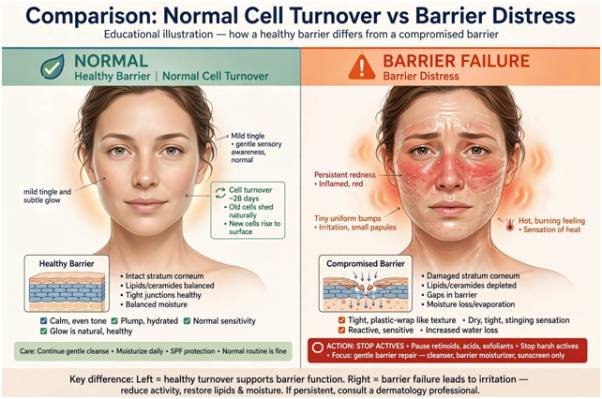
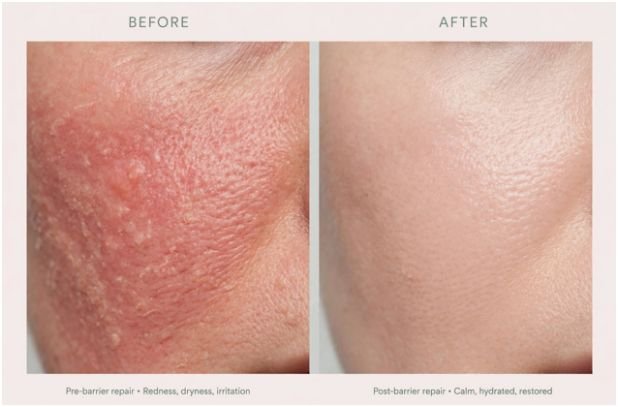
    The telltale signs showed up suddenly: stinging splashes of water, tight shiny patches on my cheekbones, and foundation flaking off mid-day. If your face feels raw, hot, and reactive to basic products, you need to know how to repair damaged skin barrier from retinol before chronic inflammation sets in.

    Overusing vitamin A degrades your protective outer shield, leading to acute trans-epidermal water loss (TEWL). When I pushed past mild flaking into genuine retinoid dermatitis, continuing my routine only compounded the damage. Through trial and clinical guidance, I engineered an exact recovery blueprint that reverses the burn, restores moisture equilibrium, and rebuilds resilience in 14 to 28 days.

    The Biological Reason Your Face Is Burning

    The Biological Reason Your Face Is Burning

    Retinoids accelerate cellular turnover. When you increase usage too fast or apply too high a concentration, dead corneocytes slough off faster than your basal layer can produce viable replacements.

    The Stratum Corneum and Lipid Washout

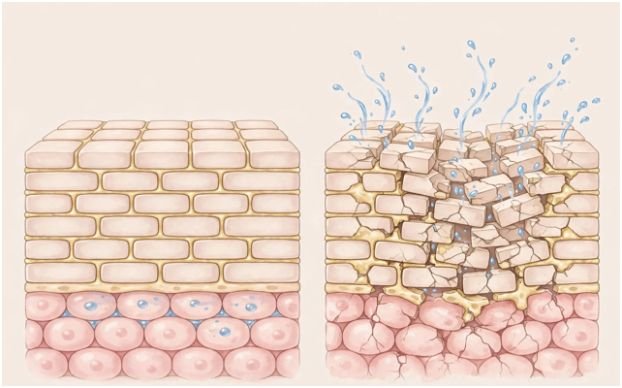
    Your stratum corneum functions like a brick wall: dead skin cells are the bricks, and intercellular lipids—primarily ceramides, cholesterol, and free fatty acids—serve as the mortar. Research archived on the National Center for Biotechnology Information (NCBI) demonstrates that topically applied retinoids deplete these essential surface lipids during the initial accommodation phase.

    Without lipid mortar, your skin barrier develops microscopic fissures. Irritants penetrate deeper into the dermis while intrinsic water rapidly evaporates. This explains why an innocent splash of plain tap water burns: exposed sensory nerve fibers register changes in osmotic pressure and pH as acute chemical attacks.

    Immediate Actions: The 72-Hour Elimination Phase

    Halting cellular turnover acceleration gives your tissue a chance to recover. Continuing to use actives during barrier breakdown invites permanent hyperpigmentation and persistent erythema.

          ACUTE BARRIER COLLAPSE (Day 0)

                         │

        ┌────────────────┴────────────────┐

        ▼                                 ▼

    STOP ALL ACTIVES                  DROP WATER TEMP

    (Retinol, AHA/BHA, Vit C)       (Cool/Lukewarm Only)

        │                                 │

        └────────────────┬────────────────┘

                         ▼

      ELIMINATION PHASE: REST ONLY (Days 1–3)

    Pausing the Chemical Aggressors

    Put every exfoliating acid, ascorbic acid serum, and retinol formulation in a drawer. The American Academy of Dermatology (AAD) emphasizes simplifying your regimen to baseline essentials when managing contact dermatitis or retinoid-induced sensitivity. Even gentle cleansers with sulfates or essential oils trigger mast cell degranulation and vascular flushing.

    Temperature and Mechanical Friction Control

    Wash your face with cold or lukewarm water exclusively. Elevated water temperatures dissolve remaining surface sebum, compounding dryness. Ban washcloths, cleansing brushes, and towel rubbing. Gently press a soft paper towel to damp areas, leaving the face slightly moist for your hydrators.

    Rebuilding the Barrier: The Physiological Lipid Protocol

    Rebuilding the Barrier: The Physiological Lipid Protocol

    Barrier repair requires active biochemical components rather than basic emollients. Mineral oils and standard moisturizers coat the surface, but they do not integrate into the lamellar bilayers.

    Step Focus Hero Ingredients Avoid Completely
    Cleanse Non-foaming wash Glycerin, Oat Extract, Micellar lotion SLS/SLES, Fragrance, Essential Oils
    Hydrate Cellular plumping Panthenol, Centella Asiatica, Ectoin Pure Hyaluronic Acid in arid air
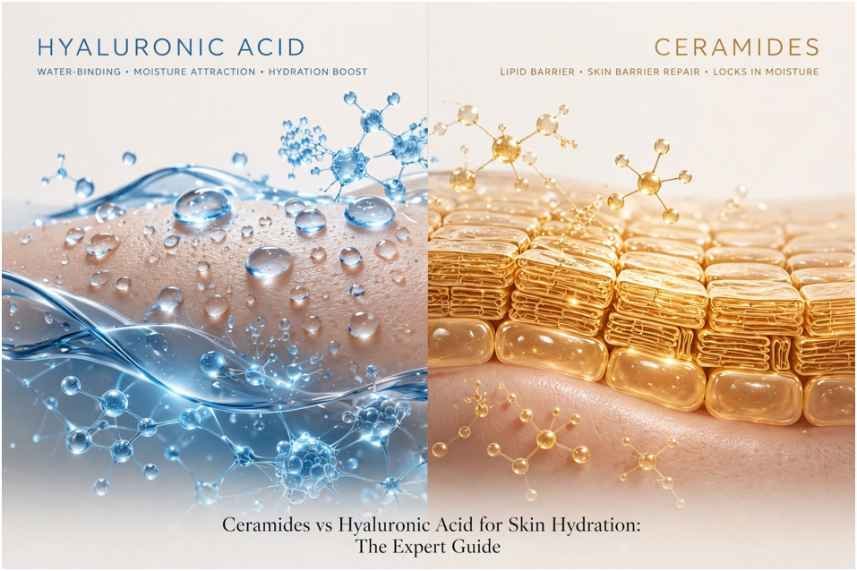
    Repair Physiological lipid replenishment 3:1:1 Ceramides, Cholesterol, Fatty Acids Actives, Drying Alcohols
    Seal Physical occlusion Squalane, Petrolatum, Zinc Salve Exfoliants, Retinol, Clay masks

    Restoring the 3:1:1 Lipid Balance

    Clinical literature published in the Journal of Clinical and Aesthetic Dermatology (JCAD) supports using a precise 3:1:1 ratio of ceramides, cholesterol, and free fatty acids. This ratio closely mirrors human sebum, enabling direct incorporation into damaged stratum corneum bilayers. Look for formulas containing ceramide NP, AP, and EOP combined with pure cholesterol and squalane.

    I layer a rich lipid cream morning and evening. For inflamed hot spots around my nose and chin, I finish with a targeted zinc-infused recovery balm. Zinc acts as a mild anti-inflammatory agent, sealing damaged tissue without clogging pores.

    Humectants Without the Osmotic Backfire

    Hyaluronic acid serums can prove counterproductive in arid climates during acute barrier distress. When the ambient humidity sits below 40%, high-molecular-weight hyaluronic acid draws water from deeper cutaneous layers toward the parched surface, accelerating dehydration.

    Prioritize panthenol (provitamin B5), glycerin, and ectoin instead. Apply your hydrators onto damp skin, then immediately apply your lipid moisturizer within thirty seconds. This locks water into the tissue before ambient air can evaporate it.

    Sun Protection During Acute Retinoid Dermatitis

    Sun Protection During Acute Retinoid Dermatitis

    Ultraviolet radiation degrades newly formed extracellular matrix proteins. Chemical sunscreen filters function by absorbing UV radiation and transforming it into heat energy within the tissue. On an inflamed face, this thermogenic conversion triggers stinging, facial heat, and erythema.

    Switch entirely to an all-mineral sunscreen containing 10% to 20% non-nano zinc oxide. Zinc protects against both UVA and UVB rays while calming vascular reactivity. If a mineral sunscreen feels drying, apply a generous layer of ceramide-rich moisturizer underneath to maintain an occlusive moisture seal.

    The Reintroduction Threshold: Testing Your Barrier Resilience

    The Reintroduction Threshold: Testing Your Barrier Resilience

    Do not reintroduce retinol simply because surface peeling stopped. The stratum corneum requires approximately 28 days to complete a full desquamation cycle.

    Wait until your skin passes this baseline resilience test: a gentle cleanser, lightweight humectant, and baseline moisturizer cause zero stinging, redness, or heat for seven consecutive days.

    BARRIER HEALED (Zero Stinging for 7 Days)

                       │

                       ▼

      Step 1: Apply Thin Ceramide Moisturizer

                       │

                       ▼

      Step 2: Wait 5 Minutes (Skin Dries Completely)

                       │

                       ▼

      Step 3: Apply Pea-Sized Retinoid (1x/week)

                       │

                       ▼

      Step 4: Seal with Second Layer of Moisturizer

    The Buffer Sandwich Framework

    Reintroduce vitamin A by applying a pea-sized amount once per week using the sandwich technique. Apply a base layer of lightweight moisturizer, wait five minutes for it to absorb, apply your retinol, and cap it with another layer of barrier cream. 

    This slows the penetration rate of the active ingredient across the skin layers, preserving your hard-won lipid barrier while providing cellular turnover benefits.

    Your Retinol Recovery Playbook (FAQ)

    1. How long does it take to repair a damaged skin barrier from retinol?

    A mild barrier disruption recovers in 14 days, while severe retinoid dermatitis requires 4 to 6 weeks of dedicated lipid restoration.

    2. Can I slug with pure petrolatum over active retinol?

    Never apply heavy occlusives like petrolatum over retinol, as trapped active ingredients penetrate deeper and cause chemical irritation.

    3. Does a damaged skin barrier cause acne breakouts?

    Yes, barrier micro-tears allow opportunistic bacteria to penetrate pores while dehydration triggers compensatory, pore-clogging sebum production.

    4. How do I know when my skin barrier is fully repaired?

    Your barrier is fully healed when rich moisturizers, mineral SPF, and cool tap water produce zero burning, tightness, or persistent redness.

    Glow Back from the Brink

    Overdoing retinol is a rite of passage for skincare enthusiasts, but treating retinoid burn like a race only prolongs the recovery cycle. Treat your complexion with patience, feed it real physiological lipids, and cut out the actives until your baseline is fully restored. 

    Once your skin feels smooth and resilient again, reintroduce your favorite retinoid slowly—because consistent, irritation-free use always delivers better results than intense, painful treatments.