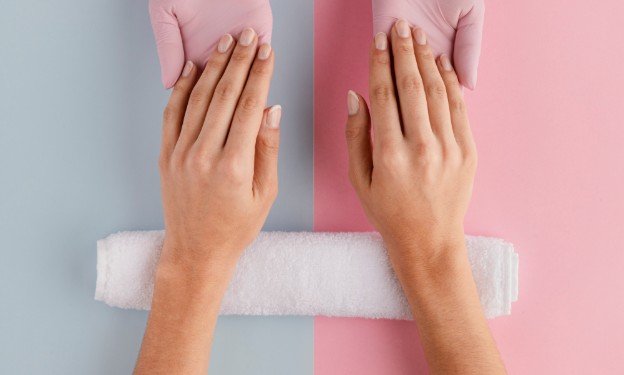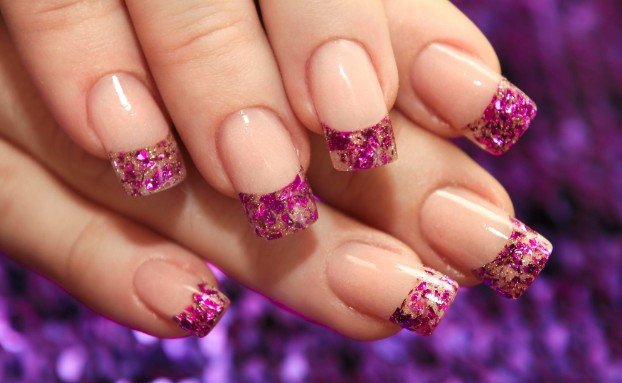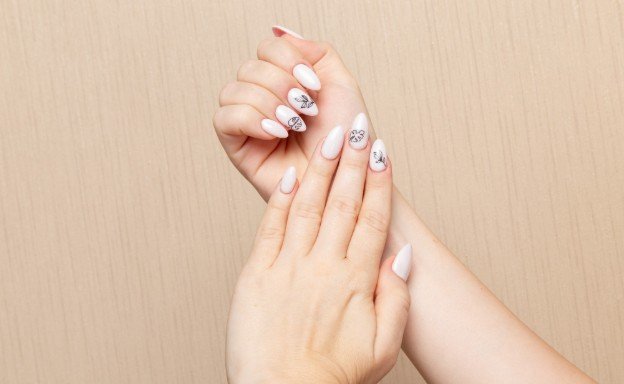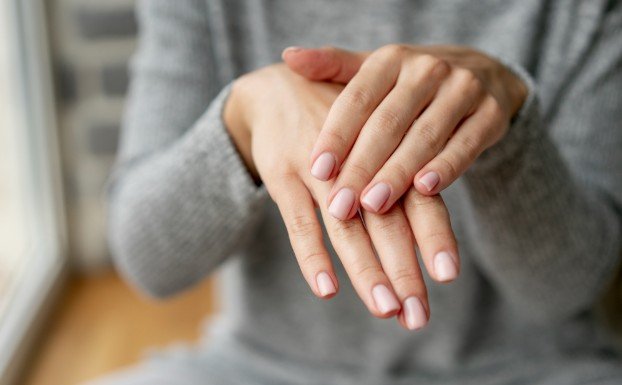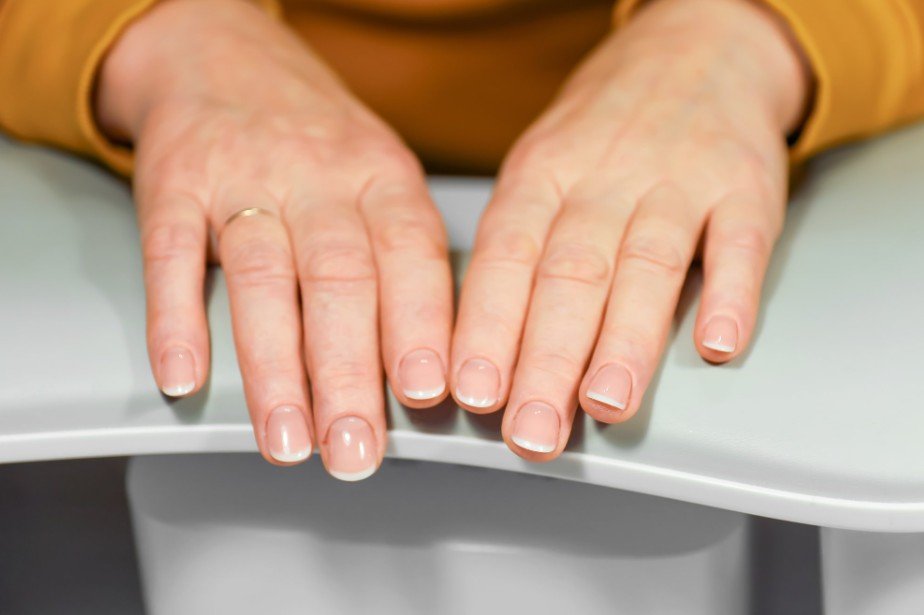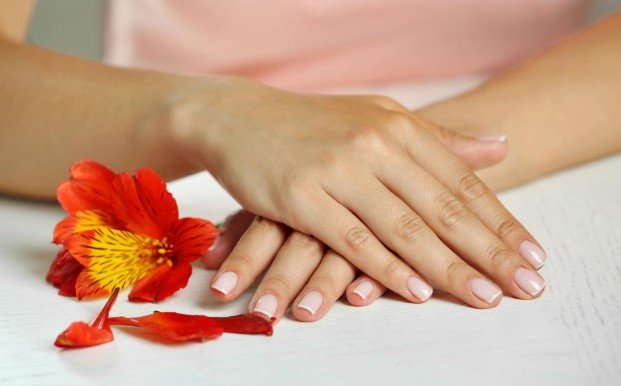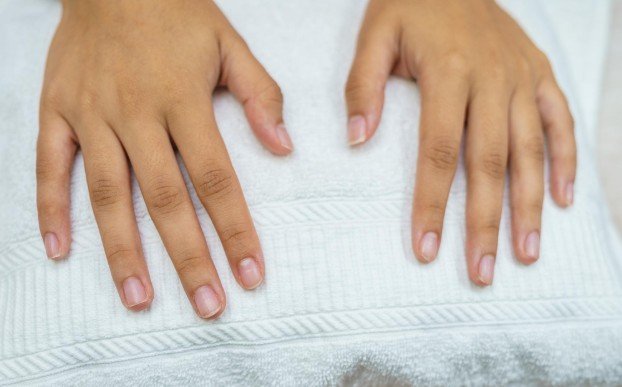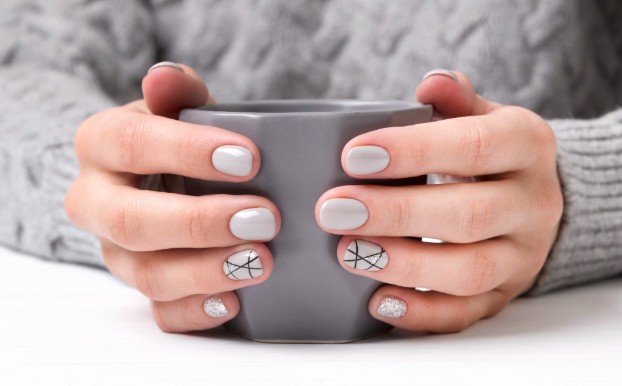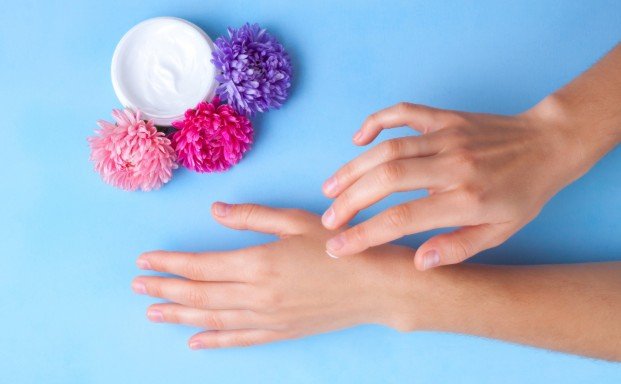
When my nails begin peeling or the skin around them feels rough, I know that applying oil once will not solve the underlying problem. I need a routine that adds moisture, seals it in, and protects my hands from whatever caused the dryness.
Learning how to moisturize nails and cuticles is not about buying the most expensive cuticle treatment. Consistent care after handwashing, before bed, and during exposure to water or cleaning products usually makes the greatest difference. The right routine can soften ragged skin, reduce hangnails, improve nail flexibility, and create a healthier-looking surface for polish.
Why Nails and Cuticles Become Dry
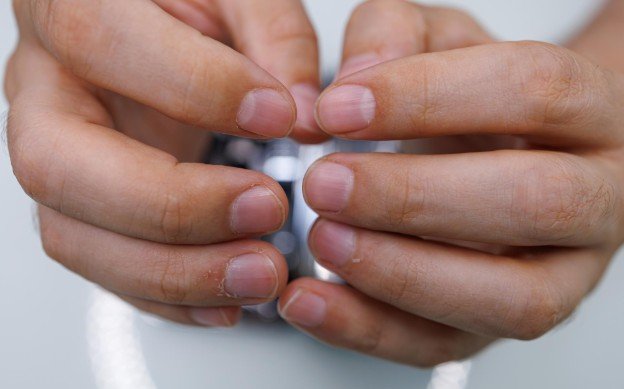
Fingernails are formed from layers of keratin. Although the visible nail plate is not living tissue, it can absorb and lose water. Repeated cycles of getting wet and drying out may cause those layers to separate, leaving nails brittle, weak, or prone to peeling.
The cuticle and surrounding nail folds are skin. They can become dry when natural oils are repeatedly removed. Frequent handwashing, alcohol-based sanitizer, dishwashing, cold weather, indoor heating, chlorine, cleaning chemicals, and nail-polish remover are common triggers.
Gel, acrylic, and dip manicures can also contribute to dryness, particularly when enhancements are peeled off or removed incorrectly. Nail biting, picking at loose skin, and cutting the cuticles create additional damage and may allow microorganisms to enter the skin.
Follow This Simple Moisturizing Routine
Wash With Lukewarm Water
Begin with clean hands, but avoid very hot water because it can remove protective oils. Use a mild cleanser and pat the hands dry. Leaving the skin slightly damp gives a moisturizing cream some water to hold onto.
Long soaking sessions are unnecessary. Nails expand when they absorb water and contract while drying. Repeating that cycle frequently can make already fragile nails more likely to split.
Apply Hand Cream Immediately
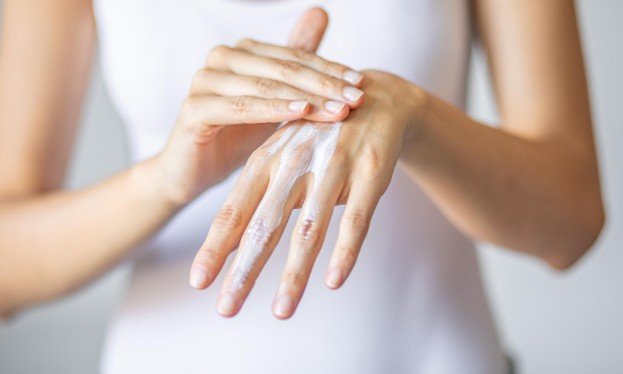
Massage a fragrance-free hand cream over the fingers while the skin remains slightly damp. Work it into the nail plates, cuticles, sidewalls, and skin beneath the free edges.
Look for ingredients such as glycerin, panthenol, ceramides, hyaluronic acid, or a low concentration of urea. These ingredients help attract or retain moisture and support the skin barrier. A lightweight cream may be more practical during the day because it absorbs quickly and is easier to reapply.
Add Cuticle Oil
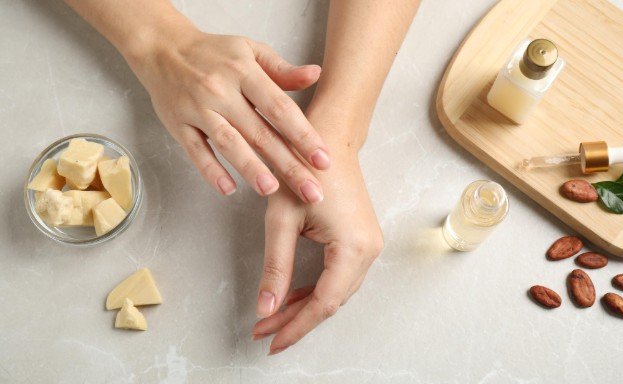
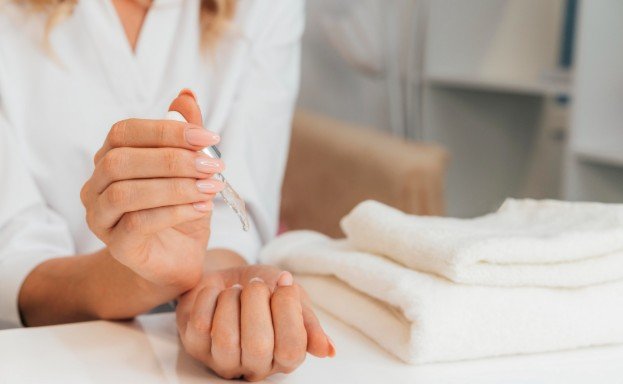
Place a small drop of oil around each nail and massage it into the cuticle line and sidewalls. This helps soften rough skin and keeps the nail area flexible. Jojoba, sunflower, grapeseed, sweet almond, and squalane are common options.
Cuticle oil can improve the appearance and condition of dry nails, but it should not be presented as a treatment that directly makes nails grow faster. Healthier, more flexible nails may break less often, allowing them to retain length more successfully.
Seal Severe Dryness at Night
If the skin is cracked or extremely dry, apply a thin layer of petroleum jelly or a rich, fragrance-free balm after using cream and oil. This final layer slows water loss while you sleep.
Cotton gloves can help keep the treatment in place, but they are optional. A small amount of ointment around each nail is often enough. People sensitive to lanolin, fragrance, or essential oils should select a simpler formula and patch-test unfamiliar products.
When Should You Moisturize?
Consistency matters more than completing an elaborate weekly manicure. Apply cream after washing whenever possible and use cuticle oil at least once daily. Bedtime is convenient because the product has more time to remain on the nails without being washed away.
If your work involves frequent handwashing, sanitizing, food preparation, healthcare, cleaning, or outdoor exposure, keep a small hand cream nearby. Reapplying a modest amount regularly is often more useful than applying a heavy treatment only after painful cracking develops.
A helpful approach to how to moisturize nails and cuticles is to connect treatment with habits you already have. Keep cream beside the sink, place oil near your computer, and store an ointment beside your bed.
Protect Moisture During Daily Activities
Wear cotton-lined waterproof gloves when washing dishes or handling household cleaners. Gloves limit prolonged exposure to water and chemicals, but remove them if sweat collects inside.
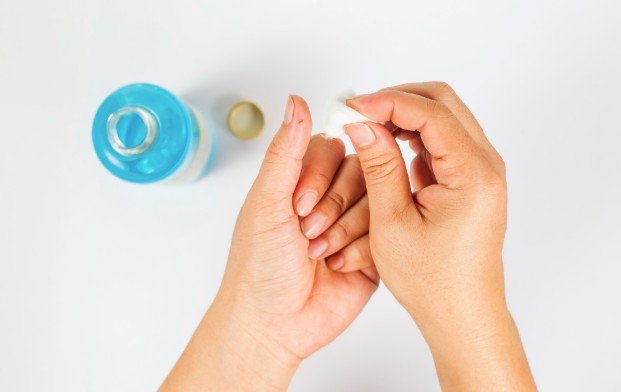
Choose non-acetone polish remover when suitable and limit how often remover is used. Never peel off gel polish or artificial enhancements because this can lift layers from the natural nail plate.
Do not bite, tear, or pull hangnails. Clip only the loose piece with clean, sharp nippers without cutting into living skin. Cuticles should not be aggressively cut because they help seal and protect the area where the nail grows.
When wearing gel, acrylic, or dip products, apply moisturizer around the cuticle line and sidewalls without forcing oil beneath lifted enhancement material. Any lifting should be professionally corrected or safely removed because trapped moisture may create additional problems.
Common Moisturizing Mistakes
Using cuticle oil without hand cream may not provide enough hydration for severely dry skin. Oil primarily softens and reduces moisture loss, while a well-formulated cream supplies water-binding ingredients. Using both can provide more complete care.
Applying too much product is another common problem. A greasy routine that interferes with everyday activities is unlikely to be maintained. Use small quantities and add more only where dryness remains.
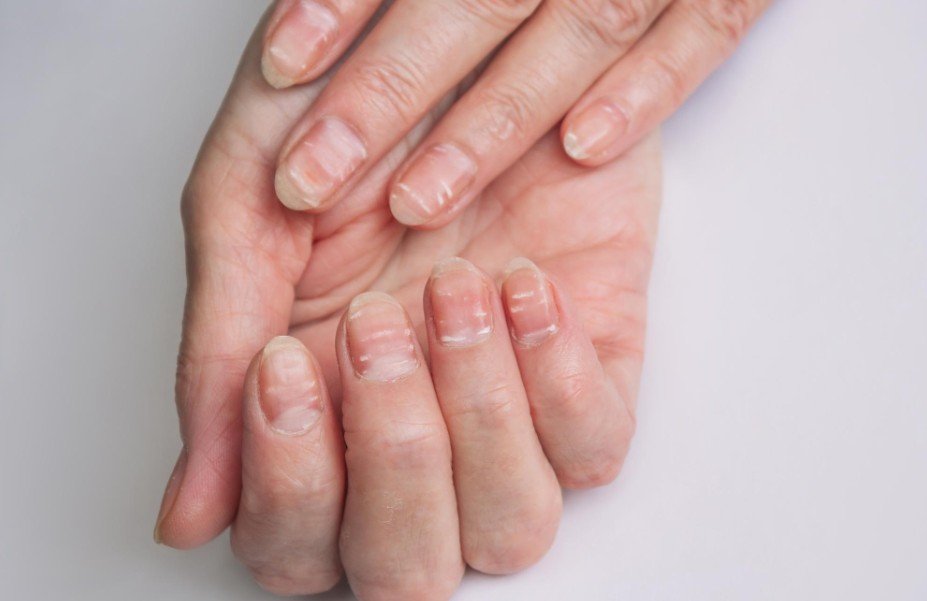
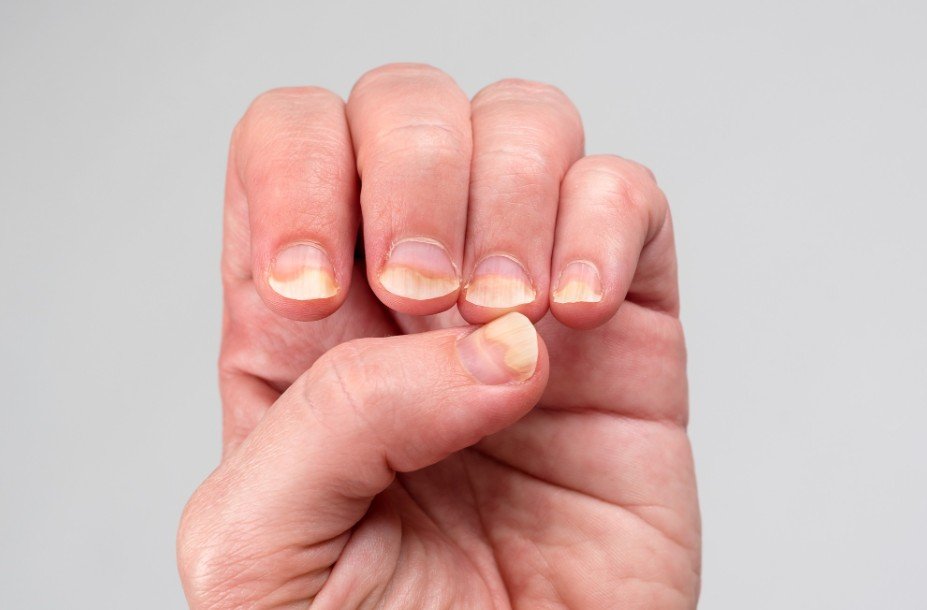
Avoid assuming every nail problem is caused by dehydration. Although home remedies for dry cuticles, such as regular moisturizing, may improve dryness, they cannot treat every nail disorder. Thickening, discoloration, deep grooves, separation from the nail bed, or changes affecting only one nail may have another cause.
When to Seek Professional Care
Contact a healthcare professional if the skin around a nail becomes increasingly painful, warm, swollen, or red, or if pus appears. These symptoms may indicate an infection.
Medical guidance is also appropriate when cracking repeatedly bleeds, home care produces no improvement, or nail changes appear alongside a rash. Eczema, psoriasis, fungal infections, allergies, and other conditions may require treatment beyond ordinary moisturizers.
Frequently Asked Questions
1. How often should I moisturize my nails and cuticles?
Apply hand cream after washing whenever practical and use cuticle oil once or twice daily. People with very dry hands or frequent water exposure may need more regular application.
2. What is the best way to learn how to moisturize nails and cuticles?
Start by applying cream to slightly damp hands, massage a drop of oil around each nail, and seal cracked areas with petroleum jelly at night. Protect your hands with gloves during wet work.
3. Can I use cuticle oil over nail polish?
Yes. Once the polish is completely dry, oil can be massaged around the cuticles and sidewalls. Before applying new polish, remove oily residue from the nail plate so the coating can adhere properly.
4. Is petroleum jelly good for dry cuticles?
Petroleum jelly helps reduce moisture loss and can soften cracked skin. It works especially well as the final step of an overnight routine, but it does not replace medical treatment for infection or persistent inflammation.
A Healthier Routine Going Forward
I get better results when I treat nail care as a small daily habit rather than an occasional rescue treatment. Cream after washing, oil once or twice a day, ointment on cracked areas, and gloves during wet work create a routine that is both realistic and effective.
I also pay attention to changes that dryness alone cannot explain. Moisturizing can improve flexibility and comfort, but persistent pain, swelling, discoloration, or nail separation deserves professional attention. Gentle, consistent protection gives nails and cuticles the best chance to remain smooth, comfortable, and healthy-looking.