Category: Tools

  • Time-Saving Beauty Tools for Everyday Use for a More Efficient Routine

    Time-Saving Beauty Tools for Everyday Use for a More Efficient Routine

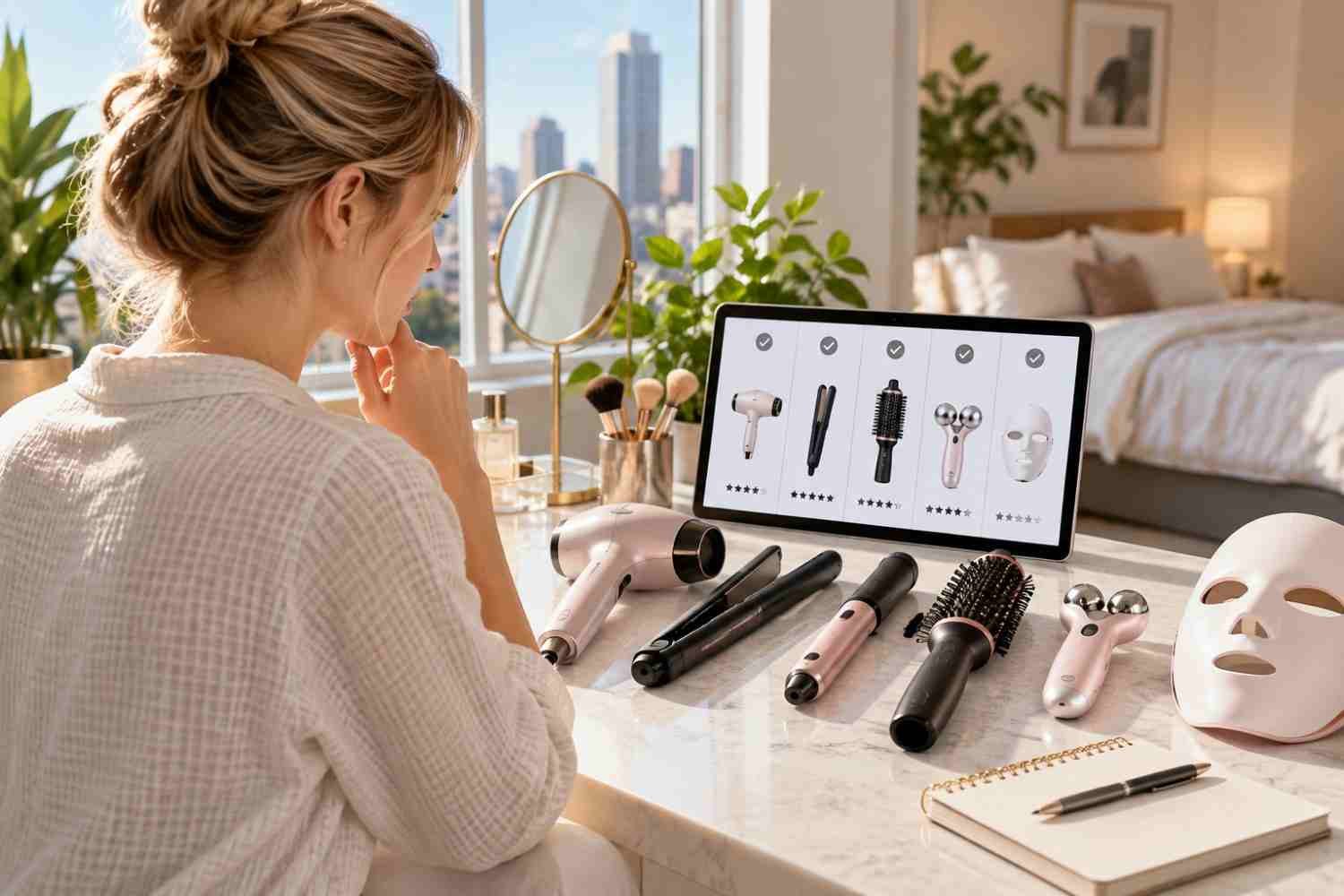
    I used to think getting ready faster meant skipping something. On rushed mornings, I would choose between drying my hair properly, spending time on skincare, or doing enough makeup to look pulled together. After trying a few practical beauty tools, I noticed a different solution: the right device can remove steps instead of removing parts of the routine.

    I also realized that speed alone is not the real measure. A tool that takes five minutes but needs constant charging, cleaning, several attachments, and a complicated setup can slow me down overall. The useful ones fit naturally into the routine, perform more than one job, and are easy enough to grab when time is tight, and keep the whole routine moving without friction.

    What Makes a Beauty Tool Actually Time-Saving?

    A time-saving beauty tool should reduce the number of separate actions needed to reach the same result. A brush that dries and styles hair together can replace the dryer-and-round-brush routine. A multifunctional facial device can combine several skincare steps, while a simple eyelash curler can make a noticeable difference without adding another layer of makeup.

    Convenience also comes down to setup. Cordless operation, intuitive controls, quick heating, lightweight construction, and easy cleaning all matter. Current beauty-tool coverage is increasingly focused on compact multi-stylers, travel dryers, cooling devices, LED tools, and other gadgets designed around faster routines.

    Everyday Tools That Can Cut Down Your Routine

    Everyday Tools That Can Cut Down Your Routine

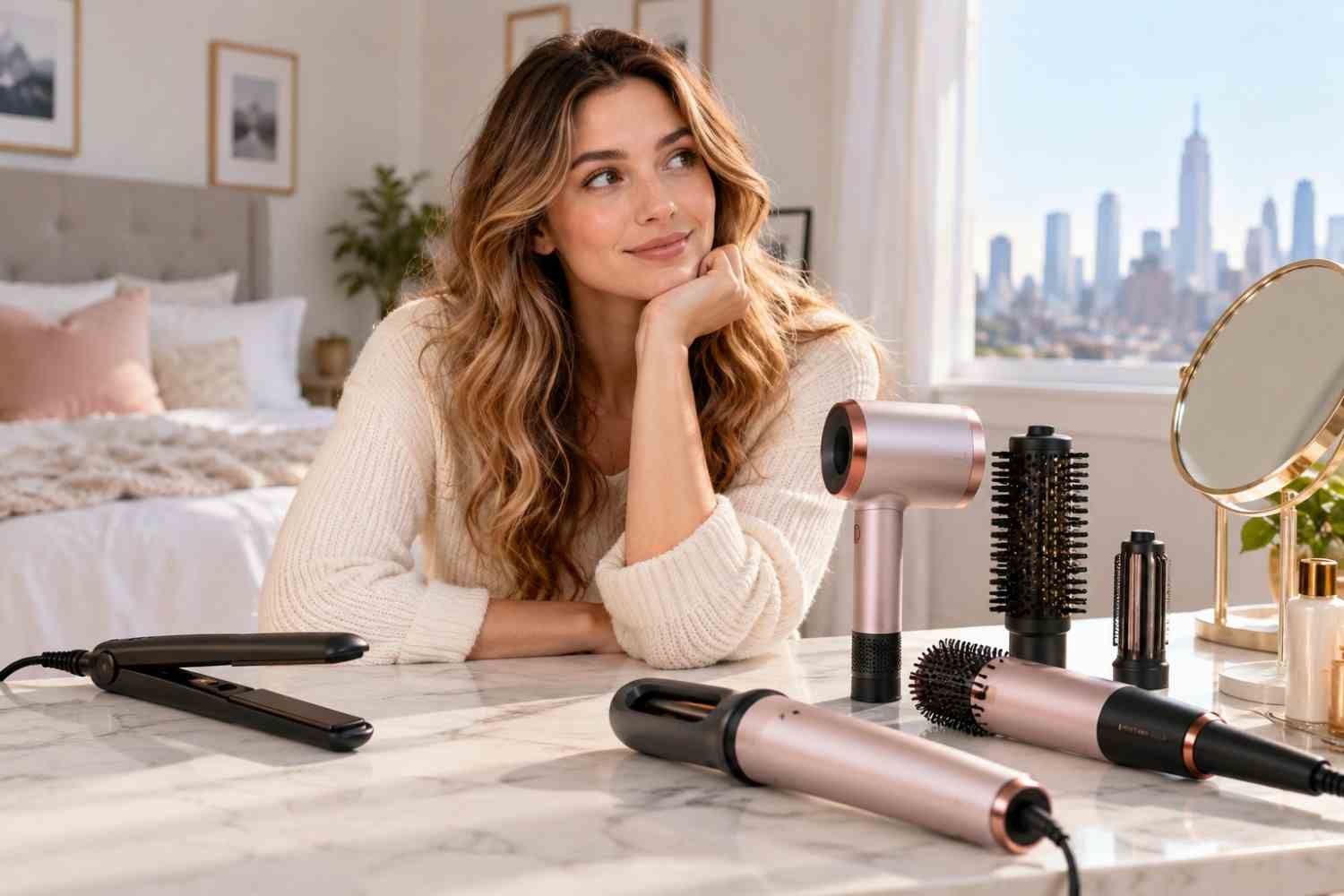
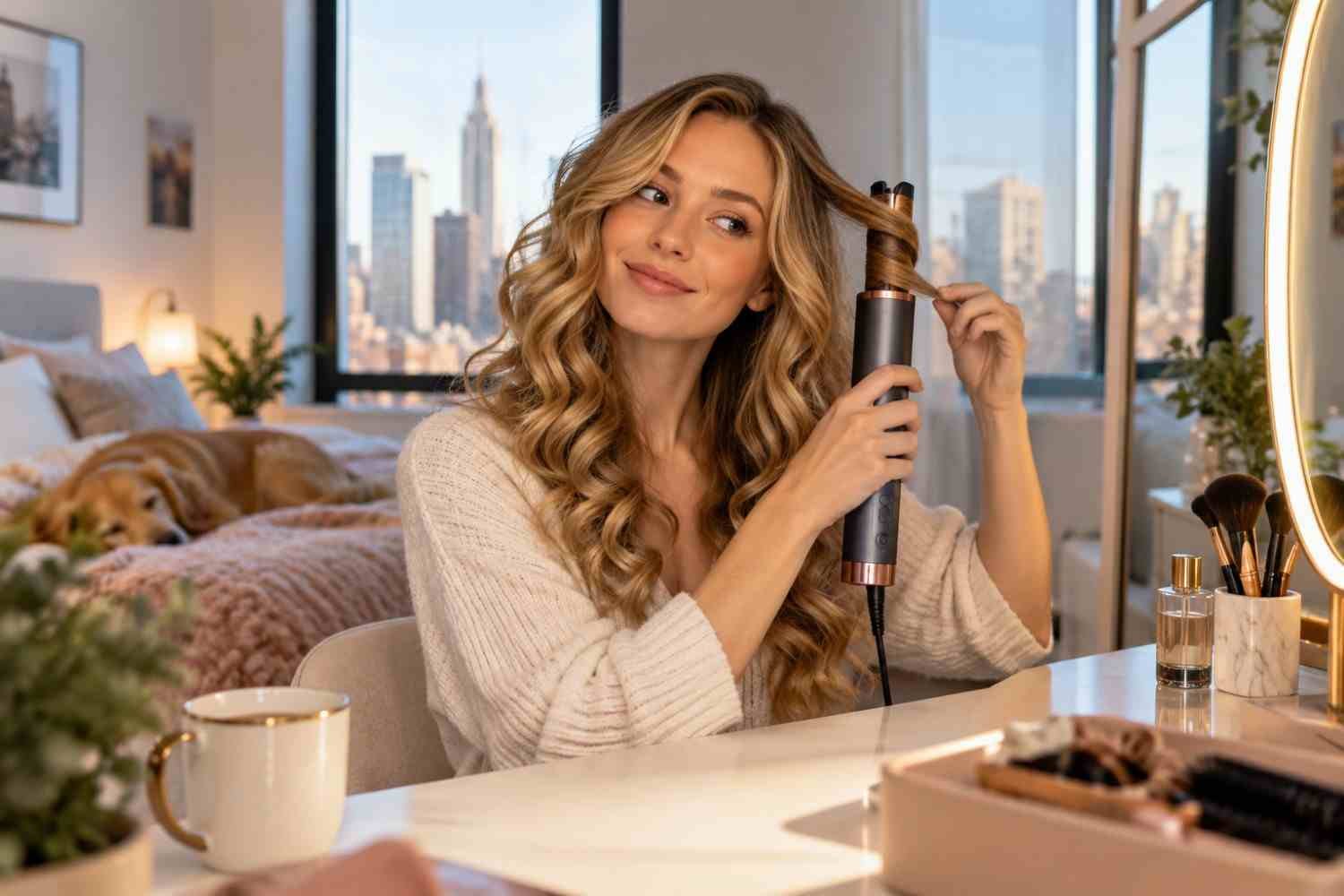
    Hair tools that combine steps

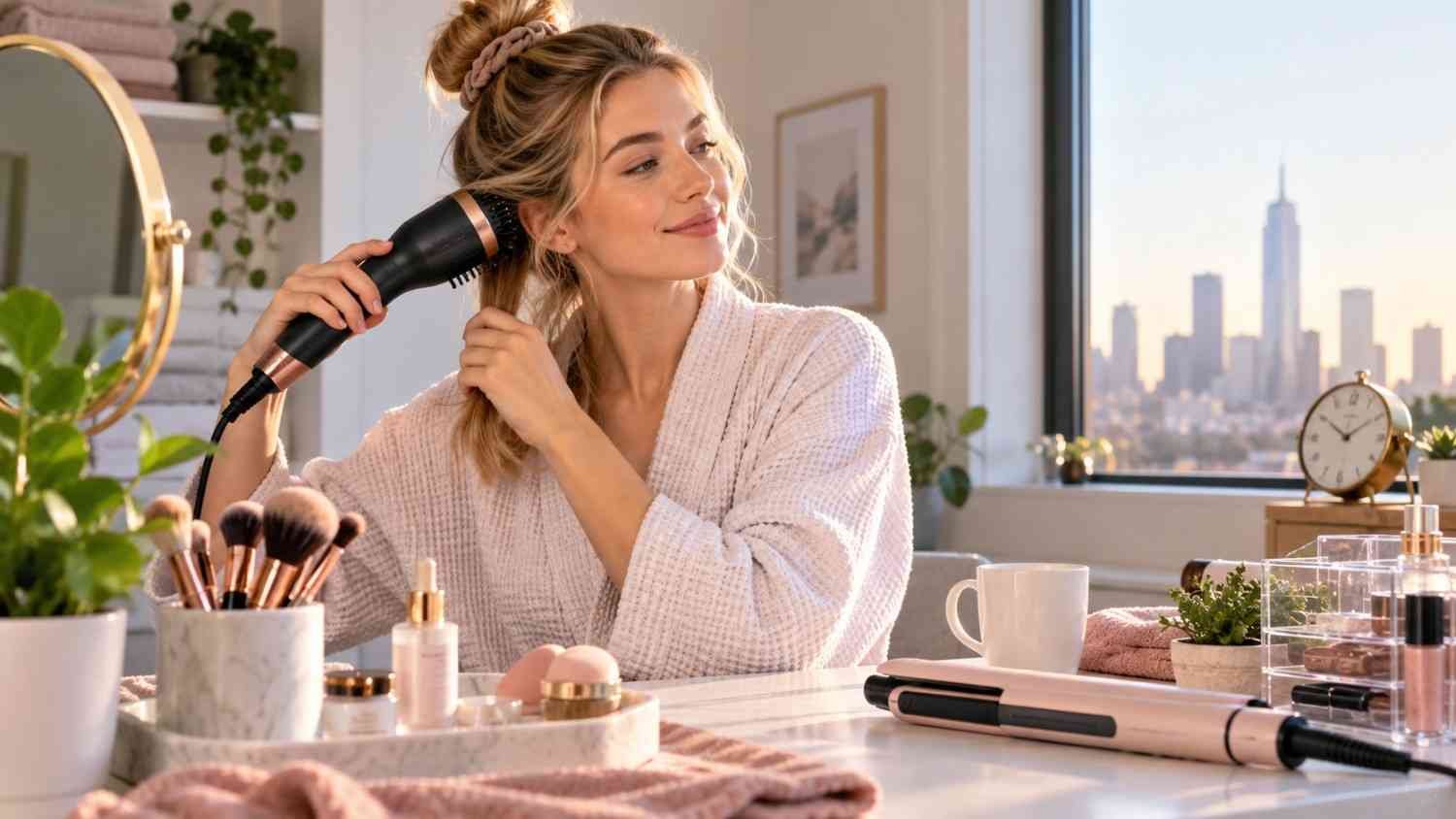
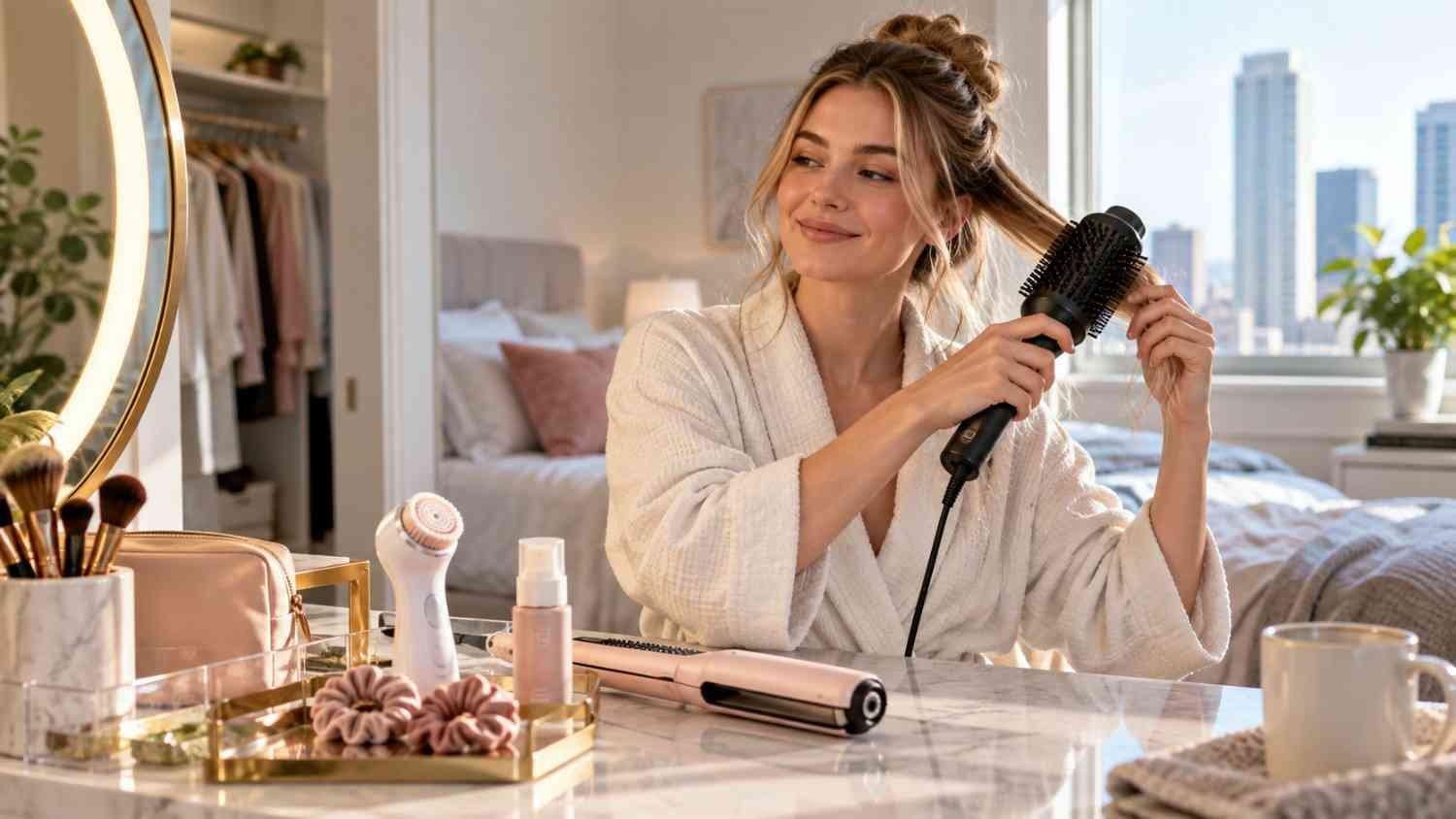
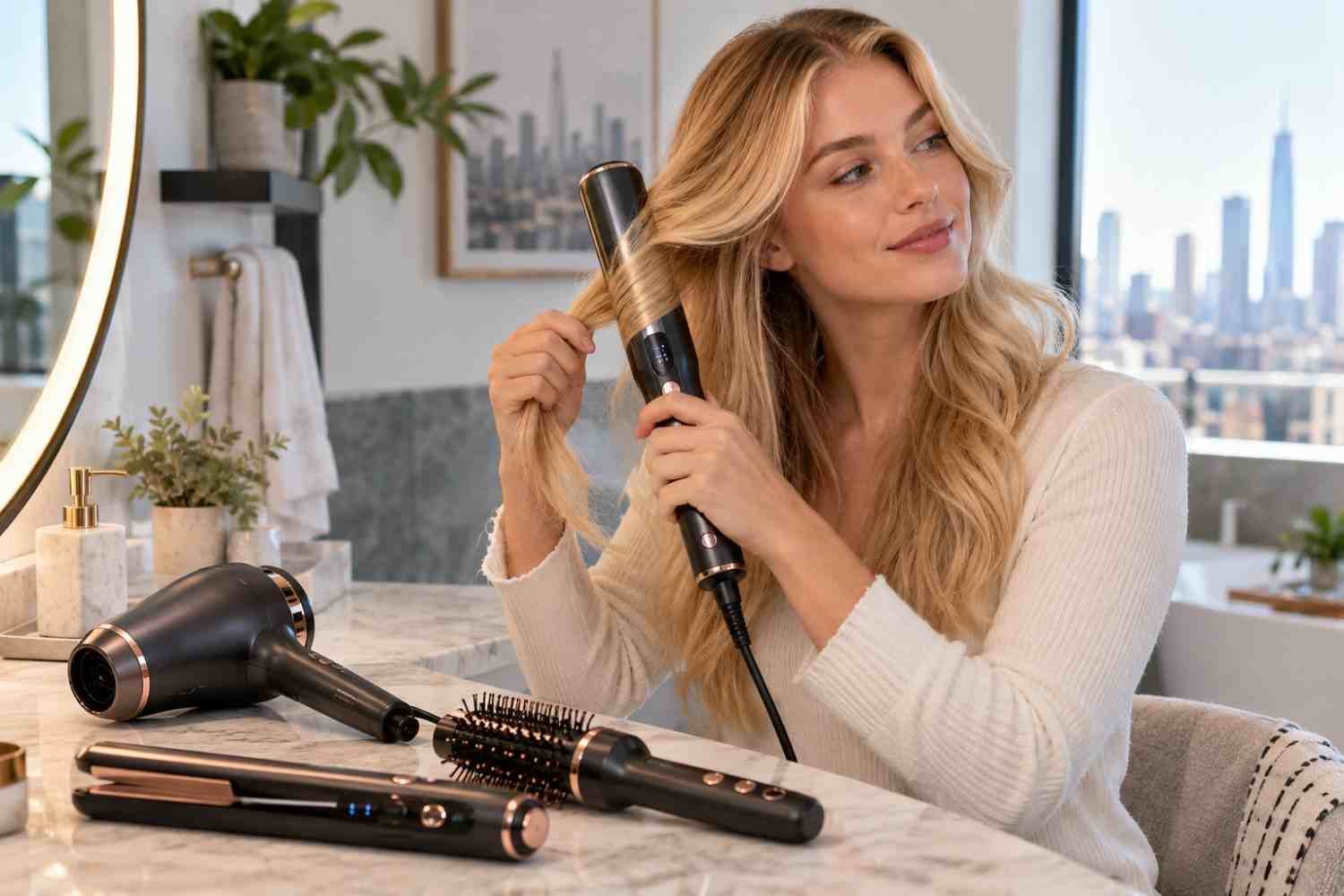
    A one-step dryer brush is a classic example. Instead of rough-drying your hair and then reaching for a separate brush, the tool handles both jobs together. The Revlon One-Step Volumizer is one familiar example of this category. It can be especially useful for medium-length or longer hair when the goal is a smooth, shaped finish without a full salon-style process.

    Small tools with a big payoff

    Not every useful tool needs a motor. Oversized claw clips can section thick hair while makeup or skincare is being done, keeping strands away from the face without requiring another styling step. An eyelash curler can create a lifted appearance in seconds, which can be useful on mornings when mascara or elaborate eye makeup feels like too much.

    Skincare devices for shorter routines

    Beauty technology can save time when it combines treatment steps or makes a short session easy to fit into a routine. LED masks, microcurrent devices, cooling tools, and facial massage devices are increasingly common examples. Current testing of skincare tools includes devices designed for sessions lasting only a few minutes, as well as multifunctional products intended to address several concerns.

    That does not mean every device belongs in an everyday routine. Red-light therapy, for example, requires consistent use, and dermatologists note that at-home devices are generally less powerful than professional equipment. Results can also vary, so the instructions and intended use matter more than impressive marketing language.

    Smart Features Can Make Beauty Routines Easier

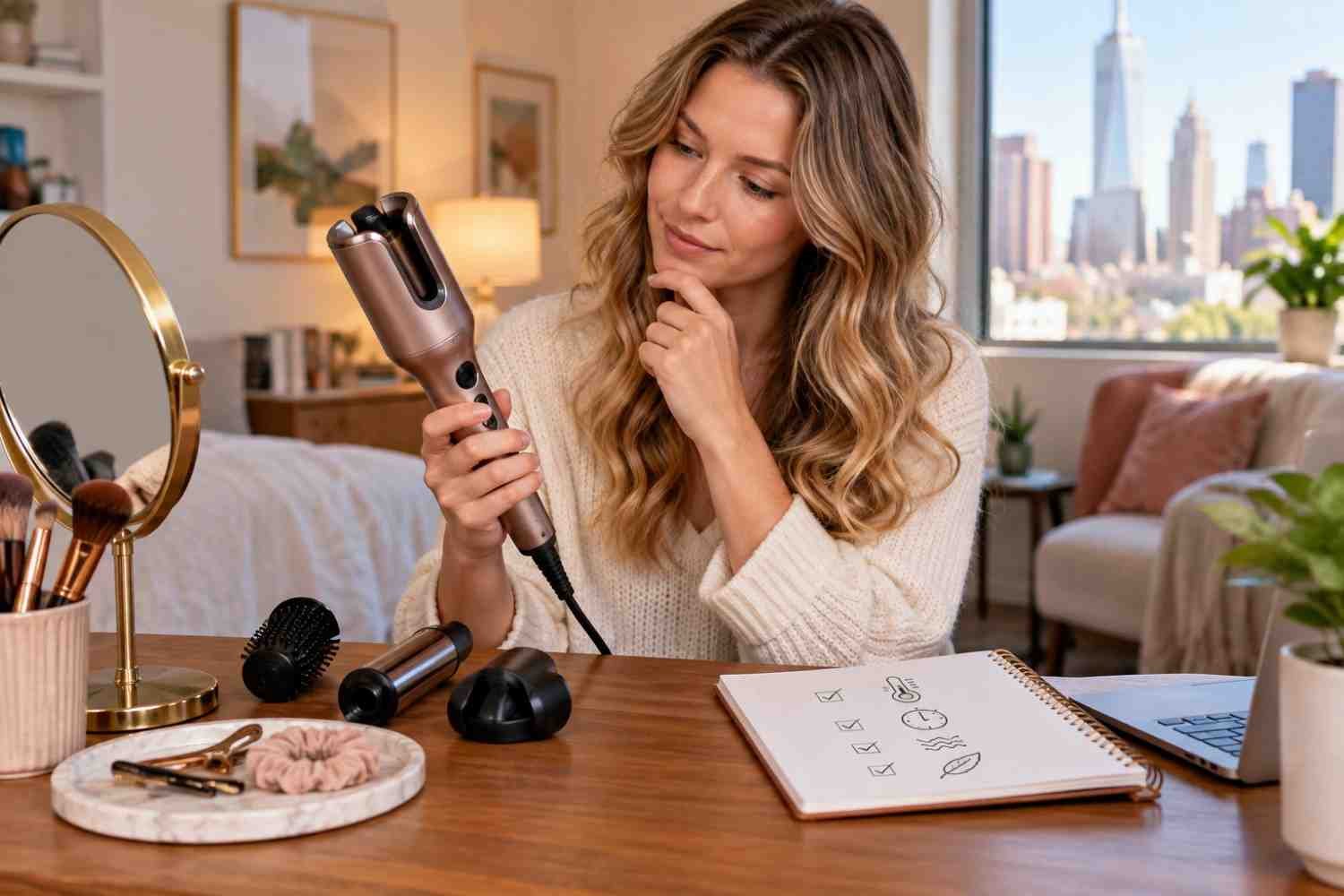
    Smart features are most useful when they remove decisions. Automatic temperature adjustment, treatment timers, sensor-based controls, and guided settings can make a device easier to use consistently. A temperature sensor on a styling tool, for instance, can help manage heat while a timer on a skincare device can prevent guesswork.

    This is where newer beauty technology can be practical. The goal should not be to make a routine feel futuristic. It should make the routine more predictable. If a device remembers settings, signals when a session is finished, or adjusts output based on contact or temperature, those conveniences can add up.

    The same principle applies to smart beauty accessories. Beauty patches with smart sensors can fit into a technology-focused routine when the underlying purpose is clear, but consumers should still look closely at what the sensors actually measure and what the product can realistically deliver.

    How to Choose Tools That Save Time

    How to Choose Tools That Save Time

    Before buying another gadget, look at the routine rather than the feature list. Ask whether it replaces a step, combines two tasks, or creates another task. A device that saves minutes each morning but requires lengthy cleaning is not saving time. Check setup, charging, cleaning, and storage before buying.

    Make the Routine Smaller, Not Just Faster

    The best approach is to build a routine around tools that naturally disappear into everyday habits. A dryer brush can handle hair while skincare sets. A clip can keep hair back while makeup goes on. A quick facial tool can fit into a morning or evening step without requiring an entirely separate appointment with yourself.

    Portability can make that efficiency useful beyond home. Compact, rechargeable devices can reduce the number of products needed in a suitcase, gym bag, or overnight bag. Portable beauty tools for frequent travelers are particularly useful when a familiar routine has to fit into limited space, provided the tool works with the destination’s voltage and charging requirements.

    The Habits Worth Keeping

    Time-saving beauty tools work best when they simplify decisions as much as they shorten individual steps. The most valuable tool is rarely the one with the longest feature list. It is the one that gets used consistently, performs its job reliably, and removes friction from a routine you already have.

    A faster routine does not need to feel rushed. When the right tools handle repetitive work, the extra minutes can simply become yours again.

    FAQs: Time-Saving Beauty Tools for Everyday Use for a More Efficient Routine

    1. What beauty tool saves the most time?

    Multifunctional hair tools can make a noticeable difference because they combine drying and styling. They are especially useful when drying and styling are normally separate steps.

    2. Are smart beauty devices worth it?

    They can be useful when sensors, timers, or automatic settings genuinely reduce decisions or setup. They are most valuable when the controls make regular use simpler.

    3. Can facial tools replace skincare products?

    Usually, no. Many devices are designed to complement a skincare routine rather than replace cleansers, moisturizers, sunscreen, or targeted treatments. They may support a routine, but they generally do not replace its basic care.

    4. How should I choose a daily beauty tool?

    Start with the step that takes the most time. Choose a tool that reduces that step without adding complicated cleaning, charging, or maintenance. Consider how often you will use it and whether the result justifies its upkeep.

  • Makeup Tools That Simplify Everyday Routines and Keep Your Kit Organized

    Makeup Tools That Simplify Everyday Routines and Keep Your Kit Organized

    I used to think a better makeup routine meant having a bigger collection. My drawer filled with brushes, sponges, sharpeners, tweezers, and little gadgets, yet I still wasted time searching for the one tool I wanted. Once I paid attention to what I actually used each morning, I noticed something obvious: a smaller group of dependable tools made getting ready much easier.

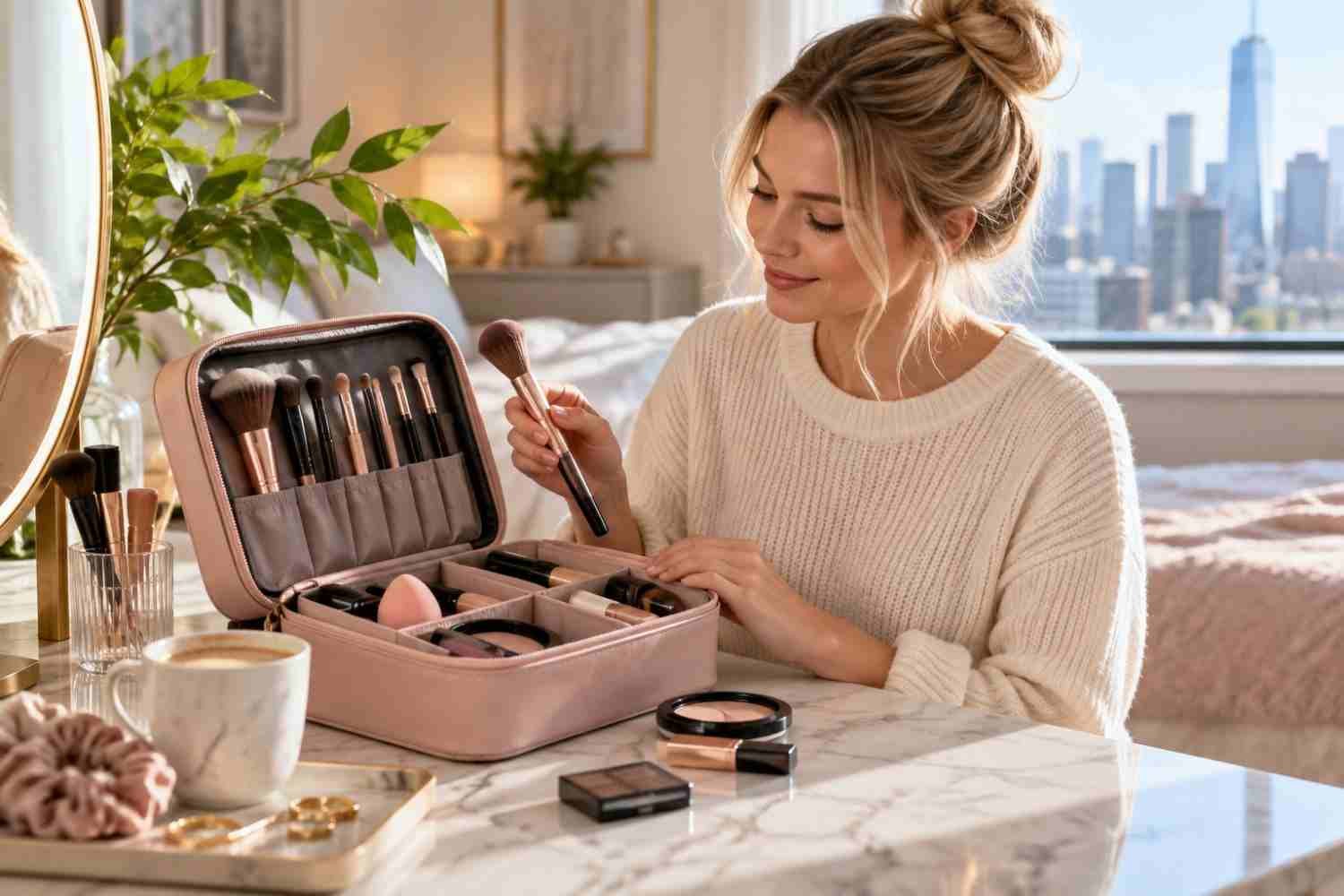
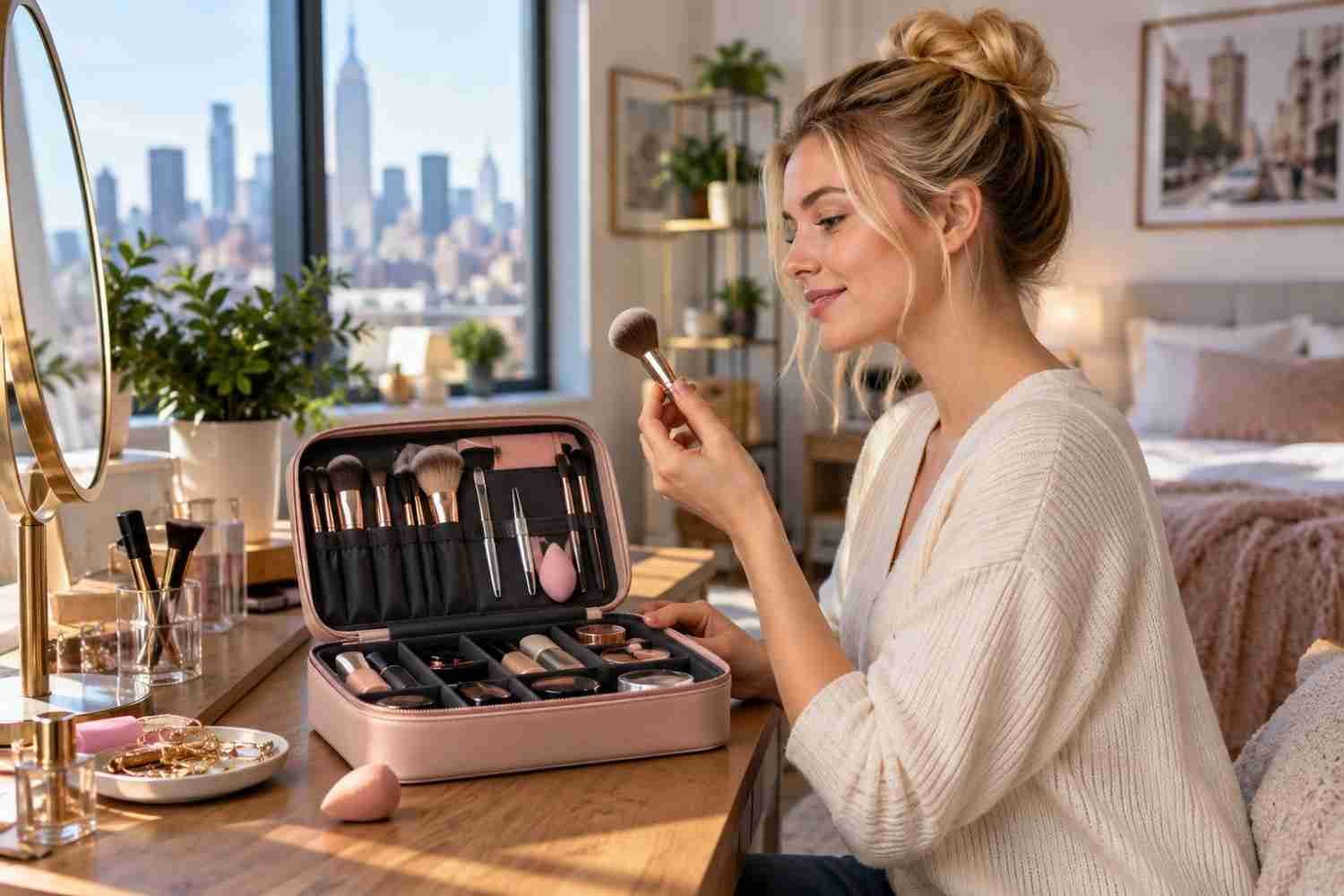
    I also realized that organization matters almost as much as the tools. When my everyday brushes were buried beneath products I rarely touched, even a five-minute routine became frustrating. Keeping useful tools visible, clean, and easy to grab changed the rhythm of getting ready, and it made my kit feel more intentional without making it feel bare.

    Why the Right Makeup Tools Make Daily Routines Easier

    The best everyday makeup tools solve small problems repeatedly. A brush with the right shape can spread foundation evenly without repeated blending. A soft sponge can quickly soften concealer edges. A dual-ended brush can handle two jobs while taking up the space of one.

    Choose tools around your actual routine. The goal is not perfection. It is removing the little pauses that add up when you are getting ready before work, school, errands, or a night out. Someone who wears tinted moisturizer, cream blush, mascara, and brow gel does not need the same collection as someone who regularly creates full glam eye looks. Your daily products should determine your daily tools. That is where simplicity helps.

    Makeup Tools Worth Keeping Within Reach

    Makeup Tools Worth Keeping Within Reach

    A versatile complexion brush is one of the most useful pieces in a compact kit. Look for a shape that can blend foundation, skin tint, cream bronzer, or blush without requiring a separate brush for every formula. Medium-density synthetic bristles are practical for liquid and cream products because they distribute product smoothly and clean relatively easily.

    A makeup sponge earns its place when you want fast, controlled blending. A damp sponge can soften foundation or concealer around areas where a brush may leave visible edges. It can also sheer out heavier coverage, which is useful when your morning routine needs to move quickly.

    An eyelash curler and a spoolie are similarly compact additions. The curler can open up the eyes before mascara, while the spoolie can shape brows, soften excess brow product, or separate lashes. These tools take seconds to use and are easy to keep together.

    A dual-ended brush can go further. One end might handle complexion work while the other is designed for smaller areas, giving you two functions without doubling storage space. For people who travel or keep a small vanity, that flexibility is genuinely useful.

    Make Organization Part of the Routine

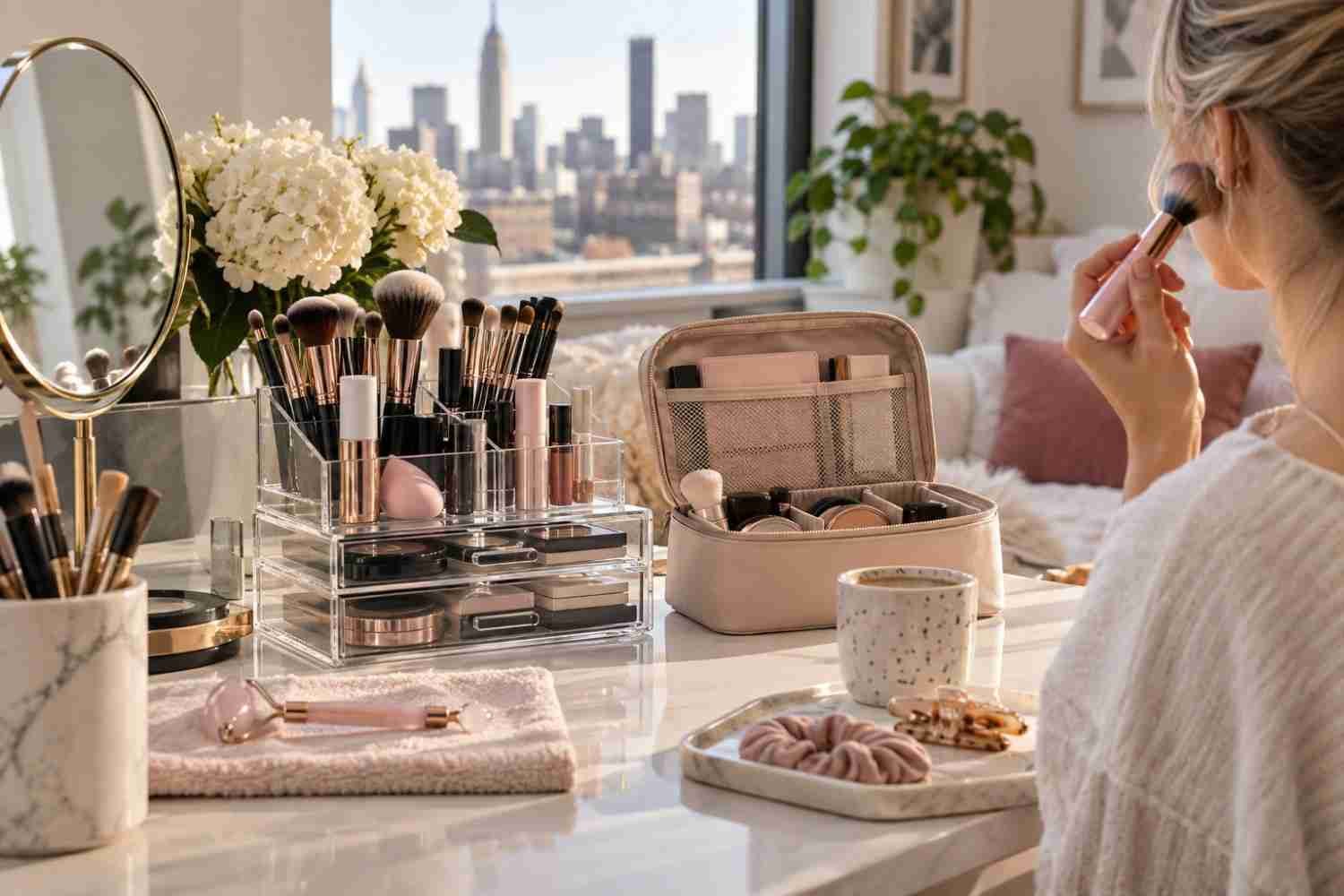
    A good organization system should make the next use easier. Separate everyday tools from occasional ones. Keep brushes and applicators you reach for most often in an open cup, shallow tray, or compact organizer where their shapes are immediately visible.

    Vertical storage can help with brushes and palettes because it uses less counter space and lets you see what you own. Clear compartments can also prevent buying another brush simply because the one you already have disappeared underneath everything else.

    This is where time-saving beauty tools for everyday use become more practical. The benefit is not only that a tool performs quickly. It is that you can find it quickly, use it confidently, and put it away without creating another mess.

    Cleanliness deserves a place in the system, too. Brushes and reusable sponges collect makeup residue and should be cleaned regularly according to their materials and use. Keeping a small cleaning routine alongside storage prevents buildup from becoming a bigger chore later.

    When Specialized Tools Earn Their Place

    When Specialized Tools Earn Their Place

    Specialty tools can be worthwhile when they solve a problem that appears often. A fine brow tool makes sense for someone who regularly shapes brows. A precise eyeliner brush can help someone who prefers detailed eye looks. A lash tool may be unnecessary for one person and indispensable for another.

    The mistake is treating every new beauty tool as essential. Before adding something, ask whether it performs a job your existing tools cannot handle comfortably. If the answer is no, leaving it out may make your routine better.

    This logic extends beyond makeup. A compact nail-care setup can complement a streamlined beauty space when each item has a clear purpose. Keeping professional nail tools for home use in a separate, organized section prevents manicure supplies from getting mixed into everyday makeup while keeping them accessible.

    Build a Smaller Kit Around Your Habits

    Start by tracking the tools you reach for during a normal week. Those repeated choices reveal more than a shopping list. If one brush handles several products well, keep it accessible. If another has not been used in months, it may belong in secondary storage.

    Storage should support that decision-making process rather than become another project. A small organizer with visible sections can be enough. There is no need to fill every compartment. Empty space can be useful because it gives frequently used tools room to stay visible.

    FAQs: Makeup Tools That Simplify Everyday Routines and Keep Your Kit Organized

    1. What makeup tools are most useful for everyday routines?

    A versatile complexion brush, makeup sponge, detail brush, spoolie, and eyelash curler cover common daily tasks without creating unnecessary clutter.

    2. How many makeup brushes do I actually need?

    There is no fixed number. A small collection works well if each brush serves a purpose and matches the formulas and looks you use regularly.

    3. How should I organize everyday makeup tools?

    Keep frequently used brushes and applicators visible and easy to reach. Store occasional tools separately so they do not bury the items you use most.

    4. Are multipurpose makeup tools worth buying?

    Yes, when they perform different jobs comfortably. Dual-ended or multitasking tools can reduce storage needs and simplify travel and daily routines.

    Why A Simpler Kit Often Works Better

    The most useful makeup collection is rarely the one with the most pieces. It is the one that removes small obstacles from the routine. When familiar tools are clean, organized, and suited to the products you actually wear, getting ready becomes less about searching and more about applying makeup.

    A thoughtful kit does not make beauty boring. It makes room for the parts you enjoy.

  • Portable Beauty Tools for Frequent Travelers That Save Space and Time

    Portable Beauty Tools for Frequent Travelers That Save Space and Time

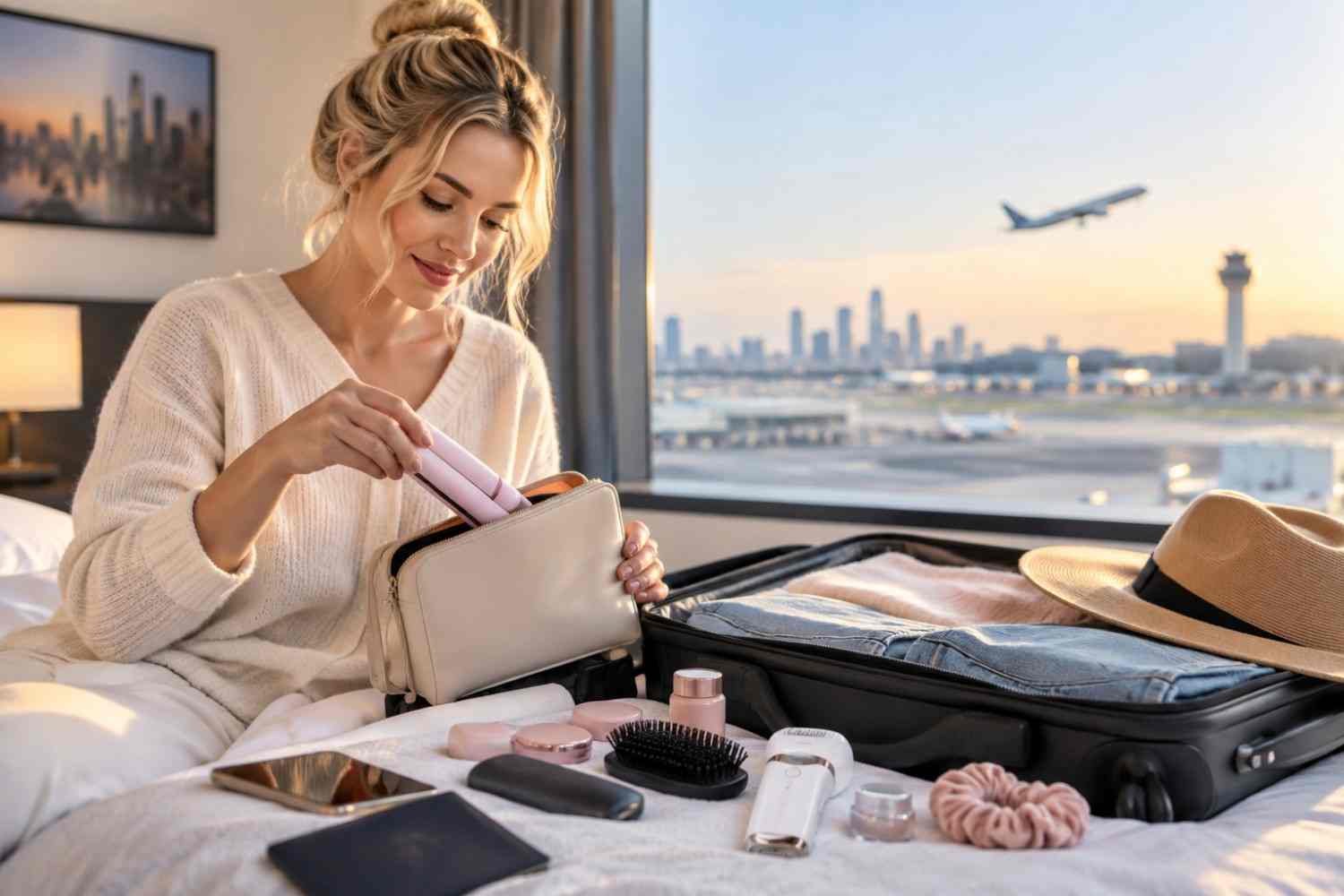
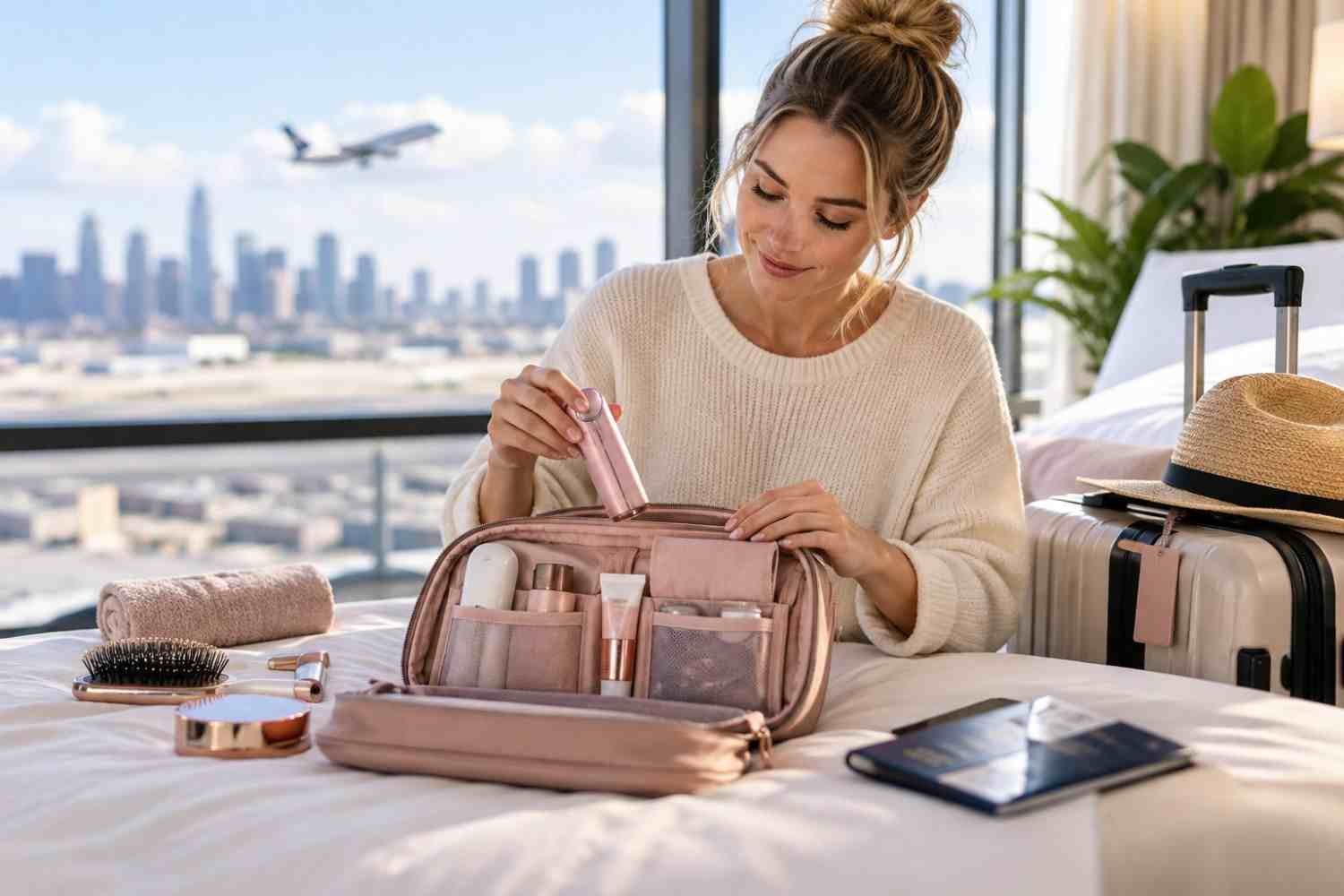
    I noticed how quickly a normal beauty routine can take over a suitcase once a trip stretches beyond a weekend. A hair tool here, a facial device there, then brushes, mirrors, chargers, and little accessories somehow fill an entire pouch. After a few trips, I started looking at beauty gear differently: if a tool could handle more than one job without becoming another bulky item, it had a reason to come along.

    I also realized that saving space is only half the appeal. The best travel tools make getting ready faster when a hotel bathroom is tiny, a flight has left my skin looking tired, or the day’s schedule starts before I feel fully awake. That is where compact, multifunctional devices become genuinely useful. They can simplify a routine without requiring travelers to give up every part of the routine they enjoy. That distinction matters when every item in a carry-on must justify its space and weight.

    What Makes a Beauty Tool Worth Packing?

    The smallest tool is not automatically the smartest choice. A useful travel beauty device should earn its space through a combination of size, versatility, durability, and convenience. Cordless operation can eliminate one more cable, while USB-C charging can make it easier to share a charger with other electronics.

    It is also worth checking charging requirements before an international trip. Voltage compatibility, battery type, charging time, and included adapters can matter more than a sleek design once you are standing in a hotel room with a dead device.

    Facial Tools for a Faster Skincare Routine

    Facial Tools for a Faster Skincare Routine

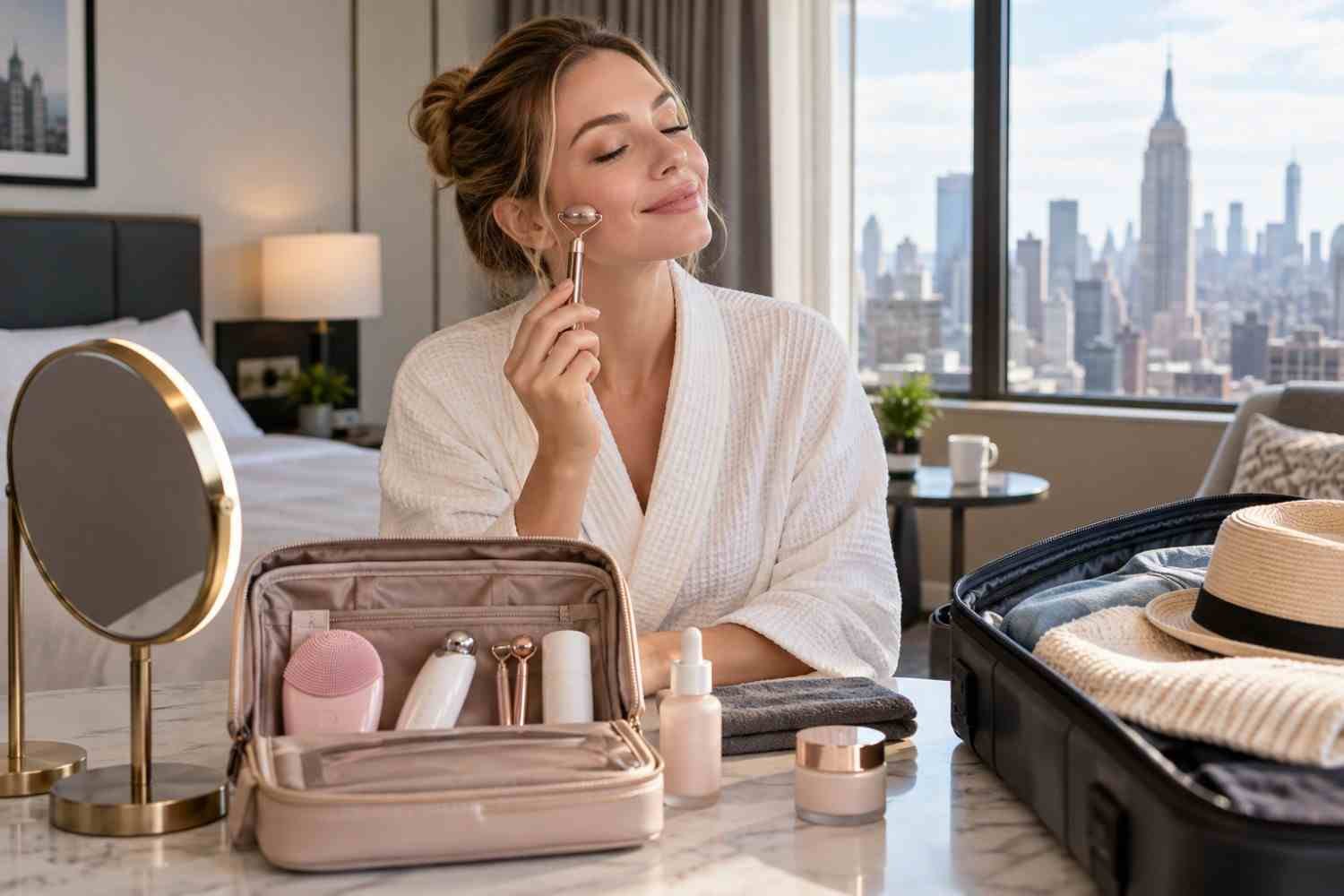
    Facial tools are especially interesting for travelers because tired-looking skin can show up after disrupted sleep, dehydration, long flights, or changes in climate. Compact massage, cooling, LED, and microcurrent devices can add a short treatment to a routine without requiring a full collection of products.

    A small microcurrent device can be attractive when space is tight because one handheld unit can replace a larger facial setup. Microcurrent tools are often designed around lifting or toning routines, although results and recommended use vary by device.

    Emerging technology is making this category more interesting. Beauty patches with smart sensors point toward a future where wearable beauty technology can collect information about skin conditions and potentially make routines more personalized. For travelers, that idea is useful because personalization could eventually mean carrying fewer products and relying on more targeted care.

    Hair Tools That Pull More Than One Job

    Hair tools can be the biggest luggage problem because traditional dryers, straighteners, curling irons, brushes, and accessories quickly add weight. A compact multi-styler can make more sense when one base unit accepts attachments or performs several styling functions.

    Travel-friendly straighteners and curling tools are also useful when they heat quickly and include features such as automatic shutoff. A protective pouch or heat-resistant case can be just as valuable because it reduces the need to wait for a tool to cool before packing.

    For international travel, check whether a hot tool supports the voltage used at your destination. A plug adapter only changes the plug shape; it does not automatically make a device compatible with another electrical system. That small distinction can prevent an expensive mistake.

    The New Generation of Compact Beauty Devices

    Beauty technology is moving toward devices that combine several functions instead of asking travelers to carry a separate tool for every concern. A single device might offer warming and cooling, massage and vibration, or multiple styling attachments.

    That is where next-generation facial sculpting devices fit into the broader travel conversation. Newer compact facial tools increasingly focus on combining treatment modes in one handheld format. The appeal is obvious: fewer objects in the toiletry bag and a shorter routine at the hotel.

    The practical question is whether those extra functions will actually be used. A multifunctional device only saves space when it replaces something else. If its additional modes sit untouched, a simpler tool may be the better packing choice.

    Pack the Routine, Not the Entire Bathroom

    Pack the Routine, Not the Entire Bathroom

    Smart packing starts before the devices go into the bag. Solid makeup and skincare formats can reduce the number of liquids that need to be organized for airport screening. TSA’s carry-on rules also make it worth checking current requirements before departure, especially when a beauty routine includes liquids, batteries, or larger electronics.

    Keep chargers together in a small pouch and protect delicate tools from being crushed under clothing. For rechargeable devices, follow the manufacturer’s battery and transport instructions rather than assuming every electronic beauty tool has identical requirements.

    Choosing Tools Around Your Travel Style

    A frequent business traveler may value a fast facial tool, compact hair styler, and small illuminated mirror because the routine has to fit between meetings. Someone taking long vacations may prioritize a versatile skincare device and a hair tool that can handle changing humidity.

    The best test is simple: before packing a device, name the specific problem it solves. If the answer is vague, leave it home. If it saves meaningful time, replaces another item, or makes a recurring travel annoyance easier, it has earned its place.

    FAQs: Portable Beauty Tools for Frequent Travelers That Save Space and Time

    1. Are portable beauty tools allowed in carry-on luggage?

    Many are, but rules depend on the device and its battery or electrical components. Check current TSA guidance and the airline’s requirements before flying.

    2. Are cordless beauty tools better for travel?

    Often, yes. Cordless designs reduce cable clutter and make hotel-room use easier, but battery life and charging time should be considered.

    3. What beauty tool saves the most luggage space?

    Multifunctional tools generally have the biggest advantage because one device can replace several single-purpose items.

    4. Should I pack electronic or manual beauty tools?

    It depends on your routine. Manual tools are lighter and simpler, while electronic devices can save time when you actually use their added functions.

    Why a Smaller Routine Can Feel Better

    The real advantage of compact beauty tools is not owning clever technology. It is removing friction from a routine that has to work outside the comfort of home. A lightweight device that performs reliably, charges easily, and replaces another item can make a hotel stay feel surprisingly normal. The right choices also leave more room for clothes, souvenirs, and the everyday things that matter once the beauty routine is finished.

    A good travel beauty kit should feel intentional, not crowded. Pack the tools you will genuinely use, and let everything else stay home.

  • Professional Nail Tools for Home Use: What You Actually Need

    Professional Nail Tools for Home Use: What You Actually Need

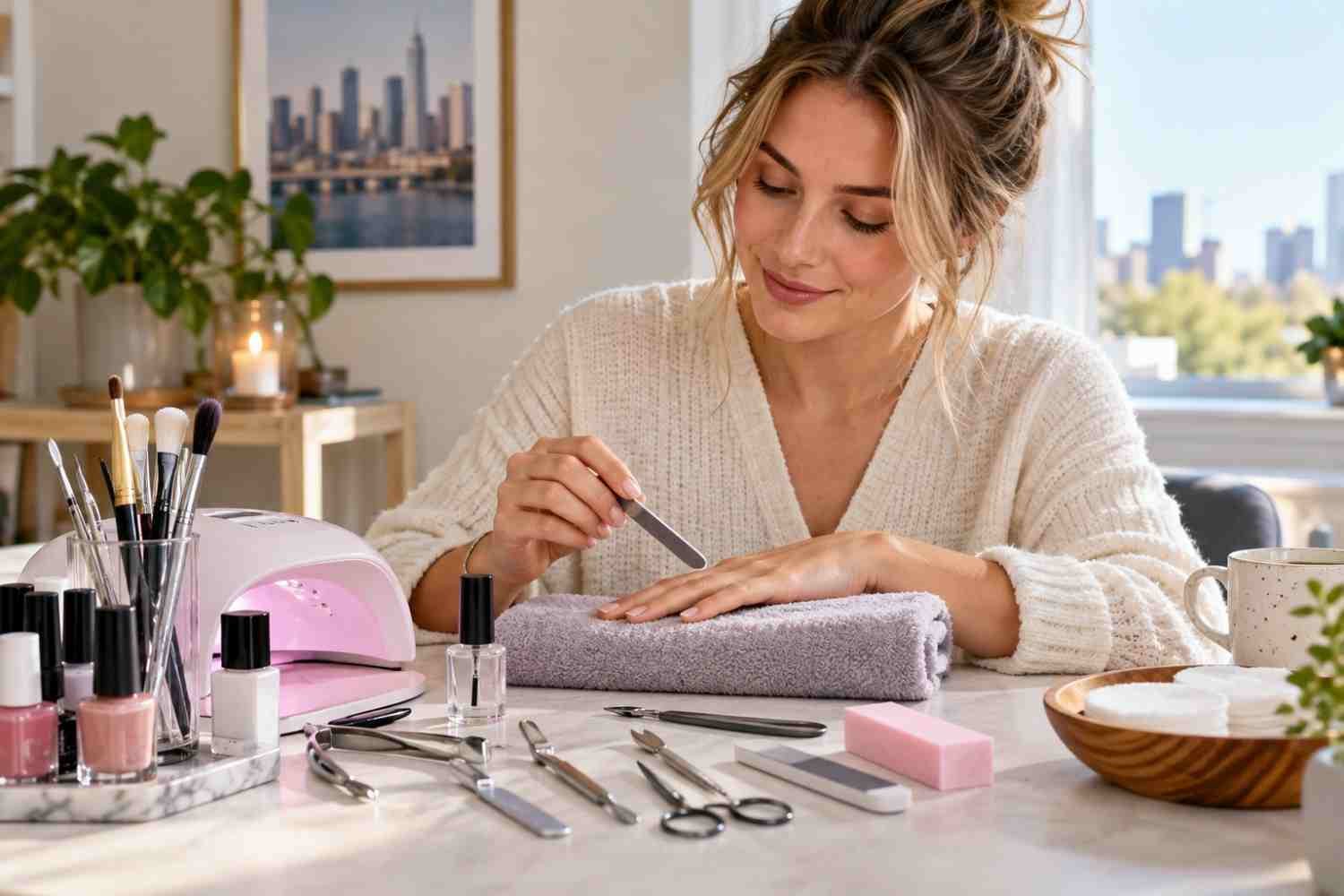
    I used to think a better manicure mostly came down to polish. After a few rushed attempts at home, I realized the tools were doing much of the work. A sharp clipper, a dependable file, and a simple cuticle tool could make an ordinary manicure feel cleaner and more controlled without filling an entire drawer.

    I also noticed that buying every tool labeled professional was not the answer. Some pieces rarely earned their space, while a few well-made basics made shaping, prep, and cleanup noticeably easier. The goal is not to recreate a salon station at home. It is to build a small kit that matches the kind of nail care you actually do.

    What Makes a Nail Tool Professional?

    Professional does not automatically mean expensive, complicated, or electric. A useful professional-grade tool should be precise, comfortable to hold, durable, and easy to clean. Stainless steel is common for reusable implements because it is sturdy and practical for repeated cleaning. That balance keeps the routine practical, consistent, and easier to maintain daily.

    The Essential Professional Nail Tools for Home Use

    The Essential Professional Nail Tools for Home Use

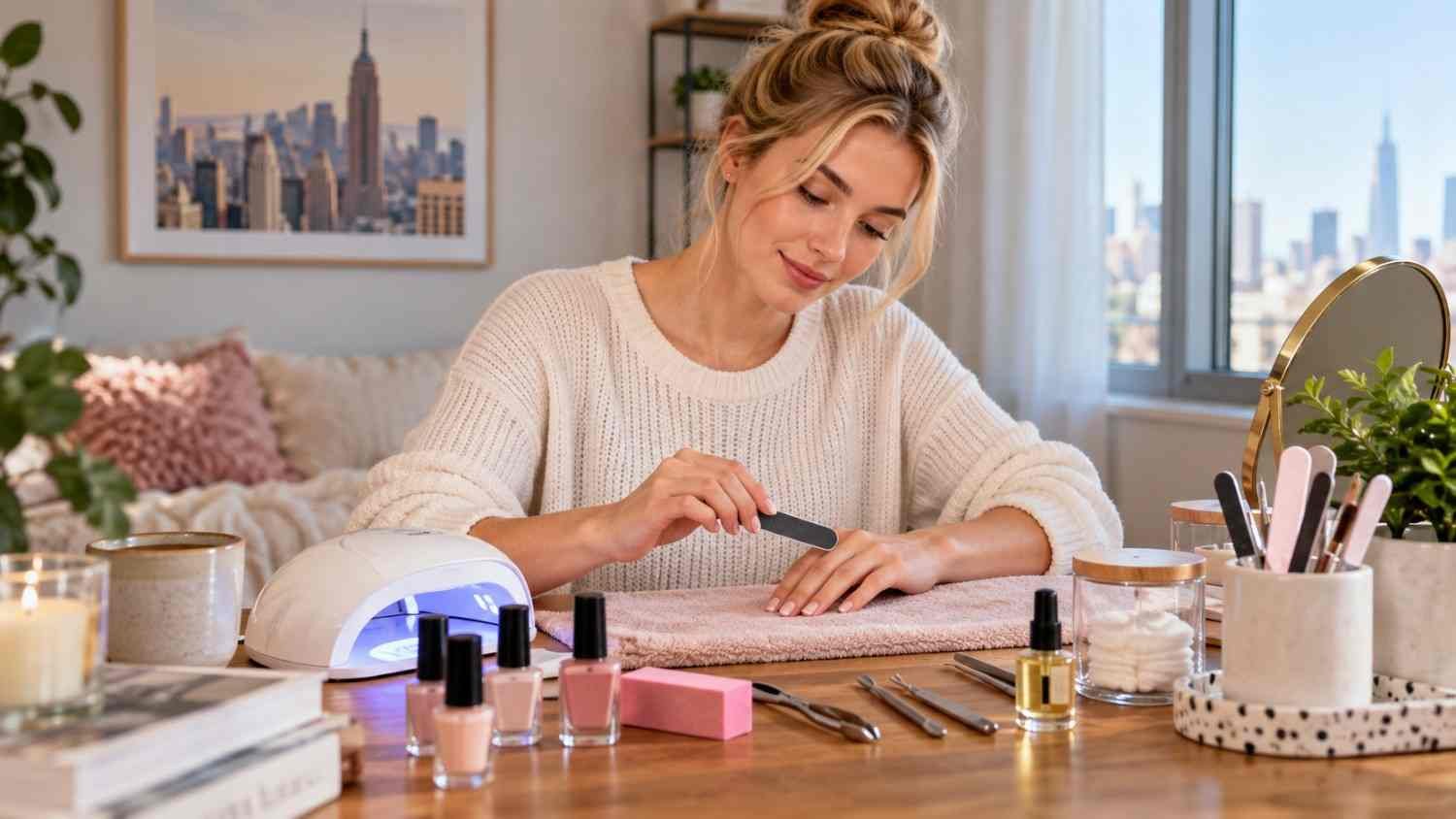
    Start with nail clippers for controlled length reduction. Fingernail clippers should let you make clean cuts without crushing the edge. After trimming, use a file to refine the shape rather than trying to create the final outline with the clippers alone.

    A double-sided nail file is one of the most useful pieces in the kit. Different grits let you handle shaping and finishing with more control. For natural nails, gentle filing is preferable to aggressive back-and-forth sawing, which can weaken the edge.

    A buffer can smooth minor surface irregularities and create a cleaner finish, but it should not become a routine way to thin the nail plate. Light pressure is enough for most home manicures.

    A cuticle pusher can help tidy the nail area, but technique matters more than appearance. The cuticle helps protect the nail from infection, so it should not be aggressively cut or forced backward. If a hangnail needs attention, a precise cuticle nipper can remove the loose piece without digging into healthy skin.

    Prep and Finishing Tools Worth Keeping Nearby

    Clean preparation often separates a neat manicure from one that starts lifting or looking uneven quickly. Lint-free wipes are useful for removing dust and residue, while the appropriate nail cleanser or alcohol can help prepare the nail surface when a product system calls for it.

    If you regularly wear gel polish, an LED curing lamp becomes an important piece of equipment. The lamp needs to be compatible with the gel products being used, because curing is not simply a matter of choosing the brightest light. Follow the product manufacturer’s curing time and lamp recommendations rather than guessing.

    Cuticle oil belongs in the finishing routine, especially after filing, washing, or polish removal. Hydrated surrounding skin makes the manicure look more finished and helps reduce dry, rough skin around the nail.

    For people who like efficient routines, time-saving beauty tools for everyday use can also make sense when the same few tasks are repeated regularly. The point is convenience without turning a simple manicure into an equipment-heavy project.

    When an Electric Nail Drill Makes Sense

    An electric nail file can be useful for people who regularly maintain gel or acrylic enhancements, remove product, or perform detailed shaping. It offers speed and consistent results when the user understands pressure, bit selection, and movement.

    For someone who mainly trims and shapes natural nails, however, an e-file is not essential. A quality hand file provides plenty of control and has a smaller learning curve. Beginners should avoid treating a nail drill like a shortcut. Holding it in one spot too long or applying excessive pressure can generate heat and damage the natural nail.

    Match the Kit to Your Nail Routine

    A natural-nail routine can stay simple: clippers, a file, buffer, gentle cuticle-care tool, nail brush, and cuticle oil cover most needs. Gel users can add lint-free wipes, appropriate prep products, a compatible LED lamp, and removal supplies.

    A compact setup is useful for people who move between home, work, and travel. Portable beauty tools for frequent travelers can keep the essentials organized without taking over a toiletry bag, especially when choosing multipurpose tools and compact files.

    Hygiene Is Part of Tool Quality

    Hygiene Is Part of Tool Quality

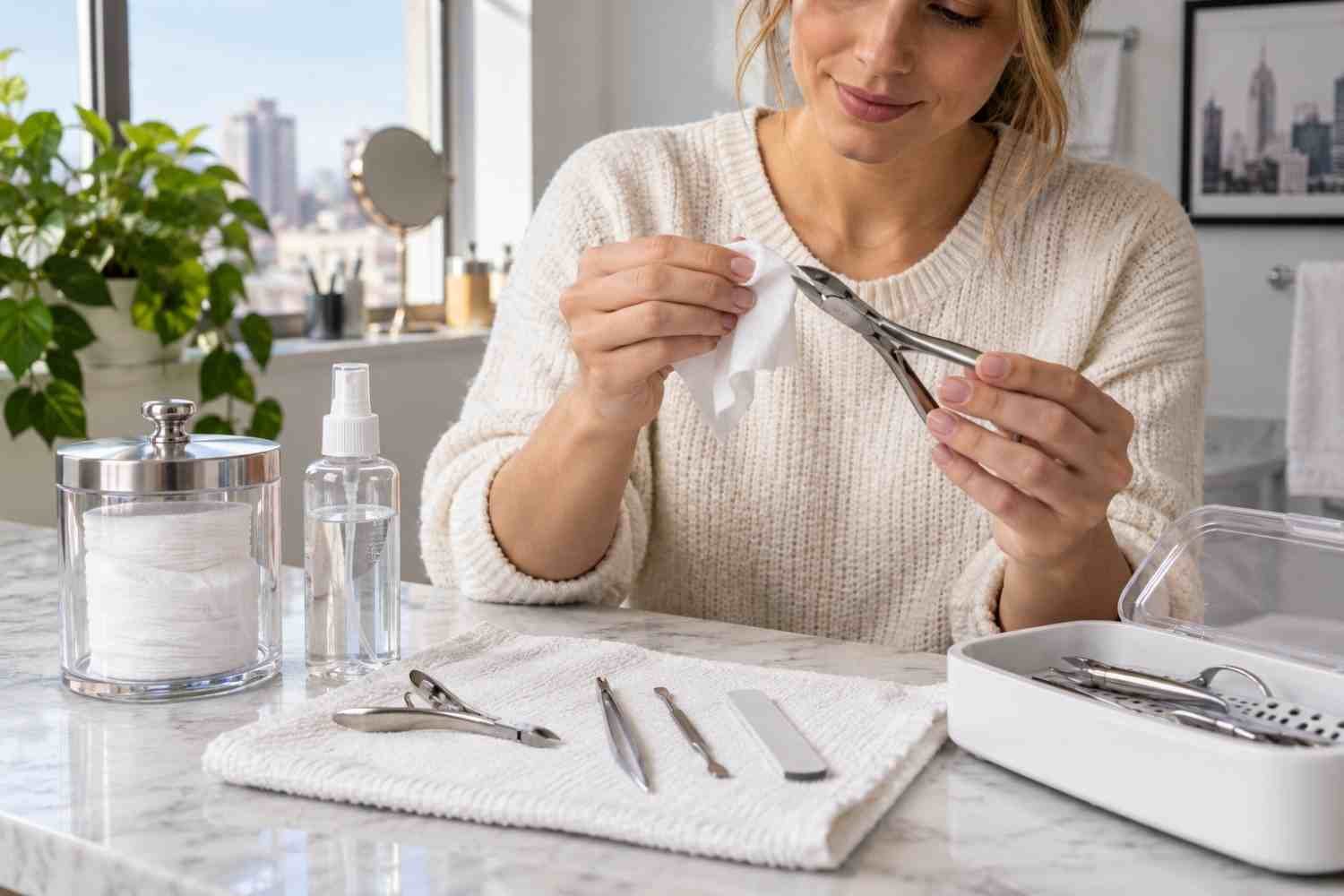
    Clean tools are not an optional extra. Wash reusable implements according to their material and the manufacturer’s instructions, then disinfect them appropriately and allow them to dry completely before storage. Keep personal tools separate from other people’s supplies.

    The safest approach is simple: clean your hands and workspace, avoid cutting living cuticle tissue, and stop if a tool causes pain. If a nail changes color, texture, or shape unexpectedly, professional medical advice is more appropriate than trying to correct the problem with stronger tools.

    Spend More Where Precision Matters

    You do not need premium versions of everything. Put more of your budget toward tools that directly affect control and repeated use, such as a good file, well-made clippers, precise nippers, or a reliable curing lamp if you use gel.

    FAQs: Professional Nail Tools for Home Use: What You Actually Need

    1. What are the most important professional nail tools for home use?

    Start with clippers, a quality file, buffer, cuticle-care tool, nail brush, and cuticle oil. Add gel-specific equipment only if your routine requires it.

    2. Do I need a nail drill for home manicures?

    Not usually. A hand file is enough for basic natural-nail care. Drills become more useful for regular gel or acrylic maintenance.

    3. Are stainless steel nail tools worth buying?

    Yes, especially for reusable implements. Durable stainless steel can offer good control and is practical for proper cleaning and maintenance.

    4. How often should nail tools be cleaned?

    Clean tools after use and disinfect reusable implements appropriately. They should be completely dry before being stored to reduce contamination and corrosion risks.

    Build a Kit That Earns Its Space

    The best home manicure setup is rarely the biggest one. It is the collection of tools you can reach for confidently, maintain properly, and use without fighting the equipment. Good clippers, a reliable file, sensible cuticle care, and clean finishing tools can cover an impressive amount of nail work.

    Professional results at home come less from owning everything and more from knowing what each tool is meant to do. Choose carefully, work gently, and let a smaller kit do more.

  • Smart Hair Styling Tools With Temperature Control: Features That Matter

    Smart Hair Styling Tools With Temperature Control: Features That Matter

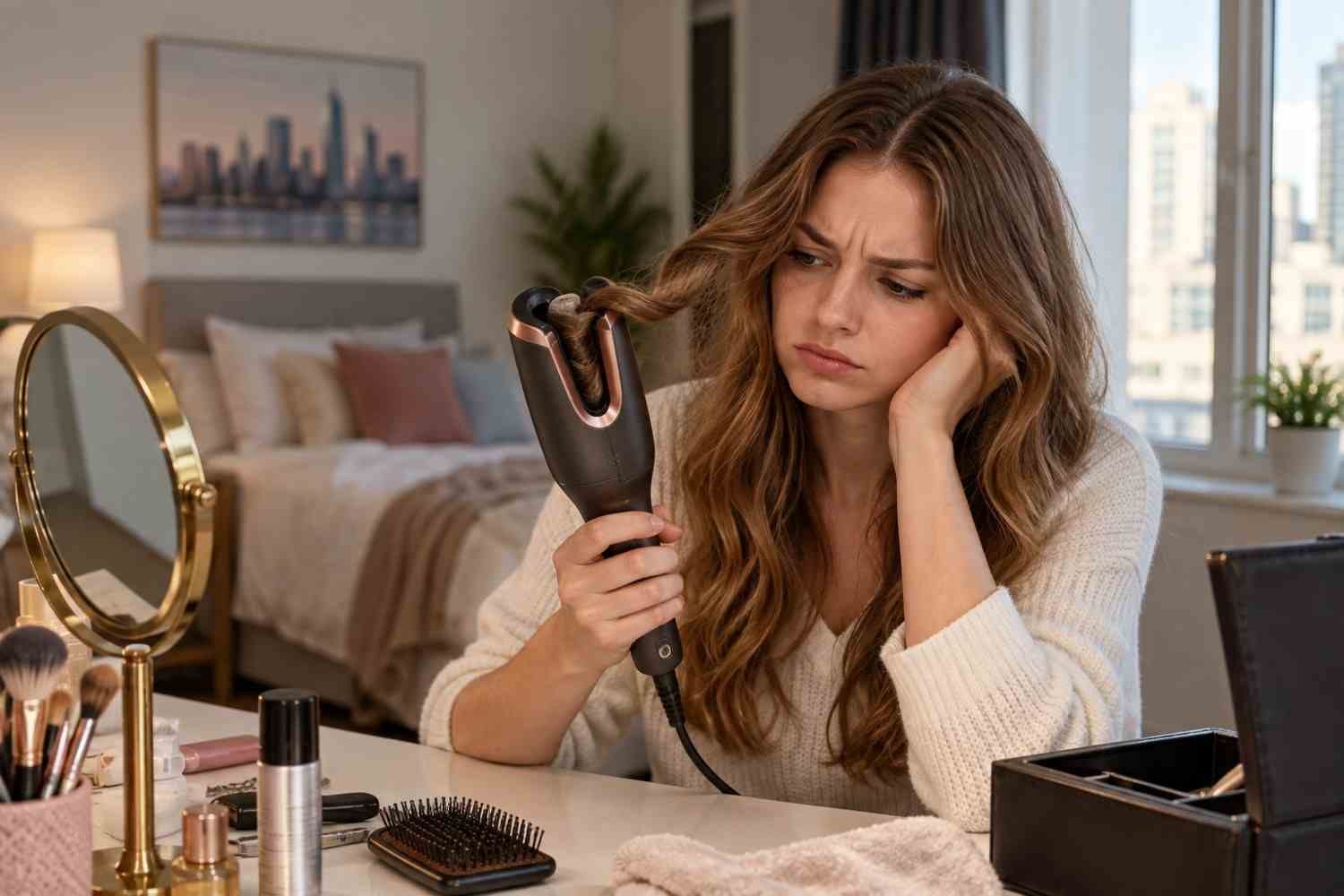
    I used to think the temperature dial on a hair tool was just another setting to ignore. If my straightener got hot quickly and my curls held, I considered it a good tool. After dealing with uneven results, repeated passes, and hair that sometimes felt rough after styling, I started paying closer attention to how heat was actually being delivered.

    I also noticed newer styling devices feel different in use. Some react to what is happening while I style. That made me curious about smart hair styling tools with temperature control and which features genuinely matter.

    What Makes a Hair Tool Smart?

    A conventional heated tool gives you a selected temperature and expects you to manage the rest. A smarter device can add sensors, processors, feedback systems, or programmed settings that monitor conditions and adjust performance. The goal is controlled heat during daily styling.

    Real-time monitoring is one of the more meaningful developments. Sensors can help a device track temperature and maintain a consistent level instead of allowing large fluctuations. Some newer dryers detect proximity to the scalp and adjust heat. That responsive behavior can personalize styling without constant manual changes. Intelligent heat control is increasingly treated as a practical feature.

    Why Consistent Temperature Matters

    Why Consistent Temperature Matters

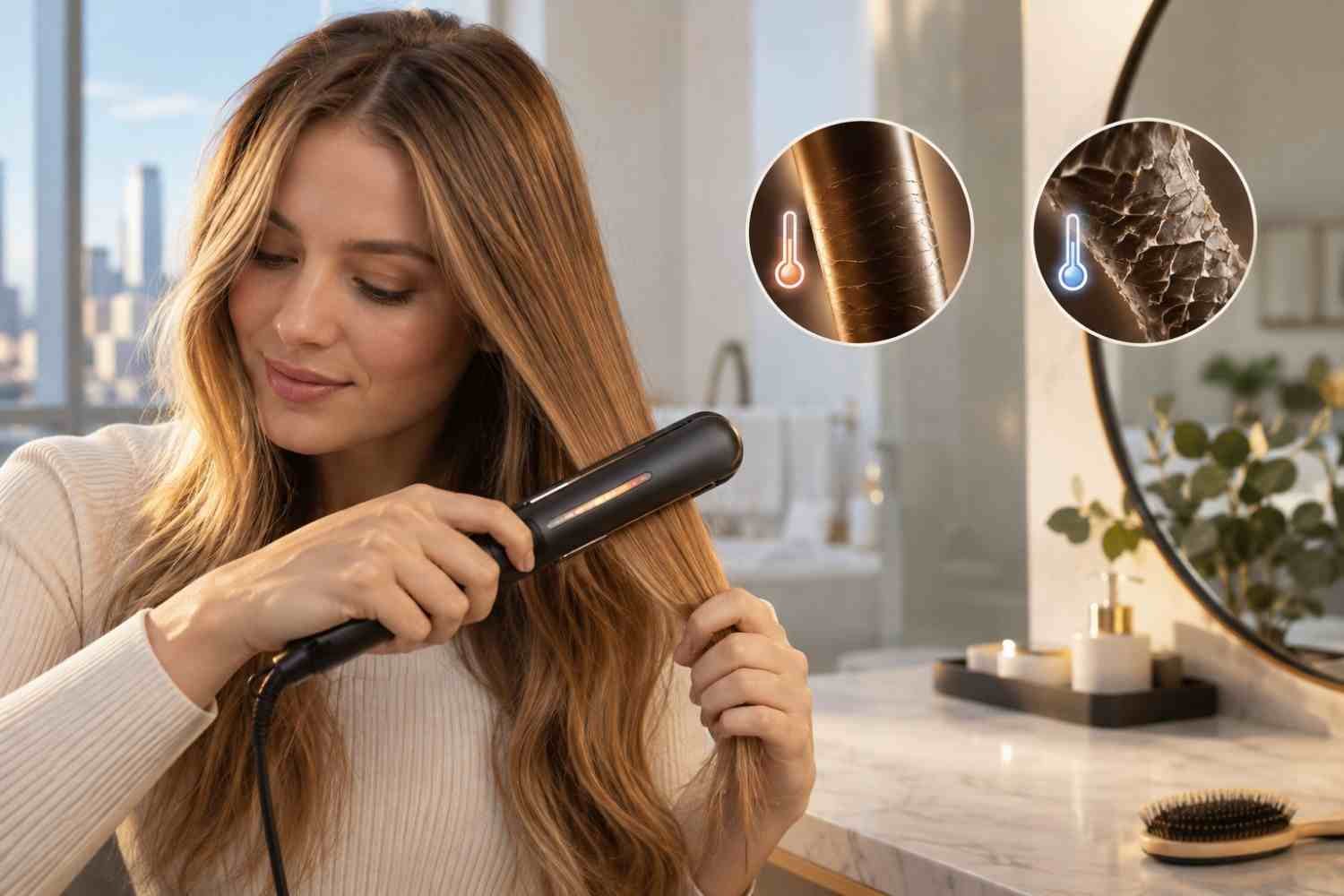
    High temperature is not automatically better. Hair responds to thermal exposure, and excessive heat can contribute to dryness, brittleness, and surface damage. The bigger issue is exposure time and repeated passes.

    That makes stable temperature regulation useful. If a straightener drops below its selected setting and then overheats while recovering, the experience can be inconsistent. A well-regulated tool aims to deliver predictable heat, helping you avoid extra passes. Ceramic surfaces are also commonly used because they can distribute heat across the styling area, although the material alone does not determine whether a tool is gentle.

    Use enough heat to create the result you want, then focus on technique. Temperature control cannot make careless styling harmless.

    Smart Features Worth Paying Attention To

    Not every digital feature deserves equal weight. Look for technology that changes how the device actually performs.

    • Adaptive heat sensing can monitor temperature and make rapid adjustments during styling.
    • Consistent heat delivery can reduce repeated passes.
    • Hair-type settings can make choosing a starting point easier for fine, thick, curly, or treated hair.
    • Automatic shutoff, cool settings, and controlled airflow add useful safety and convenience.

    Some advanced stylers take personalization further with stored profiles or guided settings. These can help connect hair characteristics with a sensible routine. However, a touchscreen or app is not automatically proof of better heat management. Ask what the technology changes in practice.

    Modern beauty tools increasingly combine functions, too. Current coverage includes dryers, flatirons, rotating curlers, brush dryers, and multi-stylers.

    Match the Tool to Your Hair

    The smartest tool on paper can still be wrong for your hair. Fine or fragile strands generally need conservative heat and fewer passes, while thick or coarse hair may require more controlled power. Curly and textured hair can also benefit from tools that reduce snagging and friction while maintaining predictable heat.

    Color-treated or stressed hair deserves extra care. Precise temperature control helps with restraint, but it does not replace heat protectant or good styling habits. Hair should also be sufficiently dry when using tools designed for dry styling, unless the device specifically supports wet-to-dry use.

    Personalization should mean more than selecting a hair type inside an app. Consider your hair’s condition, density, texture, and styling goal before choosing technology.

    Look Beyond Straighteners

    Look Beyond Straighteners

    Temperature intelligence is no longer limited to flatirons. Hair dryers can regulate heat while monitoring distance or airflow, while hot brushes and multi-stylers combine drying, smoothing, curling, or volumizing in fewer steps. Air-based styling systems are another direction because they use airflow to shape hair rather than relying exclusively on hot surfaces.

    That matters daily. A tool that dries and styles at once can reduce handling and shorten the time hair spends under heat. Recent beauty coverage has emphasized multitasking designs, faster drying, and technologies intended to make styling more efficient.

    Versatility should not overshadow basic performance. A device with ten attachments is not necessarily more useful than a simple, reliable tool.

    What to Check Before Buying

    Before spending more on smart styling technology, examine the features that affect actual use. Check the temperature range, adjustment precision, automatic heat regulation, and consistency during repeated passes. Also consider plate or barrel construction, airflow, weight, controls, and automatic shutoff.

    Think about your routine. If you mainly straighten your hair, precise plate temperature and smooth movement may matter most. If you switch between waves, curls, and blowouts, a responsive multi-styler could make more sense. Ease of cleaning and storage also matter because sophisticated technology is less valuable when the device is annoying to use.

    Smart does not mean maintenance-free. Keep attachments clean, follow instructions, and replace a tool if its temperature behavior becomes erratic.

    FAQs: Smart Hair Styling Tools With Temperature Control: Features That Matter

    1. Do smart hair tools prevent heat damage?

    No. Temperature control can limit unnecessary thermal exposure, but damage also depends on heat level, contact time, passes, hair condition, and technique.

    2. Are ceramic plates better for hair?

    Ceramic surfaces can provide even heat distribution, but overall performance depends on temperature regulation, construction, and how the tool is used.

    3. Are smart hair tools worth the extra cost?

    They can be worthwhile if adaptive heat, precise controls, or multitasking features solve a real problem. Extra technology alone is not a reason to spend more.

    4. Should every hair type use the same temperature?

    No. Texture, thickness, condition, and treatment history can affect the appropriate setting. Start conservatively and increase heat only when necessary.

    The Features Worth Keeping

    The most useful smart styling technology is not the feature that looks futuristic on a product page. It is the one that quietly makes heat more predictable, reduces unnecessary passes, simplifies control, or helps you work with your hair instead of fighting it. That is where temperature sensors, responsive controls, balanced heat distribution, and practical presets can earn their place in a daily routine.

    Good styling still requires judgment. The right tool can make that easier, but cannot replace it. When technology gives you more control without making the routine complicated, smart hair styling starts to feel genuinely useful.