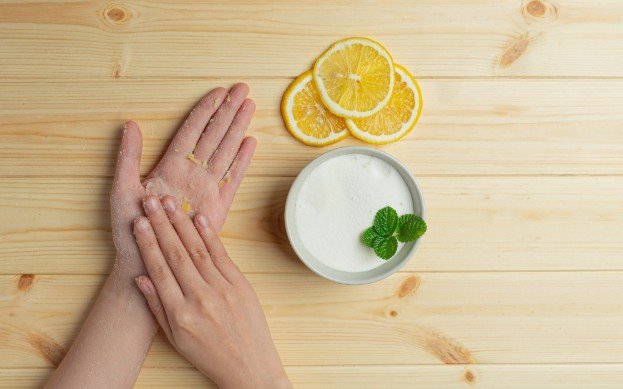
I used to assume rough skin around my nails only needed a quick dab of oil. However, I learned that lasting improvement requires more than temporarily making the skin look glossy. The cuticle area needs moisture, protection, and relief from the habits that repeatedly strip its natural oils.
The most effective home remedies for dry cuticles combine a moisturizer with an ingredient that seals hydration into the skin. They also reduce exposure to hot water, detergents, nail polish remover, and unnecessary trimming. With consistent care, mildly dry skin may begin feeling softer within several days.
Why Do Cuticles Become Dry and Cracked?
Cuticles help form a protective seal between the nail plate and surrounding skin. When this area becomes damaged, it can peel, split, or develop painful hangnails.
Frequent handwashing is a common cause because soap and hot water remove some of the skin’s protective oils. Alcohol-based hand sanitizer, household cleaners, acetone nail polish remover, cold weather, low humidity, and repeated manicures can make the problem worse.
Biting, picking, or aggressively cutting the skin may create tiny injuries. People with eczema or contact dermatitis may also experience recurring dryness, itching, and inflammation around their nails. Identifying the likely cause is important because applying oil will not completely solve the problem if the skin continues to encounter the same irritant.
1. Apply a Thick Hand Cream After Washing
Moisturizing immediately after washing helps replace water and oils lost during cleansing. Pat your hands dry instead of rubbing them vigorously, leaving the skin slightly damp. Massage a fragrance-free hand cream into the fingers, nail folds, and surrounding skin.
Look for ingredients such as glycerin, ceramides, shea butter, hyaluronic acid, or urea. Glycerin and hyaluronic acid attract water, while ceramides help support the skin barrier. A thick cream generally provides more lasting protection than a thin, fast-evaporating lotion.
2. Seal Moisture With Petroleum Jelly
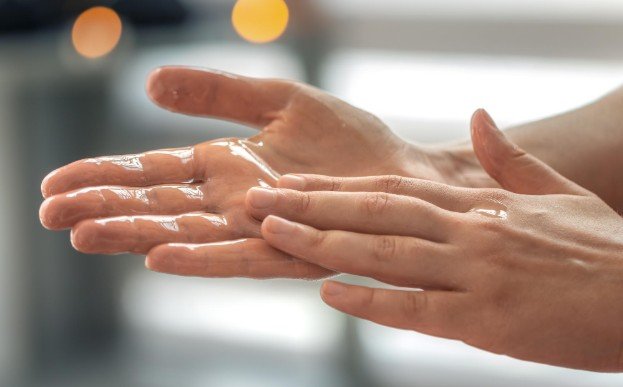
Petroleum jelly is an occlusive, meaning it forms a protective layer that reduces water loss. It works especially well when applied over a moisturizing cream rather than placed on severely dehydrated skin by itself.
At bedtime, apply hand cream and cover the skin around each nail with a small amount of petroleum jelly. This two-step method helps keep moisture in contact with the skin for longer and can reduce morning roughness.
3. Massage With Jojoba or Coconut Oil
Plant oils soften rough skin and make dry nail folds feel more flexible. Jojoba oil is lightweight and easy to massage into the nail area. Coconut, argan, sunflower, and olive oils can also serve as simple alternatives.
Place one drop on each nail and massage gently for approximately one minute. Regular application matters more than using a large amount. Oil can be helpful during the day, but extremely cracked skin usually benefits from a cream and an occlusive as well.
Stop using any oil that causes itching, burning, redness, or a rash.
4. Try an Overnight Cotton-Glove Treatment
For intensive care that may help stop nails from peeling, apply a generous layer of fragrance-free hand cream before bed. Add petroleum jelly around the driest areas and put on clean cotton gloves.
The gloves keep the moisturizer in place while protecting bedding. Repeat the treatment several nights a week until the skin becomes smoother. Cotton is preferable to airtight disposable gloves for prolonged overnight use because trapped sweat can irritate sensitive skin.
5. Protect Your Hands From Water and Detergents
Repeated exposure to water can worsen dryness even though wet skin initially feels hydrated. Wear protective gloves when washing dishes, cleaning bathrooms, gardening, or handling detergents.
If waterproof gloves make your hands sweaty, wear cotton liners underneath and remove the gloves periodically. Wash with lukewarm rather than very hot water, and choose a mild fragrance-free cleanser whenever possible.
6. Use Warm-Water Soaks Carefully
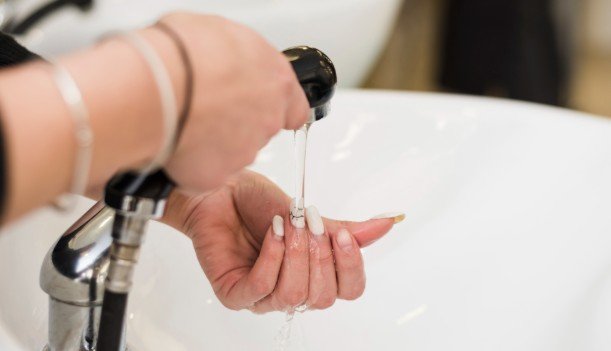
A brief warm-water soak can soften hard skin and make a hangnail easier to manage. Soak the fingertip for five to ten minutes, pat it dry, and apply moisturizer immediately.
Long or frequent soaking may have the opposite effect by increasing moisture loss after the water evaporates. Avoid adding lemon juice, vinegar, or strongly scented essential oils. Acidic and fragranced ingredients may sting or irritate cracked skin.
7. Manage Hangnails Without Pulling Them
A hangnail is a torn piece of skin beside the nail. Pulling or biting it can tear living tissue, cause bleeding, and create an opening for bacteria.
After softening the area, use clean, sharp nail clippers to trim only the loose piece. Do not cut into attached skin. Apply petroleum jelly and, if needed, cover the fingertip with a clean bandage to prevent picking.
8. Stop Cutting or Aggressively Pushing Cuticles
The living skin at the base of the nail provides important protection. Cutting too deeply or pushing forcefully can lead to soreness, inflammation, and infection.
If you push back the cuticle area for a manicure, soften it first and use gentle pressure. Never continue if the process hurts. Salon instruments should be properly cleaned and sterilized, and existing cracks should be allowed to heal before another manicure.
9. Take a Break From Irritating Nail Products
Acetone, nail adhesives, removers, and repeated gel or acrylic manicures may worsen dehydration. Taking a temporary break gives the surrounding skin time to recover.
When using remover again, limit contact with the skin and moisturize afterward. If dryness appears after a particular polish, adhesive, or nail-care product, discontinue it because the reaction could be irritant or allergic contact dermatitis.
How Long Does Healing Take?
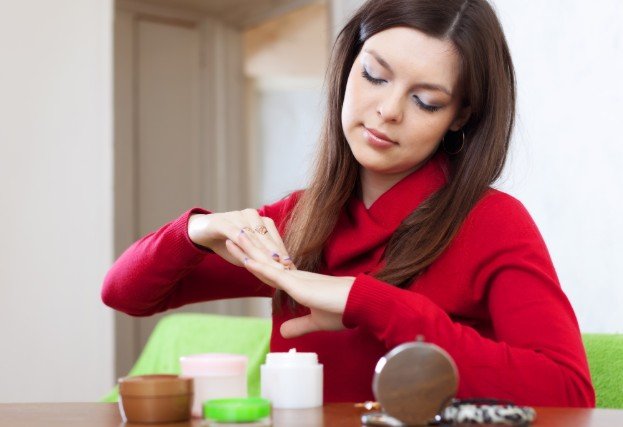
Minor roughness may improve within a few days of consistent moisturizing. Cracks, hangnails, and significant irritation can take one to two weeks or longer, particularly if frequent washing or chemical exposure continues.
Consistency is essential. Apply cream after washing, oil when convenient, and an occlusive treatment before bed. Severe symptoms that fail to improve may have an underlying cause requiring professional evaluation.
When Should You Seek Medical Care?
Seek medical advice if the area becomes increasingly painful, warm, swollen, or intensely red. Pus, red streaks, bleeding that does not stop, or changes in the nail may indicate infection or another condition.
Recurring symptoms can also be associated with eczema, psoriasis, chronic paronychia, allergies, or occupational exposure. Avoid trying to drain a swollen nail fold at home.
Frequently Asked Questions
1. What are the best home remedies for dry cuticles?
A fragrance-free hand cream followed by petroleum jelly is one of the simplest combinations. Jojoba or coconut oil can provide additional softness, while overnight cotton gloves help keep the treatment in place.
2. Can petroleum jelly heal cracked cuticles?
Petroleum jelly reduces water loss and protects damaged skin. Apply it over moisturizer for better hydration, particularly before bed or after handwashing.
3. Should I cut peeling cuticles?
Do not cut living skin or remove the protective nail fold. You may carefully clip a loose hangnail with clean, sharp clippers, but never pull it.
4. Why are my cuticles dry even when I use oil?
Oil may soften the area without supplying enough water or addressing ongoing irritation. Add a humectant-rich cream, seal it with an occlusive, and reduce exposure to hot water, acetone, and detergents.
Final Thoughts
I have found that a simple routine is more dependable than complicated DIY mixtures. Applying cream after washing, sealing it at night, protecting my hands during wet work, and leaving the living skin intact addresses both moisture loss and repeated damage.
Natural oils can support this routine, but they should not replace basic barrier care. By staying consistent and watching for signs of infection, I can keep the skin around my nails softer, more comfortable, and less likely to split.
Leave a Reply