
When colder weather arrives, I often notice my nails becoming dry before the rest of my hands feel uncomfortable. The tips begin peeling, my cuticles become rough, and polish chips sooner than expected.
I have learned that the best nail care routine for winter depends more on consistent protection than expensive treatments. Moisturizing after washing, wearing gloves, applying cuticle oil, and adjusting manicure habits can prevent much of the seasonal damage.
Why Cold Weather Affects Nail Health
Nails are formed from compact layers of keratin cells. A healthy nail plate contains enough moisture and natural lipids to remain firm but slightly flexible. Cold air, low humidity, and indoor heating encourage moisture to escape, making the plate harder and more likely to split.
Frequent handwashing adds another challenge. Nails absorb water and expand while wet, then contract as they dry. Repeating this cycle throughout the day can weaken the bonds between nail layers. Hot water, harsh soap, cleaning chemicals, sanitizer, and strong polish remover may accelerate the damage.
Winter also affects the cuticles. The cuticle seals the space between the skin and nail plate, helping protect new growth. When this area becomes dry or is aggressively trimmed, it can crack and produce painful hangnails.
Begin the Morning With Moisture
Wash your hands with lukewarm water and a gentle cleanser. Very hot water may feel comforting in cold weather, but it can strip protective oils from the skin around the nails.
Pat the hands dry rather than rubbing them with a rough towel. Apply a rich hand cream while the skin is still slightly damp, working it over the nail plates, fingertips, and cuticles. Ingredients such as glycerin help attract moisture, while ingredients like ceramides, shea butter, squalane, and petrolatum help support the skin barrier and reduce water loss.
Wear warm gloves when going outdoors. Choose a comfortable pair that does not place pressure on longer nails. If a nail is already cracked, trim and file it before putting on gloves so the damaged edge does not catch on the fabric.
Protect Your Nails During the Day
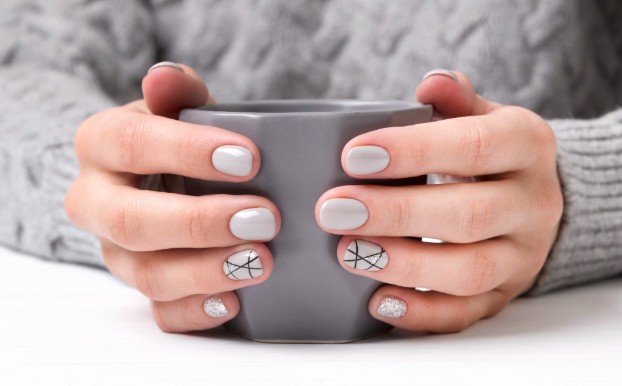
Reapply hand cream after washing whenever possible. Keeping a small tube beside the sink or in a bag makes this habit easier to maintain. When using sanitizer frequently, allow it to dry and then apply cream to reduce the tight, dry feeling it can leave behind.
Wear waterproof gloves while washing dishes, cleaning, gardening, or handling household chemicals. Cotton-lined rubber gloves offer protection while helping control perspiration. Remove them if the lining becomes wet because trapped moisture can soften the nails and surrounding skin.
Avoid using fingernails as tools. Opening cans, scraping labels, pressing stiff buttons, or pulling packaging can place excessive pressure on a dehydrated nail. Use an appropriate tool instead, particularly when the tips already feel brittle.
Apply Cuticle Oil at Night
Bedtime is an ideal opportunity to replace moisture lost during the day. Apply one drop of cuticle oil to each nail and massage it into the nail plate, cuticle area, sidewalls, and underneath the free edge.
Jojoba, sunflower, squalane, avocado, and sweet almond oils are common options. Anyone with allergies should inspect the ingredient list carefully. The most effective oil is usually one that absorbs comfortably and is convenient enough to use every evening.
For severely dry nails, layer a thick hand cream or plain petroleum ointment over the oil. Wearing cotton gloves overnight can help keep the treatment in place. This intensive method is useful for rough cuticles and recurring hangnails, but it should not be applied over swollen, painful, or potentially infected skin without professional guidance.
Create a Gentle Weekly Nail Routine
Once a week, remove any polish carefully and inspect the nails under good lighting. Check for cracks, peeling, unusual discoloration, soreness, or separation from the nail bed. Regular inspection prevents cosmetic products from concealing a developing problem.
Use clean, sharp clippers to shorten the nails. Cut mostly straight across, then gently round the corners. Smooth rough edges with a fine-grit or glass file. Filing in controlled strokes places less stress on fragile tips than aggressive sawing movements.
Avoid heavy buffing. It may temporarily make ridges or peeling areas look smoother, but it also removes part of the nail plate. Repeated buffing can leave already fragile nails thinner and more flexible.
Finish the weekly routine with cuticle oil and hand cream. Keeping vulnerable nails relatively short reduces leverage and makes accidental breaks less likely while the damaged sections grow out.
Change the Way You Apply and Remove Polish

Regular nail polish can provide a temporary protective coating, but careless removal may cause more dryness. Apply a suitable base coat before color to reduce staining and create a smoother surface. Use thin layers and allow each coat sufficient drying time.
Choose a non-acetone remover when practical, especially if the nails are already dry. Do not scrape off regular polish or peel away gel, acrylic, or other enhancements. Peeling can pull away layers of the natural nail and leave it thin, uneven, and sensitive.
Apply cuticle oil after completing a manicure instead of immediately before painting. Oil left on the nail plate can prevent polish from adhering correctly. Healthy cuticles should be moisturized rather than cut. Only detached hangnails should be clipped carefully with clean tools.
Adjust Care for Different Nail Problems
Peeling nails benefit from shorter length, reduced water exposure, gentle filing, and regular oiling. Hard, brittle nails generally need more flexibility from oils and creams rather than repeated coats of powerful hardener.
Soft nails should be protected from prolonged water exposure and harsh chemicals. A suitable strengthening base coat may provide temporary support, but excessively rigid formulas are not appropriate for every nail type.
Nails damaged by gel or acrylic removal require patience. They cannot heal in the same way as living skin because the visible nail plate consists of dead keratin cells. The damaged section must gradually grow out. Keep nails short, moisturize them consistently, and avoid immediately covering severe damage with another enhancement.
Know When to Seek Professional Help
Seasonal dryness should improve when you protect nails from water damage and moisturize consistently. However, sudden or persistent changes should not automatically be blamed on cold weather.
Seek professional guidance if a nail becomes painful, swollen, unusually thick, deeply grooved, detached, or significantly discolored. Dark streaks, bleeding, redness around the nail, or failure to grow also require attention. These symptoms may be connected to an injury, infection, skin condition, nutritional problem, or another health issue.
Frequently Asked Questions
1. What is the best nail care routine for winter?
The best nail care routine for winter combines hand cream after every wash, nightly cuticle oil, gloves during wet work and cold weather, gentle weekly filing, and careful polish removal.
2. How often should cuticle oil be used?
Apply cuticle oil at least once daily, preferably before bed. Very dry nails may benefit from additional applications after handwashing.
3. Should nails be left unpolished during winter?
Nails do not need to breathe, but occasional polish-free periods make it easier to examine their condition and reduce exposure to remover.
4. How quickly can dry winter nails improve?
Cuticles may feel softer within several days. Damage within the nail plate takes longer because healthier nail material must grow from the base.
Final Thoughts
I have found that simple habits deliver better results than occasional intensive treatments. By connecting hand cream with washing, gloves with cleaning, and cuticle oil with bedtime, I can protect my nails without making the routine difficult.
Consistency is what helps nails remain flexible, smooth, and comfortable throughout cold weather. When dryness continues despite careful treatment or unusual changes appear, I would seek professional advice instead of repeatedly hiding the issue beneath polish.
Leave a Reply