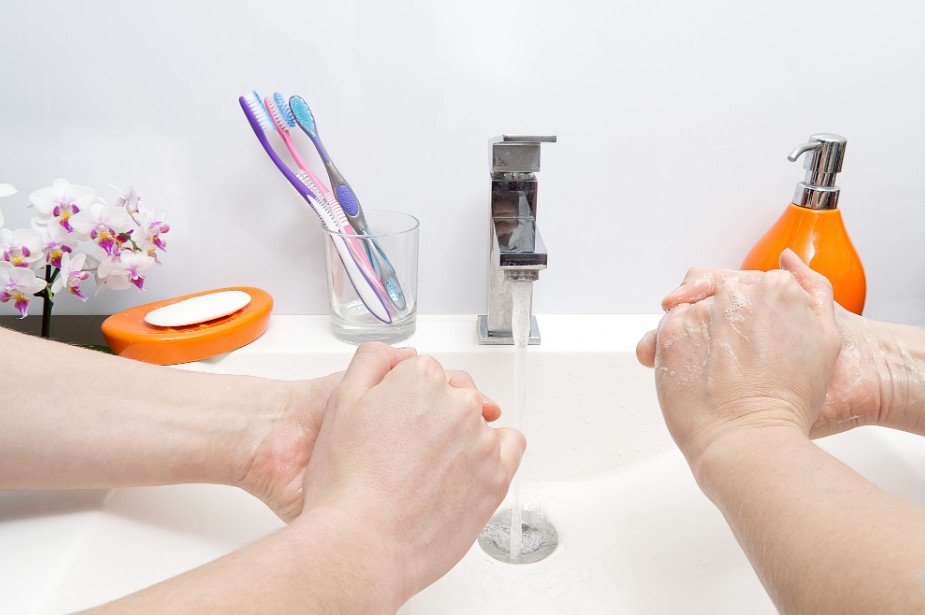
Washing my hands regularly helps me maintain good hygiene, but I have noticed that repeated exposure to water and soap can leave my fingernails dry, soft, and vulnerable to splitting.
The problem can become worse when I also use hand sanitizer, wash dishes, or handle cleaning products throughout the day. I follow these nail care tips for frequent hand washing to protect my nails without compromising necessary hygiene.
Why Frequent Hand Washing Can Weaken Nails
Fingernails are formed from compact layers of keratin. Although the nail plate appears solid, it can absorb water. Nails temporarily swell when they become wet and contract again as they dry. Repeating this cycle many times during the day can place stress on the nail’s layered structure.
Soap can also remove some of the natural oils that help keep the nail plate and surrounding skin flexible. Over time, nails may become brittle, develop rough edges, or start peeling into thin layers. The cuticles can become dry and cracked as well, increasing the risk of painful hangnails.
Hand washing should not be reduced when it is necessary for hygiene. Instead, the washing and aftercare routine can be adjusted to limit avoidable damage.
Understanding what weakens the nail plate is the first step toward following effective nail care tips for healthy nails and preventing avoidable damage.
Use Lukewarm Water Instead of Hot Water
Hot water is not necessary for ordinary hand washing and may remove protective oils more aggressively, potentially contributing to dry cuticles. Lukewarm or comfortably cool running water can clean the hands effectively when combined with soap and proper washing technique.
Hands should be rinsed thoroughly so that soap residue does not remain around the cuticles or underneath the free edges of the nails. After washing, they should be gently patted dry with a clean towel rather than rubbed vigorously. Special attention should be given to the spaces between the fingers and around the nails, where lingering moisture can irritate sensitive skin.
Choose a Gentle Hand Cleanser
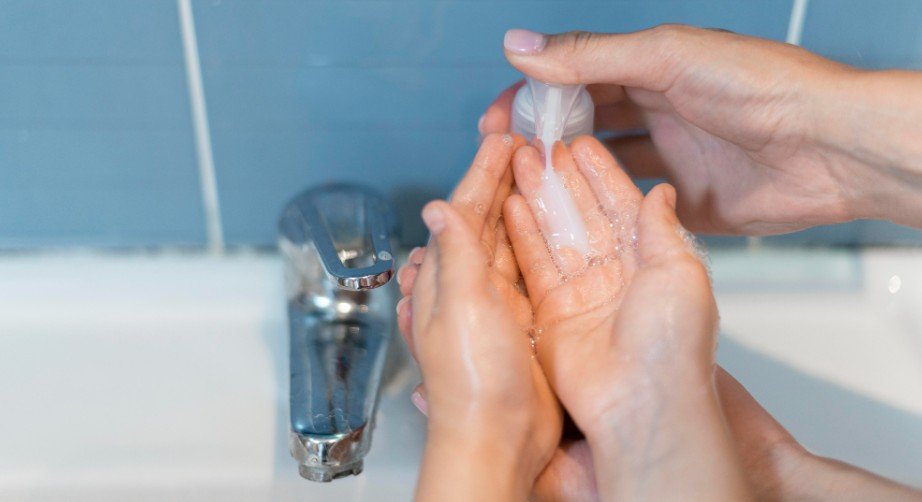
Strong fragrances, harsh detergents, and unnecessarily aggressive cleansing ingredients may contribute to dryness. A mild cleanser is generally a better everyday option for someone who washes repeatedly.
Changing to a gentler cleanser does not mean sacrificing cleanliness. The washing technique, duration, and situations in which hands are washed remain important. People who work in healthcare, food preparation, childcare, or other regulated environments should continue following the hygiene products and procedures required by their workplace.
Moisturize Immediately After Washing
Moisturizing after each wash is one of the most useful habits for dry nails and cuticles. It is best to apply the product while the skin is completely dry but still slightly hydrated from washing.
The moisturizer should be massaged over the hands, nail plates, cuticles, and skin surrounding each nail. A thin application is often enough during the day. Creams and ointments usually provide a more substantial protective layer than lightweight, water-based lotions.
Ingredients such as petrolatum, glycerin, ceramides, lanolin, shea butter, and dimethicone may help reduce moisture loss. Anyone with sensitive skin should consider fragrance-free options and stop using a product that causes burning, itching, or redness.
Add Overnight Moisture
A thicker cream or ointment can be applied before bed when daytime applications are not enough. Covering the hands with clean cotton gloves may help keep the product in place overnight.
Cuticle oil can complement this routine, particularly when the skin around the nails feels stiff or flaky. However, oil should support a complete moisturizing routine rather than replace hand cream entirely.
Wear Gloves for Prolonged Wet Work
Ordinary hand washing is brief, but dishwashing, bathroom cleaning, gardening, and similar tasks can keep nails wet for much longer. Protective gloves help reduce prolonged exposure to water, detergents, and household chemicals.
Gloves should fit comfortably and remain dry inside. Keeping damp gloves on for an extended period can trap moisture against the skin and cause irritation. Cotton-lined household gloves may be more comfortable for longer cleaning tasks. Gloves should be removed periodically if the hands become sweaty.
Keep Vulnerable Nails Short and Smooth
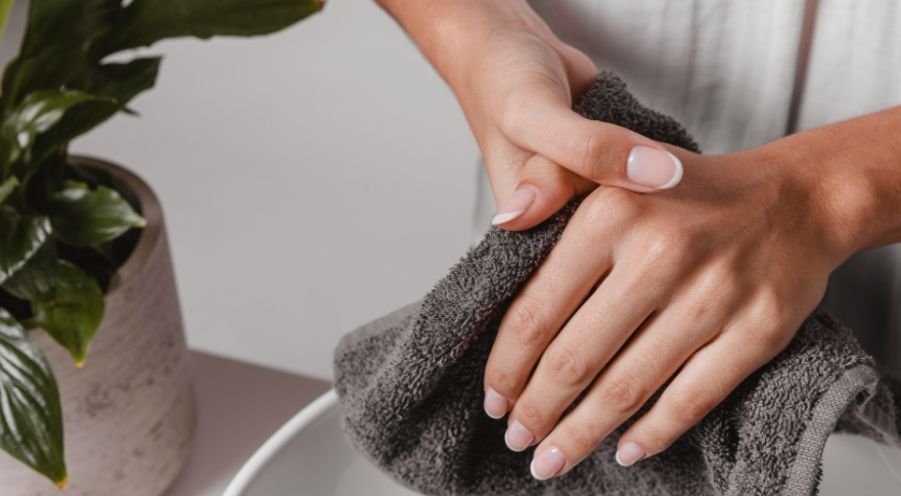
Long nails are more likely to catch, bend, or break when they have already been weakened by repeated water exposure. Keeping them at a practical length reduces mechanical stress.
Nails are easier to trim after they have softened slightly, but filing is generally better when they are dry. A fine-grit file can smooth rough edges before a small split grows larger. Gentle strokes are preferable to aggressive back-and-forth sawing.
Nails should not be used to open containers, scrape labels, or pry objects apart. These everyday actions can worsen splitting even when the washing routine is carefully managed.
Protect the Cuticle Barrier
Cuticles help seal the area where the nail emerges from the skin. Cutting them deeply, picking them, or pushing them back aggressively can damage that natural barrier.
A hangnail should never be pulled or bitten. It can be carefully clipped with a clean tool without cutting living skin. Redness, swelling, increasing pain, warmth, or pus around a nail may indicate an infection and should receive appropriate medical attention.
Reduce Additional Nail Stress
Repeated washing may not be the only cause of brittle nails. Acetone-based remover, frequent polish changes, aggressive buffing, gel removal, acrylic enhancements, and picking off polish can add further stress.
When nails are peeling or splitting, temporarily simplifying the manicure routine may help. Existing damage will not disappear immediately because the affected section must grow forward before it can be trimmed away. Consistent protection is more valuable than expecting a strengthening product to repair a split instantly.
During warmer months, simplifying your manicure routine and following seasonal summer nail care tips can also help reduce additional stress on nails that are already prone to peeling or splitting.
Frequently Asked Questions
1. What are the best nail care tips for frequent hand washing?
Use lukewarm water, choose a gentle cleanser, dry the hands thoroughly, and apply moisturizer over the hands, nails, and cuticles after washing. Wear protective gloves during prolonged wet work and keep fragile nails short.
2. Does hand sanitizer damage fingernails?
Repeated sanitizer use may contribute to dryness, but its effect depends on the formulation, frequency of use, and condition of the nails and surrounding skin. Follow hygiene requirements and moisturize after the sanitizer has dried.
3. How long do damaged fingernails take to recover?
Visible improvement takes time because damaged nail material must grow out. Fingernails commonly require several months to replace most of the visible nail plate. New growth should be protected consistently.
4. When should brittle nails be examined?
Professional advice is appropriate when nail changes are sudden, painful, severe, or persistent. Swelling, pus, substantial lifting, unusual discoloration, deep grooves, or a changing dark streak should not be treated as routine dryness.
Final Thoughts
I do not try to avoid necessary hand washing just to protect my nails. Instead, I make the moments immediately after washing count. I dry carefully, apply moisturizer, protect my hands during longer wet tasks, and avoid treating my fingernails like tools.
I also remember that improvement happens gradually. By reducing repeated water stress and protecting new nail growth, I can maintain clean hands while giving my nails and cuticles the support they need to remain smooth, flexible, and healthy.
Leave a Reply