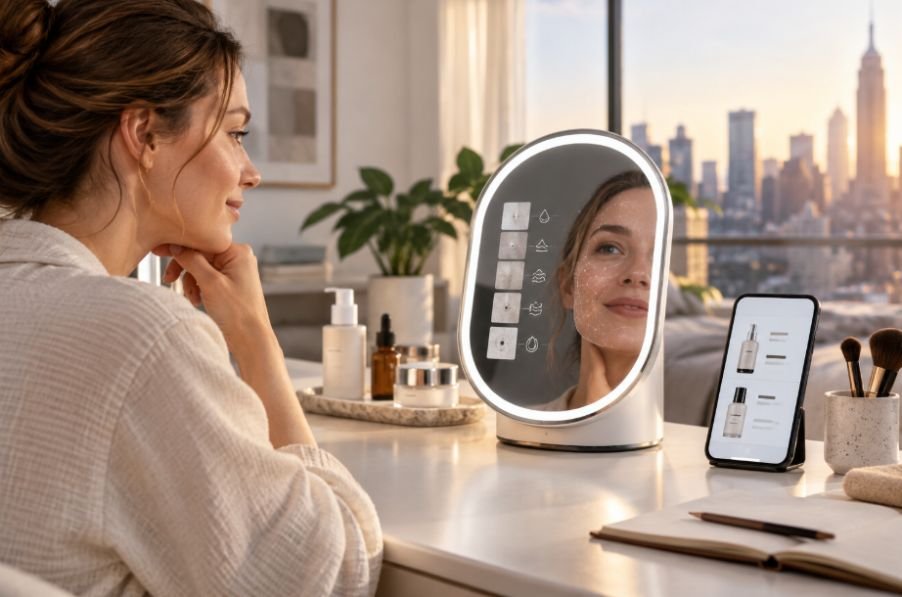
I started noticing a change in the beauty aisle when products stopped talking only about what they could do and started reacting to who was using them. A styling tool might sense temperature, a skincare device might assess skin, and an app can turn measurements into a routine that feels more personal than generic products.
I realized the bigger shift was not simply that beauty gadgets were becoming smarter. Technology was beginning to adapt to individual habits, features, and preferences. That makes the rise of personalized beauty technology interesting: it moves beauty from fixed choices toward tools that can adjust along the way.
Beauty Technology Is Moving Beyond Basic Tools
For years, beauty technology mostly meant adding power to familiar objects. Hair dryers became faster, brushes gained settings, and curling irons offered different heat levels.
That model is changing. Newer devices can use sensors, cameras, software, and connected apps to gather information and respond to it. A smart tool may consider skin tone, hair characteristics, pressure, movement, or preferences before adjusting.
What Makes a Beauty Device Personalized?
Personalization starts with information. Sensors can measure inputs, cameras can capture visual information, and software can interpret those signals. AI and machine learning can turn data into recommendations or adjustments.
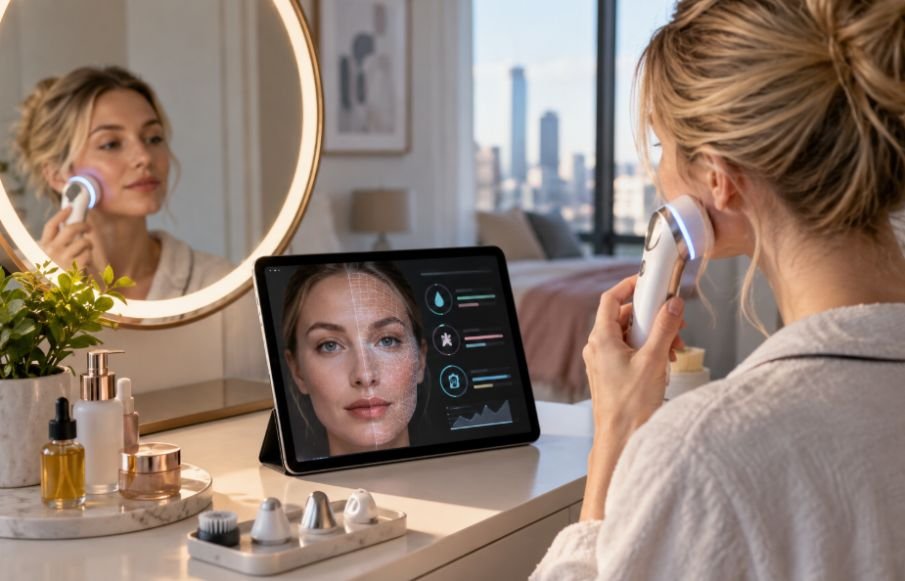
A smart mirror can combine cameras, software, and sensors to create an interactive experience based on user information. Research has explored computer vision, passive monitoring, and personalization.
A smart beauty mirror with skin analysis technology can combine cameras, software, and sensors to create an interactive experience based on user information.
There is a difference between storing preferences and actively adapting performance. A tool that remembers your favorite setting is convenient. A tool that detects a changing condition and adjusts its behavior is more responsive. That distinction matters as consumers become more skeptical of “smart” claims.
Where Personalization Is Showing Up
Skincare is one of the clearest areas for personalized beauty technology. AI-assisted analysis can examine visible characteristics and recommend products, routines, or treatment settings.
Skincare is one of the clearest areas for personalized beauty technology. LED face masks with multiple light wavelengths are another example of technology being incorporated into at-home skincare routines. AI-assisted analysis can examine visible characteristics and recommend products, routines, or treatment settings.
Smart mirrors are also moving toward tracking changes over time. Recent demonstrations have included analysis of pores, pigmentation, redness, and wrinkles.
Haircare is developing along a similar path. Heat styling tools can combine temperature management with sensors designed to monitor how a tool is being used. That opens the door to more controlled styling instead of simply increasing heat when a result takes longer than expected.
For someone who styles hair regularly, automatic curling tools for effortless styling show how personalization can become practical rather than futuristic. The value is a tool that reduces guesswork while fitting naturally into an existing routine.
Why Consumers Are Embracing Smarter Beauty Tools
Convenience is an obvious reason. Makeup tools that simplify everyday routines can reduce the time and effort needed to get ready, while personalized devices can reduce decisions each morning. Instead of remembering which temperature or routine worked last time, technology can help reproduce a suitable experience.
A personalized device can reduce decisions each morning. Instead of remembering which temperature or routine worked last time, technology can help reproduce a suitable experience.
Consumers also expect personal-care products to recognize differences in skin tone, hair texture, sensitivity, lifestyle, and personal goals. Technology gives brands more ways to respond to that variation.
The shift also connects with inclusivity. Better sensing can potentially make beauty technology more useful across a wider range of people, although performance depends on the underlying technology and data. Research describes personalization as part of a broader convergence between connected devices and AI.
The Price Question
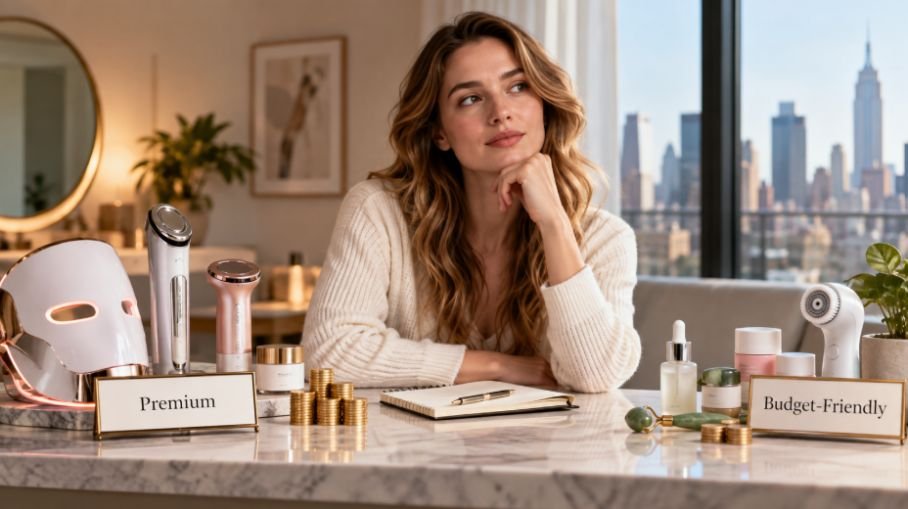
Personalization often comes with a premium price tag, but expensive does not automatically mean more useful. A device packed with sensors may offer little value if its features solve no real problem.
That makes expensive beauty devices versus affordable alternatives an important comparison for shoppers. An affordable tool with reliable temperature control may be more useful than a premium device whose advanced features rarely get used. The better comparison considers performance, durability, and value.
What Personalization Still Cannot Solve
Smart technology has limits. A camera-based skin assessment can be affected by lighting, camera quality, image angle, and other conditions. Recommendations are only as reliable as the data behind them.
Privacy is another concern. Beauty devices may collect images, measurements, usage patterns, or other personal information. Connected systems can create useful long-term data, but they need strong safeguards and clear controls. Researchers studying smart mirrors have identified privacy and data security as major challenges for systems that collect information passively.
There is also a line between beauty personalization and medical diagnosis. A consumer device can provide useful information without being qualified to diagnose a health condition. Treating an algorithmic recommendation as a professional diagnosis can create false confidence.
What Comes Next for Personalized Beauty
The next stage may be less about individual gadgets and more about connected ecosystems. A mirror, styling tool, skincare device, and smartphone app could share information about a person’s routine.
CES 2026 featured systems combining AI analysis, sensors, smart mirrors, and connected skin and hair care.
The bigger question is how much personalization people actually want. Some consumers will welcome automation, while others will prefer simple tools. Good beauty technology will need to respect both preferences.
Frequently Asked Questions
1. What is personalized beauty technology?
It uses data, sensors, AI, or connected software to tailor beauty products, devices, recommendations, or settings to an individual user. The goal is to make a routine more responsive to personal characteristics, habits, or preferences.
2. How is AI changing beauty routines?
AI can analyze images or user information, identify patterns, and help recommend products, routines, shades, or device settings based on individual characteristics. It can also help devices adjust automatically when the technology supports adaptive controls.
3. Are smart beauty devices worth the higher price?
It depends on whether personalization solves a real problem. A simpler device can be better when advanced functions add little real value. Look at how often you will use the feature, not just how advanced it sounds.
4. Is personalized beauty technology safe?
Users should consider data privacy, product claims, device limitations, and professional advice. Consumer beauty technology should support, not replace, qualified professional care. Follow the manufacturer’s instructions and avoid treating automated results as a diagnosis.
Why Personalization May Become the New Normal
Beauty technology is becoming less about adding another gadget to the bathroom and more about making existing routines responsive. The strongest innovations will likely remove friction, recognize individual differences, and give people useful control without demanding constant attention. Technology is valuable only when it fits real life.
Personalization will not replace human judgment. But when smart tools genuinely understand the task, they can make everyday care feel more precise, consistent, and personal.
Leave a Reply