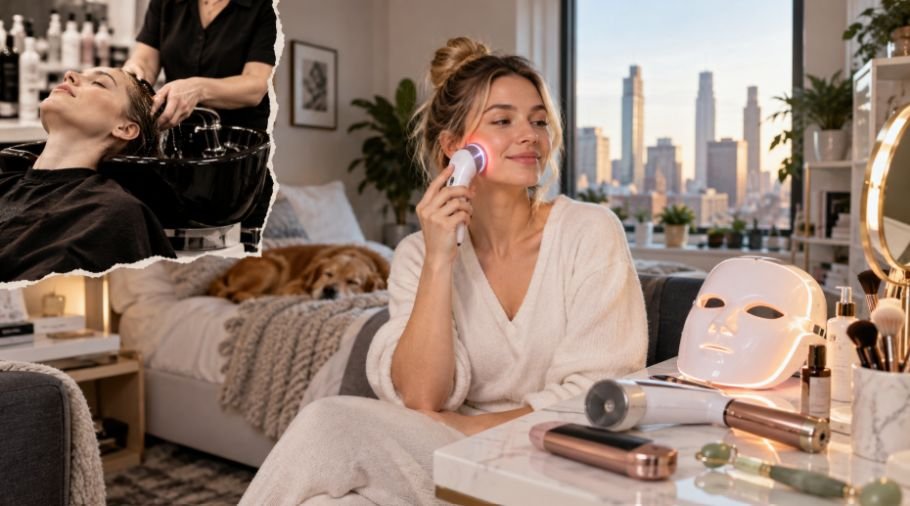
I started noticing that salon appointments were no longer automatic parts of my beauty routine. A treatment that once felt like a regular expense began competing with other monthly costs. At the same time, beauty devices became easier to find, easier to understand, and less intimidating than they used to be. What caught my attention was not just the technology, but how naturally people were fitting it into routines they already had.
I found myself seeing a different kind of beauty consumer emerge. Instead of choosing between professional care and doing nothing, people were building a middle ground at home. A light therapy mask, hair-removal device, cleansing tool, or smart skincare system could handle maintenance between appointments. That shift helps explain why consumers are replacing salon visits with beauty tech, especially when convenience, cost, and control all matter at once.
Cost Is Changing the Salon Equation
Beauty services add up quickly when appointments happen every few weeks. A treatment may seem manageable, but repeated visits create a recurring expense.
At-home beauty tech changes the spending pattern. Instead of paying for every session, a consumer pays upfront for a device and can use it repeatedly. The math is not automatically better for every product, since quality devices can be expensive and some require replacement parts or accessories. Still, frequent users may see stronger value over time.
That matters most for maintenance. Consumers who want to extend the time between professional appointments can use home treatments as part of their regular routine, rather than treating technology as a complete replacement for every salon service.
Convenience Has Become Part of the Result
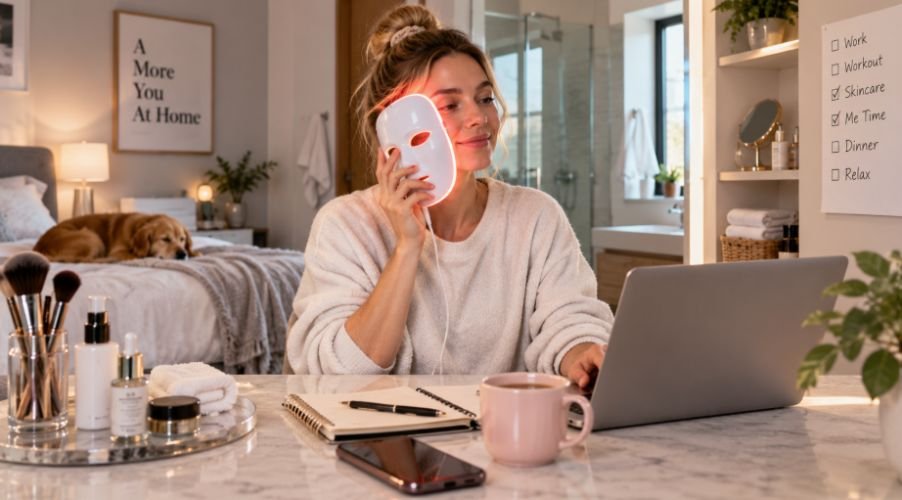
Time is another major reason the shift is happening. A salon appointment involves more than treatment time. There may be driving, parking, waiting, scheduling, and rearranging work or personal plans around the appointment.
At-home devices remove much of that friction. Someone can use a skincare device while following a nighttime routine or handle a treatment on a schedule that fits their week. That flexibility makes consistency easier, especially when a device is designed for repeated use.
Personalization Is Making Devices Smarter
Older beauty gadgets often offered a simple function: turn the device on and use it. Newer beauty tech increasingly focuses on personalization. Smart systems can combine sensors, app-based tracking, skin analysis, treatment settings, and usage reminders to make routines feel more tailored.
That connects with the rise of personalized beauty technology, where consumers expect products to respond to individual needs instead of offering one routine for everyone.
AI can make this experience feel even more customized. Skin analysis tools may help users identify concerns such as the difference between dry skin and dehydrated skin, uneven tone, or visible signs of aging, then suggest routines or product combinations.
These systems can help organize choices, but consumers should still treat automated recommendations as guidance rather than a substitute for professional diagnosis.
Results Are Raising Consumer Expectations
The technology itself has also improved. LED devices, microcurrent tools, IPL systems, facial cleansing devices, and other home technologies have become more sophisticated and widely marketed around specific beauty concerns.
That does not mean an at-home device produces identical results to a professional treatment. Professional equipment, training, treatment intensity, and individualized assessment can create meaningful differences. The attraction is that consumers can now access technologies that once felt restricted to salons or specialized settings.
Perceived effectiveness matters because consumers are unlikely to keep using a device simply because it looks futuristic. A product needs to fit a real concern, feel manageable, and produce results that justify repeated use.
Some Treatments Still Belong in Professional Hands
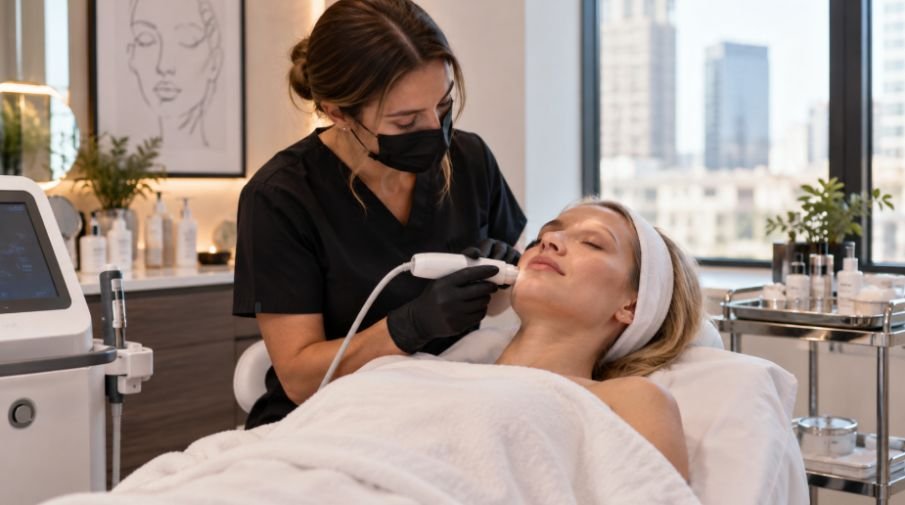
The salon shift has limits. Certain procedures require professional training, specialized equipment, or medical oversight. More intensive treatments can carry risks that consumers may not recognize when watching a short demonstration online.
Safety should therefore be part of the buying decision. Consumers need to understand what a device is designed to do, follow its instructions, and recognize when a beauty concern needs professional assessment. For some procedures, home use is not an appropriate substitute.
The smarter way to view beauty tech is as an additional layer of personal care. It can handle routine maintenance, support consistency, and sometimes reduce how often a person needs a professional appointment. It does not erase the value of expertise.
Choosing Technology Instead of Another Appointment
A consumer comparing devices should look beyond the sticker price. The useful questions are practical:
- How often will the device realistically be used?
- What specific concern is it designed to address?
- What is the total cost after accessories or replacements?
- What evidence supports its intended use?
- Are there safety restrictions or situations where professional care is preferable?
This is where expensive beauty devices versus affordable alternatives become a useful comparison rather than a simple price contest. A cheaper product may offer enough functionality for occasional maintenance, while a more expensive device may make sense for someone who plans to use it frequently. The right choice depends on the routine, not the prestige of the device.
Frequently Asked Questions
1. Why are consumers turning to beauty tech?
Rising salon costs, convenience, flexible scheduling, and the ability to maintain routines at home are major reasons. Consumers also have more device options than before.
2. Can beauty devices replace salon treatments?
Some devices can reduce the need for routine maintenance appointments, but they cannot replicate every professional service. Treatment intensity, expertise, and safety requirements vary.
3. Are expensive beauty devices worth buying?
They can be worthwhile for frequent users, but price alone does not prove effectiveness. Intended use, evidence, durability, and realistic treatment goals matter more.
4. Is AI changing at-home beauty routines?
Yes. AI-assisted analysis and connected tools can personalize recommendations and track routines, although they should not replace professional diagnosis.
The Beauty Routine Is Becoming More Hybrid
The bigger change is not that salons are disappearing. Consumers are becoming more selective about when professional expertise is worth paying for and when technology can handle routine upkeep at home. That creates a hybrid beauty routine in which devices fill gaps between appointments, stretch the time between services, and give people more control over how they spend money and time.
Beauty tech succeeds when it solves an ordinary problem without creating another one. The most useful devices are the ones people can understand, afford, use consistently, and fit comfortably into real life.
Leave a Reply