I used to assume that redness after a manicure was simply the price of having polished nails. However, burning cuticles, peeling fingertips, persistent itching, and swollen skin are not normal results. They may indicate irritation, damage to the skin barrier, or an allergy to something in the manicure.
Effective nail care for sensitive skin begins with reducing unnecessary chemical exposure while protecting the nail plate and surrounding skin. A careful routine can include fragrance-free products, conservative cuticle care, regular moisturizing, clean tools, and cautious polish removal. It is equally important to recognize when an apparent sensitivity may require a dermatologist or allergist.
Understand Why Nail Products Cause Reactions
Sensitive skin can react when soaps, sanitizers, removers, adhesives, or manicure products strip moisture from its protective barrier. This is often irritant contact dermatitis, which may cause dryness, stinging, redness, or cracking.
Allergic contact dermatitis is different. It occurs when the immune system becomes sensitized to a particular substance. Nail polish resins, acrylates, methacrylates, fragrances, preservatives, and nail adhesives can trigger reactions in susceptible individuals.
Symptoms do not always remain around the nails. People frequently touch their eyelids, cheeks, mouth, and neck, transferring small amounts of product to these areas. Consequently, an unexplained eyelid or facial rash may occasionally be connected to a recent manicure.
Choose Products by Ingredients, Not Marketing
Terms such as “clean,” “natural,” and “hypoallergenic” can sound reassuring, but they do not guarantee that a product will suit every person. I recommend reading the full ingredient list instead of depending entirely on front-label claims.
Polishes labeled 3-free, 5-free, or 10-free exclude selected ingredients, but these terms are not interchangeable across every brand. A 10-free formula may still contain another substance, such as methacrylate, that causes irritation or an allergy. Similarly, HEMA-free gel does not necessarily mean acrylate-free.
Water-based or traditional air-dried polish may be a practical alternative for someone who has experienced problems with gel systems. Fragrance-free hand creams and cuticle products can also reduce avoidable exposure. Anyone with a confirmed allergy should follow the allergen-avoidance guidance provided by a qualified clinician.
Protect the Cuticle Barrier
Cuticles are not useless pieces of skin. They help seal the space between the nail plate and surrounding tissue, limiting the entry of water, bacteria, and other unwanted substances.
Cutting healthy cuticles aggressively can leave the area sore and vulnerable. Instead, soften them gently and push them back only when necessary. Do not pull hangnails, because tearing living skin can cause bleeding and create an opening for infection. Clip only the loose portion with sanitized nippers.
The same gentle approach applies to filing. Use a clean fine-grit or glass file, avoid forceful back-and-forth filing, and stop if the skin becomes tender. Keeping nails moderately short can reduce snagging and accidental trauma.
Keeping nails moderately short can reduce snagging and accidental trauma, while consistent gentle care can support your efforts to grow nails faster and stronger.
Moisturize After Water Exposure
Repeated handwashing, dishwashing, household cleaning, and sanitizer use can remove oils from the nails and skin. Apply an unscented cream or ointment after washing and before bed.
Petroleum jelly can help seal moisture into dry cuticles and brittle nail edges.
Cuticle oils can improve flexibility and reduce a rough appearance, but botanical ingredients are not automatically allergy-safe. People sensitive to fragrance, lanolin, nuts, or certain plant extracts should examine the label carefully.
If frequent handwashing is making your nails and cuticles especially dry, these nail care tips for frequent hand washing can help you adjust your daily routine without reducing necessary hygiene.
Wear protective gloves when washing dishes or handling cleaning solutions. If sweating inside waterproof gloves causes irritation, a clean cotton liner can make them more comfortable.
Use Polish and Remover Carefully
Keep polish, primer, glue, and uncured gel away from the skin. If a product floods the cuticle or sidewall, correct it according to the manufacturer’s directions rather than curing it onto the skin.
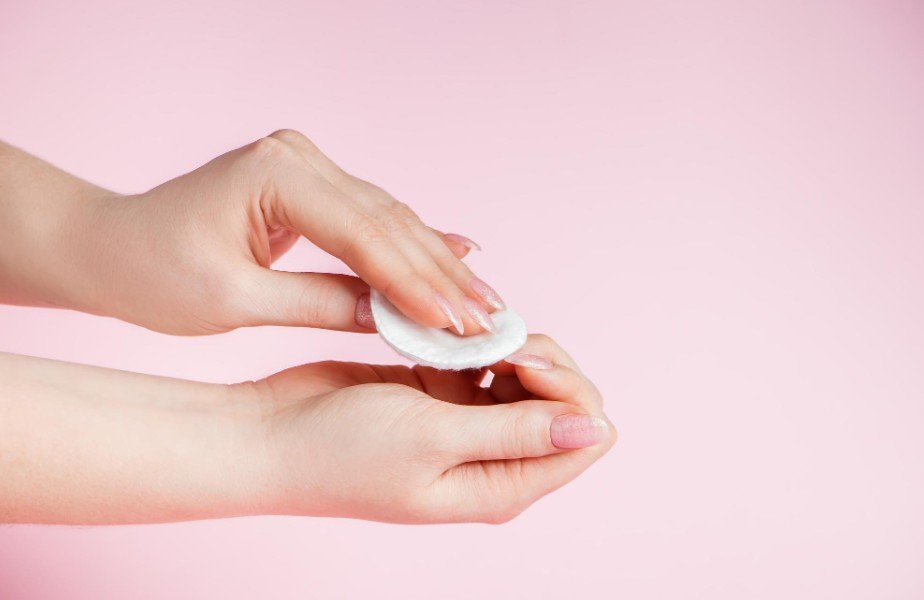
Acetone is effective but may leave the nail plate and surrounding skin dry. When removal requires acetone, limit contact to the nails instead of soaking the entire hand. Never peel, scrape, or pry off gel because the process can remove superficial layers of the natural nail.
After removal, wash gently, dry thoroughly, and apply a moisturizer. A polish-free break can be helpful if nails feel thin, dry, or tender.
Be Cautious With Gel, Dip and Acrylic Systems
Gel, dip, acrylic, press-on adhesives, and nail wraps may contain acrylates or cyanoacrylates. Improper curing and product touching the skin can increase exposure to uncured ingredients.
Use the lamp specified for the gel system and follow the manufacturer’s curing time. A lamp that turns on is not necessarily compatible with every formula. Avoid mixing unrelated products unless their manufacturers confirm compatibility.
People with recurring nail problems may prefer traditional polish. If a previous manicure caused itching, blisters, swelling, nail lifting, or a facial rash, do not repeatedly experiment with different gels at home.
For UV-cured manicures, skin protection also matters. Broad-spectrum, water-resistant sunscreen or dark fingerless protective gloves can reduce UV exposure to the hands.
Make Salon Safety Part of the Routine
A responsible salon should use properly cleaned and disinfected tools, follow hygienic practices, and answer questions about its products. Tell the technician about previous reactions before the service begins.
Ask the technician not to cut healthy cuticles or apply product over irritated skin. Stop the service if you experience burning or unusual discomfort. Pain should not be treated as proof that a treatment is working.
Recognize When Professional Help Is Needed
Seek medical advice for reactions that recur, spread, blister, ooze, or cause significant swelling. Nail separation, severe pain, pus, warmth, or increasing redness may require prompt assessment.
A dermatologist or allergist can determine whether the problem is irritation, eczema, infection, psoriasis, or an allergy. Formal patch testing may identify specific allergens. A casual home spot test cannot reliably exclude delayed allergic contact dermatitis.
Facial swelling, breathing difficulty, faintness, or a rapidly worsening widespread reaction requires urgent medical care.
Frequently Asked Questions
1. What is the safest nail care for sensitive skin?
There is no single routine guaranteed to be safe for everyone. Start with fragrance-free moisturizer, clean tools, conservative cuticle care, limited solvent contact, and traditional polish if gel causes problems. Stop using any product associated with a recurring reaction.
2. Does hypoallergenic nail polish prevent allergies?
No. “Hypoallergenic” generally indicates that a manufacturer expects fewer reactions, but it does not guarantee that the formula lacks your specific allergen.
3. Can acetone damage sensitive skin?
Acetone can remove oils and contribute to dryness or irritant dermatitis, especially with frequent or prolonged exposure. Limit contact to the nail and moisturize afterward.
4. Should I cut my cuticles during a manicure?
Healthy cuticles are usually better left intact. Aggressive cutting can damage the protective seal and increase the risk of inflammation or infection.
A Gentler Path to Healthier Nails
I no longer judge a manicure only by its color or durability. Comfort during application, ingredient awareness, careful removal, and the condition of my skin afterward matter just as much.
A gentle routine cannot prevent every reaction, but it can reduce common irritants and reveal when a product is causing trouble. When symptoms repeatedly return, I would stop guessing and seek professional testing rather than continuing to expose my skin to different formulas.
Leave a Reply