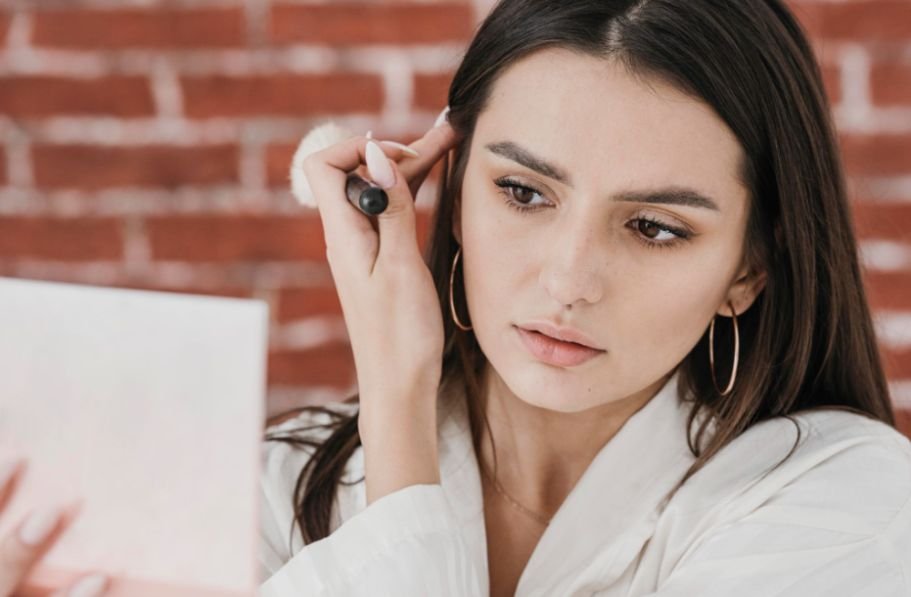
The easiest natural makeup routines do not try to erase every pore, freckle, or bit of texture. I get the best result when I focus on fresh-looking skin and keep every layer light. A no-makeup makeup look for beginners should feel forgiving, quick, and realistic enough for work, school, errands, or a casual weekend.
Once my skincare has settled, I can usually finish this routine in under 10 minutes. The goal is simple: hydrated skin, soft color, groomed brows, defined lashes, and lips that still look like my own.
How Do You Prep Skin for a Natural Makeup Look?
I start with clean, moisturized skin because makeup blends more smoothly over a hydrated base.
If my skin feels unusually dry, tight, irritated, or sensitive after using exfoliating products, I focus on restoring it before applying makeup.
This guide on how to repair the skin barrier after over-exfoliating explains practical steps for getting the skin back to a healthier state.
If my skin feels dry, I pay extra attention to areas where foundation tends to catch. If it is oily, I still moisturize but use a lightweight formula.
For daytime makeup, I apply sunscreen before complexion products. The American Academy of Dermatology recommends broad-spectrum, water-resistant sunscreen with SPF 30 or higher. I let it settle before moving on.
What Is the Best Lightweight Base for Beginners?
Heavy full-coverage foundation can make a barely-there look harder to achieve. If my skin already looks even, I skip foundation. If I want more polish, I use a sheer skin tint, tinted moisturizer, BB cream, or a thin layer of lightweight foundation.
If I only have regular foundation, I can mix a small amount with a compatible moisturizer to sheer it out. I apply the base through the center of my face and blend outward with my fingers or a damp sponge so natural texture can still show.
Even with a lightweight base, uneven application or incompatible skincare underneath can cause makeup to separate. If that happens, these tips on why foundation separates on your face can help identify the likely cause.
Where Should You Apply Concealer for a Natural Finish?
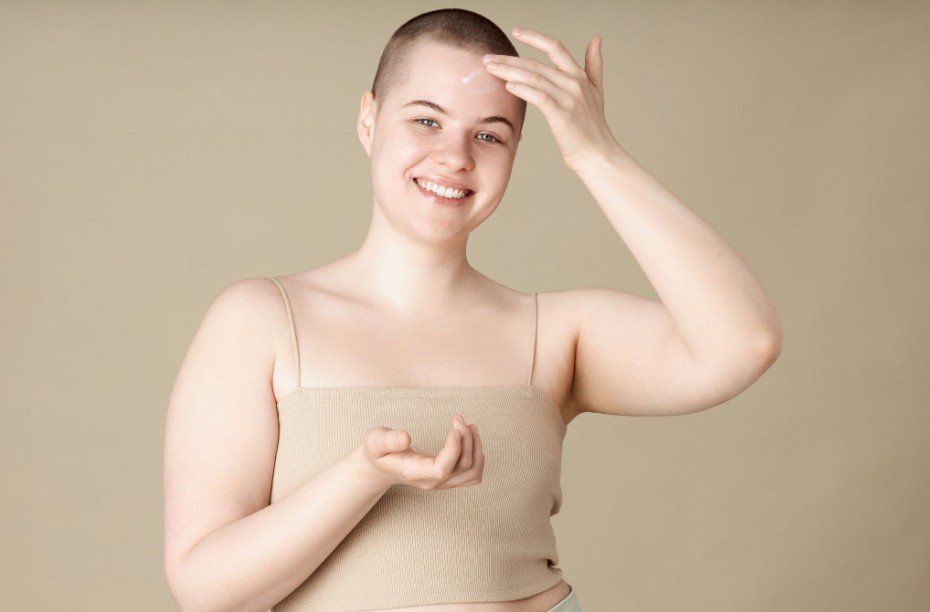
I use concealer only where I need it. I tap a small amount under the eyes where darkness is visible, around the nose for redness, and directly onto blemishes or discoloration.
For small areas, I often use my ring finger and press rather than drag the product. I blend the edges into the surrounding skin so the coverage disappears.
How Do You Apply Blush Without Looking Overdone?
After evening out my complexion, I bring color back with cream or liquid blush because these textures can melt into the base.
I start with a tiny amount of warm peach, pink, or berry on the apples of my cheeks and blend upward toward the temples. For a subtle sun-kissed effect, I tap whatever is left on my finger across the bridge of my nose.
How Should Beginners Do Brows and Eyes?
I brush my brows upward and outward before deciding whether they need extra color. Clear or tinted brow gel may be enough. If I see gaps, I add soft, hair-like strokes rather than filling the entire brow heavily.
For the eyes, I curl my lashes first, then use one thin coat of brown, soft black, or clear mascara. If I want extra definition, I softly blend a neutral brown shade close to the lash line instead of drawing a sharp line.
What Lip Products Look Most Natural?
A tinted balm, lip oil, gloss, or sheer lip color close to my natural lip tone usually gives me the finish I want.
Another simple trick is to dab a little cream lipstick onto the center of the lips and press them together. It creates a soft, just-bitten effect without a sharply painted edge.
Should You Use Powder for This Makeup Style?
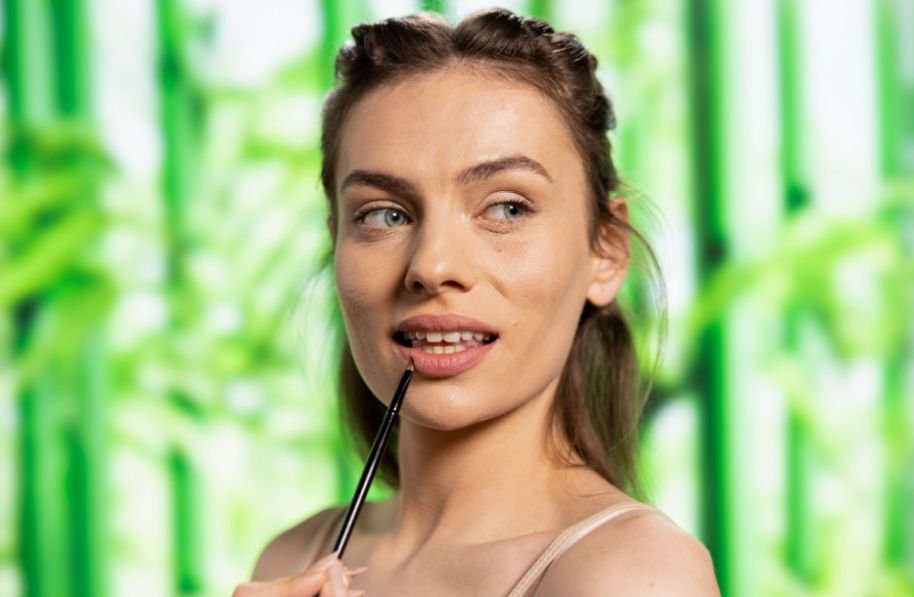
Powder is optional. If my skin is dry, I usually leave most of my face alone so I do not remove the glow. If I get oily, I lightly dust translucent powder only through the T-zone, especially the forehead, nose, and chin.
I also check my makeup in natural light whenever possible. Bathroom lighting can make heavy application harder to notice, while daylight quickly shows whether my base, concealer, blush, or powder looks obvious.
How Do You Adjust the Routine for Dry, Oily, or Textured Skin?
For dry skin, I prioritize hydration and keep cream or liquid layers thin. For oily skin, I use lightweight skincare and control shine only where necessary.
For acne or visible texture, I avoid covering the entire face with heavy foundation. Targeted concealer usually looks more natural because the surrounding skin stays sheer.
What Beginner Mistakes Make Natural Makeup Look Heavy?
The biggest mistake is adding more product before the first layer has been properly blended. Thin layers are easier to control and build.
I also avoid making every feature equally strong. Bold brows, heavy mascara, full foundation, bright blush, and sharply lined lips can overpower a minimal look.
How Can You Do This Look in Five Minutes?
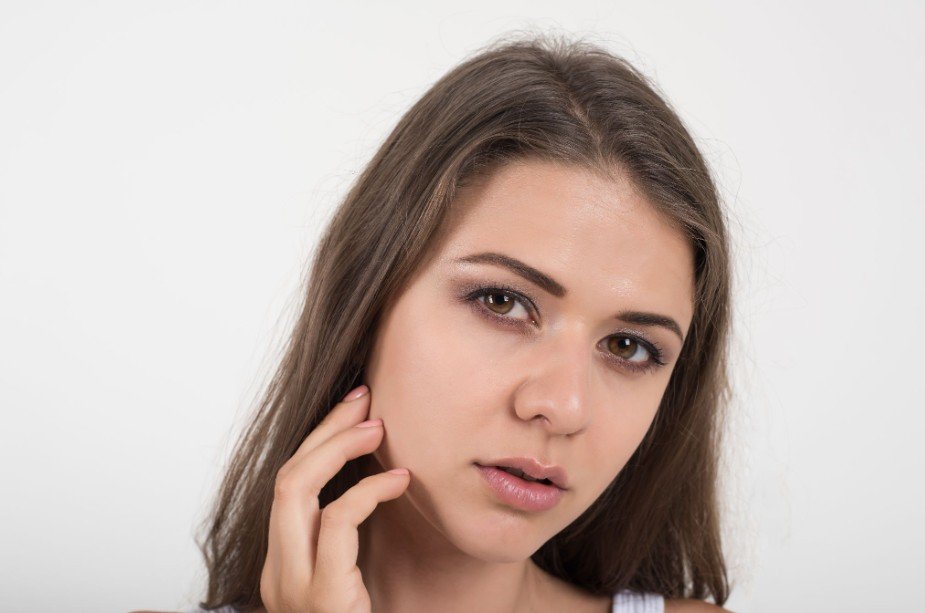
When I am short on time, I simplify the routine to sunscreen, sheer coverage where needed, spot concealer, cream blush, brushed brows, curled lashes with one coat of mascara, and a tinted lip product. I skip anything my face does not need that day.
That flexibility is why I think a no-makeup makeup look for beginners works so well. It does not depend on perfect technique or a long product list. It simply makes me look polished while still looking like myself.
Frequently Asked Questions
1. Can I Do This Without Foundation?
Yes. I often skip foundation when my skin tone already looks fairly even and use concealer only on redness, blemishes, or dark areas.
2. What Is the Difference Between Natural Makeup and No-Makeup Makeup?
Natural makeup can still include noticeable shadow, liner, or lip color. No-makeup makeup aims to make the makeup itself much less noticeable.
3. How Do I Make Minimal Makeup Last All Day?
I let skincare settle, apply thin layers, avoid excess product, and use powder only where oil tends to break through.
4. Is This Routine Good for Someone Who Has Never Worn Makeup?
Yes. Most steps are optional, mistakes are easy to blend out, and the technique focuses on subtle enhancement rather than precise full-glam application.
Final Thoughts
For me, the best natural makeup is the kind that still lets my real skin show through. I do not need heavy foundation, sharp contour, or a long list of products to look polished. A light base, targeted concealer, soft blush, groomed brows, defined lashes, and a natural lip color can make a noticeable difference without making the makeup feel obvious.
The key is to work in thin layers and stop before the look becomes too perfected. When I focus on enhancing rather than covering, the result feels fresher, faster, and much easier to recreate every day.
Leave a Reply