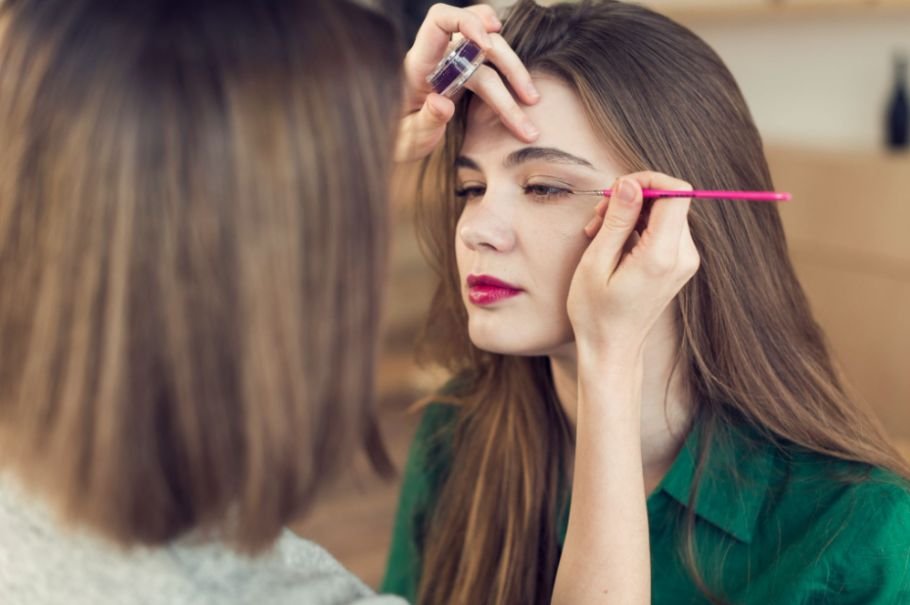
For years, I thought better blending was the answer to getting eye makeup to show on hooded lids. What actually changed my results was much simpler: I stopped designing the look around a crease that disappeared when my eyes opened. Instead, I started treating my relaxed, open eye as the real canvas.
That shift completely changed how I place shadow, liner, and mascara. In this makeup for hooded eyes step by step guide, I’ll use what I call the open-eye method—building the crease where it can actually be seen, lifting the outer corner instead of dragging it down, keeping the lash line slim, and using brightness only where it helps the eyes look more open.
How Can I Tell If I Have Hooded Eyes?
Hooded eyes have an extra fold of skin extending from the brow bone toward the lash line. When you look straight ahead, this fold may partially or almost completely cover the natural crease and mobile eyelid.
I check my eye shape with my face relaxed and my eyes looking directly into a mirror. If most of the crease disappears, I use hooded-eye makeup techniques. Hooding can occur with almond, round, deep-set, or asymmetrical eyes, and it may become more noticeable as the skin changes with age.
How Should I Prep Hooded Eyes So Makeup Does Not Crease?
Because the upper fold can touch the mobile eyelid, hooded eyes may experience more eyeshadow and eyeliner transfer.
I begin with clean, dry lids and smooth a thin layer of eye primer from the lash line toward the brow bone. If my eyelids become oily easily, I lightly press translucent powder over the primer after it settles.
I avoid applying a thick layer of powder because too much can make shadow difficult to blend. The goal is simply to reduce excess slip and create a smoother base that helps eye makeup stay in place.
What Is the Best Step-by-Step Eyeshadow Technique for Hooded Eyes?
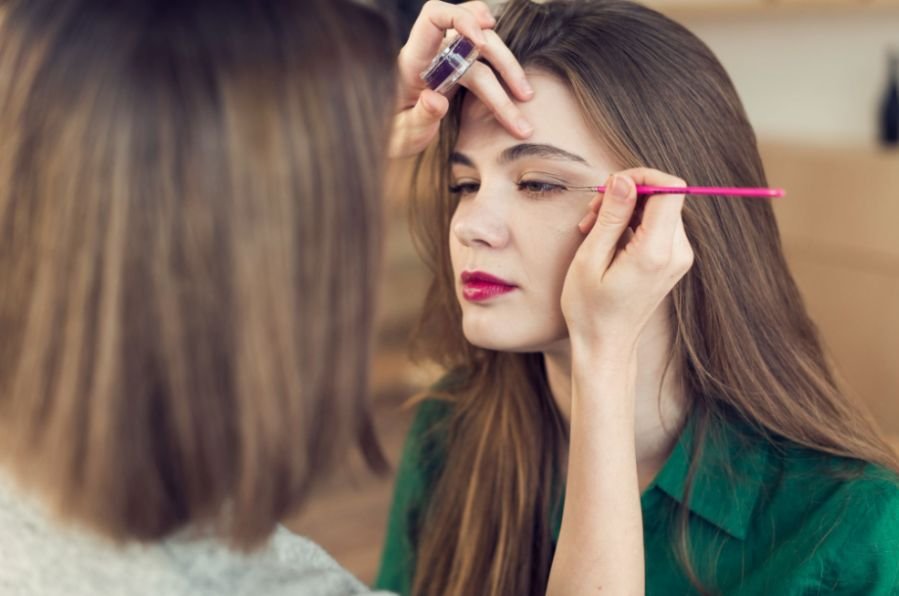
For a softer overall finish, these eye techniques can also be paired with a no makeup makeup look for beginners approach that keeps the rest of the makeup fresh and understated.
Step 1: Map Your Eye Makeup While Looking Straight Ahead
I keep my eyes open and look directly into the mirror before placing my transition shade.
This is one of the most important hooded-eye makeup techniques because applying shadow only with closed eyes can hide much of the finished look beneath the fold.
I keep checking my placement from this relaxed, straight-ahead position as I work.
Step 2: Create a Faux Crease Above the Natural Fold
Instead of following the hidden crease, I create a new visible crease slightly above it.
Using a small blending brush and a matte mid-tone brown or another transition shade, I place a few faint dots or a soft guideline just above the natural fold. I position the color where it remains visible when my eyes are open.
Then I connect and soften those marks with gentle blending motions.
This technique creates the illusion of more lid space and gives the eye greater depth without requiring heavy shadow.
Step 3: Deepen the Outer Corner for a Lifted Shape
Next, I take a slightly darker matte shade and concentrate it on the outer corner.
I form a small V-shape or upward-facing angle and blend the shadow outward and slightly toward the temple. I avoid pulling the darkest color downward because that can visually lower the eye.
I also build pigment gradually. A soft outer corner generally looks more flattering on limited lid space than one dense patch of dark eyeshadow.
Step 4: Brighten the Mobile Lid and Inner Corner
I press a light ivory, soft beige, or champagne shade onto the mobile lid and around the inner corner.
When appropriate, I bring the brighter shade slightly above the natural fold so it remains visible when the eye opens. This contrast between the lighter lid and deeper faux crease can make the center of the eye appear more open.
I use shimmer selectively. Satin or subtle shimmer can brighten the lid beautifully, but heavy reflective shadow across a textured hood may emphasize the fold. For mature hooded eyes, I usually choose softer finishes and thinner layers.
Step 5: Blend Everything Upward Instead of Downward
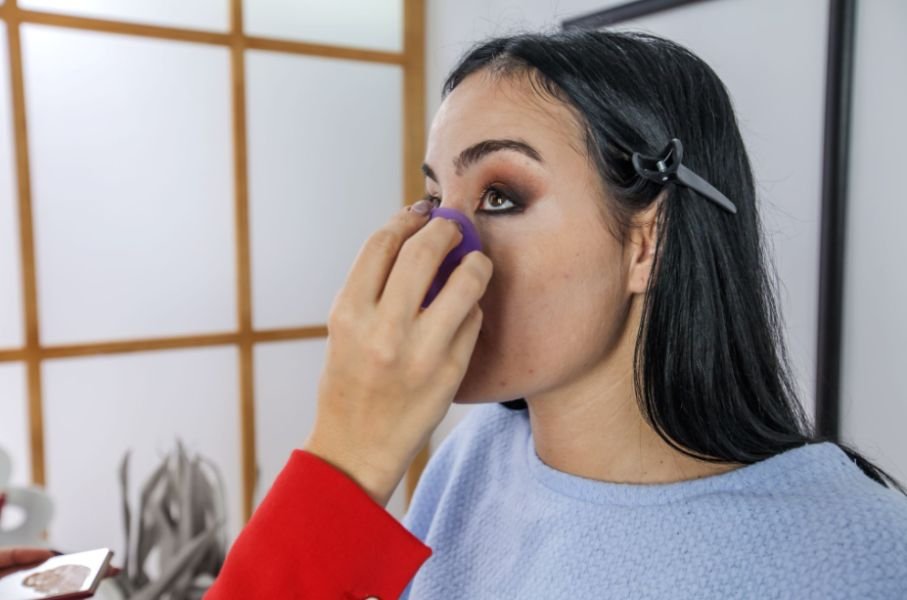
Once the main colors are in place, I soften the edges with a clean blending brush.
My blending direction stays mostly upward and outward. I imagine an invisible diagonal line running from the outer corner toward the end of the eyebrow.
That visual guide helps create a lifted eye makeup shape without requiring dramatic color.
What Eyeliner Technique Works Best for Hooded Eyes?
Thick eyeliner can consume much of the visible eyelid, so I prefer keeping definition extremely close to the lashes.
For an easy everyday look, I tightline the upper lash area with a long-wearing waterproof gel pencil. I can then use a small angled brush to stamp dark brown or deep neutral eyeshadow directly into the roots of the upper lashes.
This creates definition without drawing a thick black line across valuable lid space.
Can You Wear Winged Eyeliner With Hooded Eyes?
Yes, but I do not rely on the traditional closed-eye wing technique.
For beginners, skipping a large wing and concentrating definition at the lash roots is often easier. If I want winged eyeliner, I map the outer shape while looking straight ahead.
A batwing-style technique can work especially well because it accounts for the eyelid fold. The liner may look slightly different when the eye is closed, but what matters is that the wing appears smooth when the eyes are naturally open.
How Do I Apply Mascara Without Smudging the Hood?
I curl the upper lashes thoroughly before applying mascara because lifted lashes help open the eye visually.
Then I apply a smudge-resistant or smudge-proof mascara, concentrating definition near the lash roots and outer lashes. I avoid repeatedly coating the very tips when they naturally touch the upper hood.
I allow the mascara to dry before looking down or blinking forcefully. For some eye shapes, adding controlled definition to the lower lashes can further create a wide-awake appearance.
What Hooded-Eye Makeup Mistakes Should I Avoid?
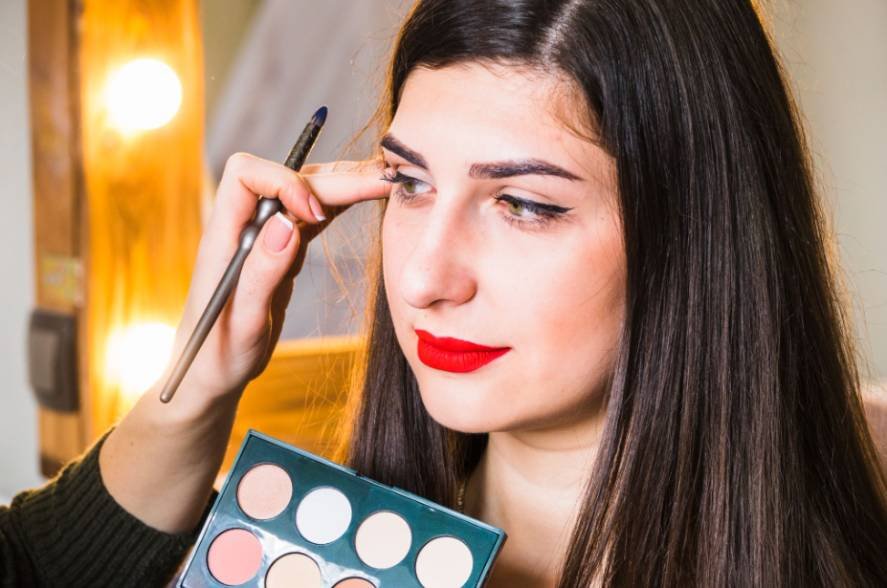
The most common mistake I see is applying an entire eye look while the eyelid is closed. The shadow may look beautiful during application but disappear once the eye opens.
Another mistake is placing the crease color too low. Moving the transition shade slightly above the natural fold makes much more of the makeup visible.
I also avoid overly thick liner, dark shadow blended downward, and excessive shimmer directly across a pronounced hood. These choices can visually reduce the limited space available around the eye.
How Should Makeup Change for Mature Hooded Eyes?
Mature hooded eyes may have additional texture, dryness, or softness around the eyelid, so I focus even more on thin layers.
I lightly prep the skin for makeup, use soft matte transition shades, blend carefully, and avoid packing large amounts of powder into fine lines.
Instead of creating an extremely sharp faux crease, I use a diffused shadow slightly above the fold. The result still provides definition but looks softer and more natural.
For a softer everyday result, you can also follow this natural makeup look step by step approach and adapt the eye makeup to your hooded shape.
Frequently Asked Questions
1. What is the easiest makeup for hooded eyes step-by-step technique for beginners?
I start with primer, create a soft faux crease above the natural fold, deepen the outer corner in an upward direction, brighten the visible lid, define the lash roots with thin liner or shadow, curl the lashes, and finish with smudge-resistant mascara. Keeping the eyes open during placement makes every step easier to control.
2. Should hooded eyes use matte or shimmer eyeshadow?
Both can work. I prefer matte shades for the transition color, faux crease, and outer corner because they create controlled depth. I use satin or subtle shimmer on the visible lid or inner corner to add brightness.
3. How can I make hooded eyes look bigger?
I keep the center of the lid bright, raise the crease color slightly, blend the outer shadow upward, use thin lash-line definition, and curl the lashes. Together, these techniques preserve visible lid space and make the eyes appear more open.
4. Where should eyeshadow go on hooded eyes?
I place the transition shade above the natural fold where it remains visible with the eyes open. I keep deeper shadow mainly around the outer third and blend it upward rather than extending it heavily downward.
Final Thoughts
The biggest lesson I learned was that hooded-eye makeup works best when I stop trying to force conventional crease placement onto an eye shape that behaves differently. The most effective makeup for hooded eyes step-by-step routine starts with the eye open and relaxed, because that is how the finished makeup will actually be seen.
By raising the faux crease, lifting the outer shadow, controlling shimmer, keeping liner close to the lashes, and defining the lashes without encouraging transfer, I can create anything from understated daytime makeup to a smoky evening look while keeping the eye shape bright and visible.
I also pay attention to allergens in cosmetics, especially around the sensitive eye area, and stop using any product that causes irritation or dis
Leave a Reply