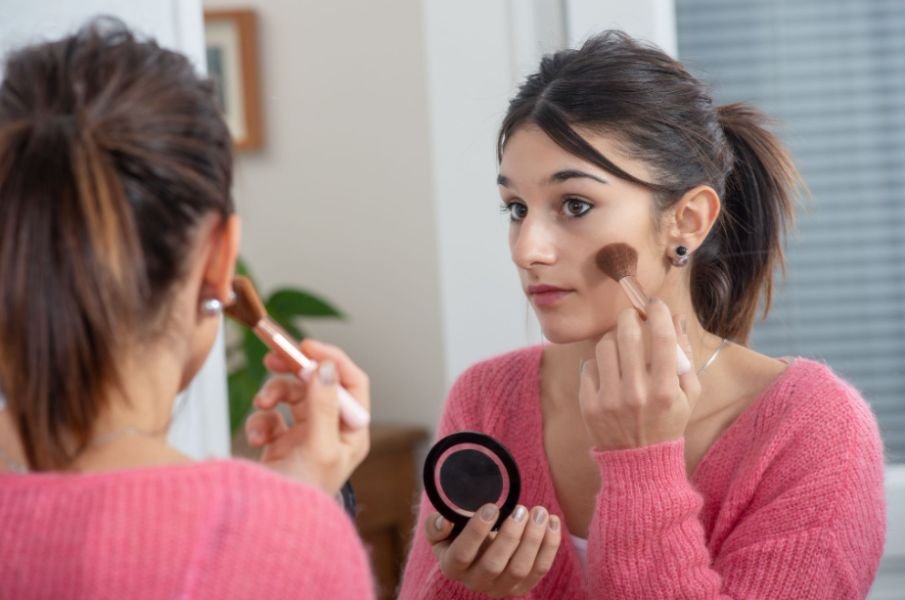
Foundation can look perfect when I first apply it, then suddenly start separating around my nose, catching on rough patches, or making my cheeks look more textured than they did before makeup. When that happens, the foundation itself is not always the real problem. The condition of the skin underneath often determines whether the final result looks smooth or cakey.
For makeup for dry, flaky skin, I focus on creating a comfortable, hydrated surface before building coverage. Gentle preparation, moisture-rich skincare, flexible base formulas, and light application techniques can help makeup settle more evenly without emphasizing every dry spot. The goal is not to hide natural skin texture, but to prevent unnecessary flaking and create a softer, healthier-looking finish.
Why Does Foundation Look Patchy on Dry Skin?
Foundation often looks patchy when it settles around dead skin cells or goes over skincare that has not fully absorbed. Very matte formulas, thick layers, heavy powder, and aggressive buffing can make the problem worse.
I also watch for pilling. Serum, moisturizer, sunscreen, primer, and foundation can roll into tiny flakes when layered too quickly, so I give each layer time to settle.
How Should I Prep Dry, Flaky Skin Before Makeup?
I start with clean skin and avoid harsh scrubs. If flakes are mild and my skin feels calm, I may use a soft, damp washcloth or gentle exfoliating product to loosen dead surface cells. If my skin feels red, sore, burning, or irritated, I skip exfoliation and focus on hydration.
How Do I Layer Hydration Before Foundation?
I like a hydrating serum with humectants such as hyaluronic acid or glycerin, which can help attract and retain water in the outer skin layers. I follow with a nourishing moisturizer, ideally with emollients or barrier-supporting ingredients such as ceramides.
I let the moisturizer absorb for about five to ten minutes. This softens the skin without leaving an overly slippery surface that can make foundation separate.
What Primer Works Best for Dry Skin?
I usually choose a hydrating, smoothing, dewy, or lightly gripping primer instead of a strongly mattifying one. I apply a thin layer where makeup tends to catch, especially around the nose, between the brows, and around the mouth.
Too much primer can encourage pilling, so I keep the layer light and make sure it works with the skincare underneath.
What Foundation Formula Is Best for Dry, Flaky Skin?
I prefer liquid foundation, skin tints, serum-like bases, water-gel textures, and natural, satin, luminous, or dewy finishes. Very matte or powder bases can emphasize rough texture.
Before application, I sometimes warm a small amount of foundation between clean fingertips. I start in the center of the face and blend outward in a thin layer.
Is a Damp Sponge Better Than a Brush for Dry Skin?
A damp makeup sponge works well when flakes are visible because I can press or bounce foundation onto the skin instead of dragging it across the surface. This keeps coverage light.
A soft brush can also work with gentle stippling, but I avoid aggressive buffing. If I need more coverage, I add a second thin layer only where needed.
How Should I Apply Concealer, Blush, and Bronzer?
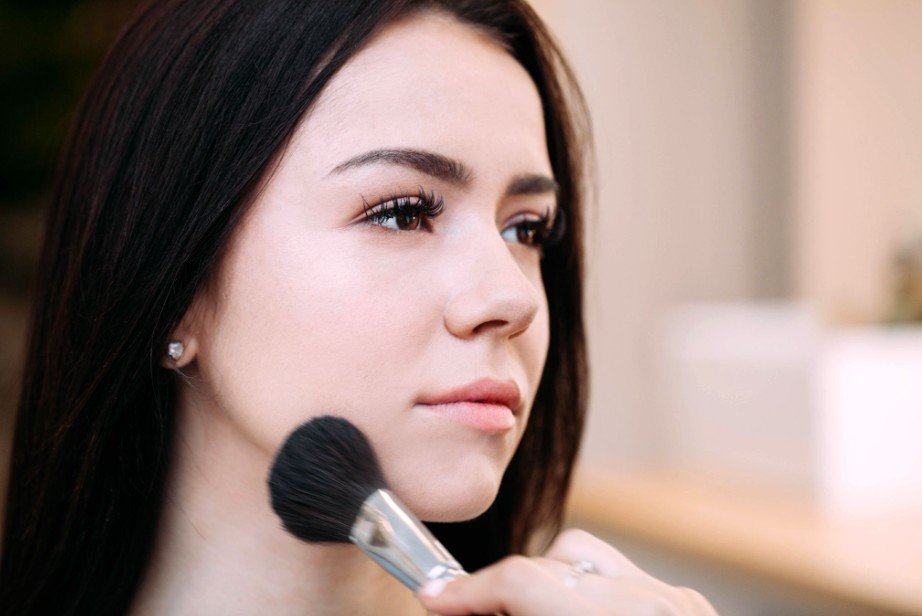
I use a small amount of creamy or hydrating concealer and tap it into areas that need extra coverage. Thick layers under the eyes can settle into fine lines.
For the eye area, I use the same light-handed approach described in this techniques to makeup for hooded eyes step by step, especially when layering concealer and other complexion products around the eyes.
For blush and bronzer, I often favor cream, liquid, or gel textures. I press them over foundation instead of repeatedly swiping so the base underneath stays smooth.
Should I Use Setting Powder on Dry Skin?
I avoid powdering my entire face. Instead, I spot-set only where makeup tends to crease or become shiny, such as the sides of the nose, parts of the T-zone, or a small area beneath the eyes.
I use a tiny amount of finely milled powder with a small fluffy brush. Heavy baking can absorb too much surface moisture and make dry patches stand out.
How Do I Fix Flaky Foundation Without Starting Over?
If makeup starts looking tight or powdery, I use a light hydrating or luminous mist, let it settle, and gently press the skin with a damp sponge. This can help cream layers look more unified.
If the problem keeps happening, I can also follow a more detailed techniques on how to keep foundation from clinging to dry patches for additional preparation and application techniques.
If one patch becomes flaky, I do not add another thick layer. I remove a tiny amount of excess product if needed and blend the surrounding foundation back over the spot. Spot correction usually looks more natural than reapplying the entire face.
What Mistakes Make Dry Makeup Look Cakey?
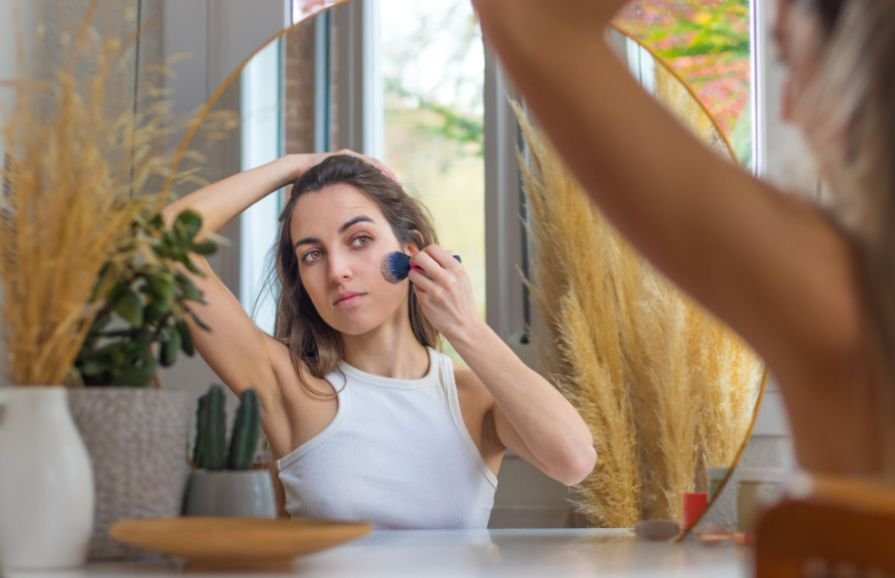
The biggest problems are over-exfoliating, rushing through skincare, using very matte formulas, applying too much foundation, buffing aggressively, and covering the whole face in powder. I also avoid stacking too many skincare products immediately before makeup because simpler layers often reduce pilling.
Frequently Asked Questions
1. Why does foundation cling to dry patches after moisturizing?
The moisturizer may not have fully absorbed, loose dead skin cells may still be present, or the foundation may be too matte or heavy. Product pilling can also mimic dryness.
2. Should I exfoliate right before makeup?
Only when my skin feels calm, and the exfoliation is gentle. If the skin is irritated, peeling, burning, or sensitive, I skip exfoliation and focus on moisture.
3. Is dewy foundation always better for dry skin?
Not always, but liquid and satin-to-dewy formulas often make texture look less obvious than very matte or powder-heavy bases. Application technique matters just as much as finish.
4. What is the fastest way to smooth flaky makeup?
I lightly press the area with a damp sponge, remove excess buildup if necessary, and use a small amount of hydrating mist. I avoid adding another heavy layer.
Final Thoughts
For me, the best makeup for dry, flaky skin is about improving how each layer sits on the face rather than hiding texture with more coverage. Gentle exfoliation when appropriate, layered hydration, enough moisturizer absorption time, a dewy or gripping primer, flexible base formulas, cream color products, minimal powder, and careful touch-ups all work together.
Real skin has texture, but a light, hydrated routine can make dry patches less noticeable and leave the complexion looking smoother and more radiant.
Leave a Reply