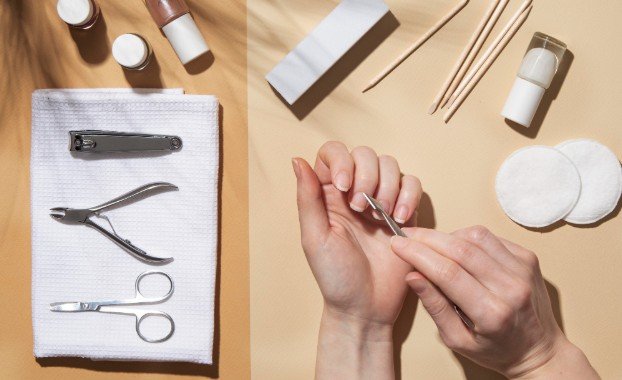
I used to think peeling nails simply needed another coat of strengthening polish. However, I eventually learned that damaged nail layers cannot be permanently sealed back together. Understanding how to stop nails from peeling means identifying what weakened them, preventing further damage, and protecting the healthier nail growing underneath.
Peeling nails are commonly caused by frequent water exposure, dryness, cleaning chemicals, manicure damage, and rough filing. Less commonly, persistent changes can be connected to an infection, nutritional deficiency, inflammatory condition, or another health concern. Most everyday cases improve with a gentle routine, although visible recovery takes time.
Why Do Nails Peel in Layers?
The nail plate is made from compact layers of keratin. When the bonds between these layers weaken, thin sections can separate horizontally, especially near the tips. This condition is sometimes called onychoschizia or lamellar splitting.
Repeated wetting and drying is a major trigger. Nails absorb water and temporarily expand when wet. They contract again while drying. Frequent dishwashing, swimming, cleaning, or handwashing can repeat this cycle enough to weaken the nail structure.
Dry environments, strong soaps, alcohol-based products, cleaning chemicals, and nail polish remover may strip away protective oils. Excessive soaking can create the opposite problem by making nails too soft. Both extremes leave the nail plate more vulnerable to splitting and peeling.
Protect Nails From Water and Chemicals
Waterproof gloves offer simple protection during dishwashing, cleaning, gardening, and other wet tasks. Cotton-lined gloves may be more comfortable because they reduce direct water contact while absorbing some perspiration.
Normal handwashing should continue, but the hands need to be dried carefully afterward. Moisture left around the nail folds can cause irritation, while repeated washing without moisturizing can leave the nail plate dry.
People whose work involves frequent handwashing or chemical exposure may have an increased risk of contact dermatitis and may need to reapply hand cream several times during the day. Keeping a small tube near a sink or workstation makes this protective habit easier to maintain.
Moisturize the Entire Nail
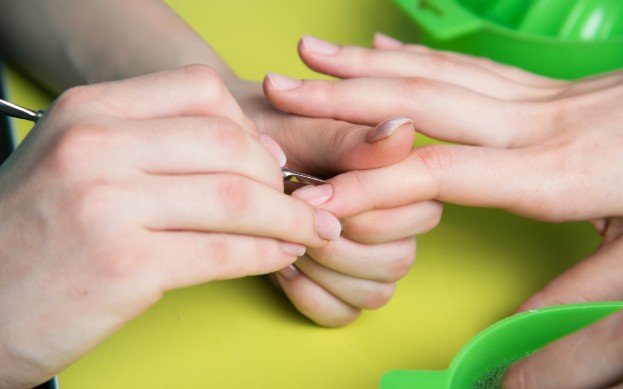
Hand cream should be massaged over the nails rather than applied only to the skin. Products containing petrolatum, lanolin, glycerin, ceramides, or urea can help reduce moisture loss. A thicker ointment used at night often provides longer-lasting protection.
Cuticle oil can improve flexibility and condition the skin surrounding the nail. Apply a small amount to the nail surface, cuticle area, and underneath the free edge when possible.
Oil cannot reconnect layers that have already separated. Its purpose is to improve flexibility and limit additional dryness while the damaged section grows forward. Daily application is generally more helpful than applying a large amount occasionally.
Trim and File Peeling Edges Gently
Long nails bend more easily and place greater pressure on weakened tips. Keeping them relatively short during recovery reduces snagging and prevents splits from travelling farther down the nail plate.
Use sharp, clean clippers and avoid cutting into sensitive or attached tissue. When researching ways to cut acrylic nails, remember that artificial enhancements require different removal and trimming techniques than natural nails. Smooth rough edges with a fine-grit file using gentle, controlled strokes. Aggressive back-and-forth filing and heavy buffing may thin the natural nail even more.
Never pull away a loose layer. Tearing it can remove attached nail material and extend the damaged area. If an edge catches on fabric, carefully file it until it feels smooth.
Nails should not be used to open containers, scrape labels, separate objects, or perform other tasks that place pressure on their tips. Use the pads of the fingers or an appropriate tool instead.
Pause Damaging Manicure Treatments
Gel polish, dip powder, acrylics, and press-on nails can contribute to peeling when the natural nail is over-filed or the product is removed incorrectly. Adhesives and prolonged acetone exposure may also leave already-fragile nails feeling dry.
Picking or peeling away an enhancement can lift natural nail layers along with it. If the nails are noticeably thin or separating, pause enhancement services to repair damaged nails and allow the affected areas to grow out.
When returning to manicures, choose a technician who avoids excessive buffing and follows the correct removal procedure. The surrounding living skin should not be aggressively cut, and products should never be forced off the nail.
Use Strengthening Treatments Carefully
A clear base coat may create a temporary shield over fragile nails. It can reduce snagging and limit direct exposure to water, but it cannot reverse damage that has already occurred.
Keratin- or calcium-based treatments may provide short-term support. However, an extremely hard nail is not necessarily healthier. Some formulas can make the nail too rigid, increasing the chance of snapping. Discontinue any product that causes irritation, dryness, or greater brittleness.
Gentler polish removers may be preferable while the nails recover. Acetone removes polish efficiently, but frequent or extended exposure can make dry nails feel worse.
Support Nail Growth With Balanced Nutrition
Healthy nail production depends on sufficient protein, iron, zinc, selenium, and other nutrients. A varied diet is more sensible than assuming one vitamin can fix every case of peeling.
Iron deficiency may contribute to brittle or unusually shaped nails, particularly when nail changes appear alongside fatigue, weakness, pale skin, shortness of breath, or hair loss. Proper testing is necessary because nail appearance alone cannot confirm a deficiency.
Biotin is frequently promoted for nail strength, but it is not appropriate for everyone. High doses can interfere with certain laboratory tests. Speak with a qualified healthcare professional before starting supplements specifically for nail changes.
When to Seek Professional Advice
Arrange a medical evaluation if peeling begins suddenly, affects both fingernails and toenails, causes pain, or continues despite several weeks of careful protection.
Thickening, yellow or brown discoloration, crumbling, debris beneath the nail, or lifting from the nail bed may indicate a fungal infection. Pitting, inflammation, unusual ridges, or nearby rashes may be associated with conditions such as psoriasis.
Nail changes accompanied by unexplained fatigue, hair loss, dry skin, weight changes, or unusual sensitivity to cold also deserve professional attention. These symptoms do not automatically indicate a serious condition, but they should not be diagnosed through appearance alone.
Frequently Asked Questions
1. What is the fastest way to learn how to stop nails from peeling?
Keep the nails short, gently smooth lifted edges, moisturize after washing, use gloves during wet work, and pause damaging manicures. There is no overnight cure because the separated section must grow out.
2. Can cuticle oil repair peeling nails?
Cuticle oil cannot reconnect separated layers, but it can reduce dryness and improve flexibility. Consistent application may help protect the healthier nail growing from the base.
3. Can I cover peeling nails with polish?
A gentle clear base coat may shield fragile tips. Avoid covering nails that are painful, swollen, discolored, thickened, or potentially infected until they have been professionally assessed.
4. Are peeling nails always caused by a deficiency?
No. Repeated water exposure, chemicals, manicure damage, dryness, and physical trauma are more common causes. Nutritional deficiencies require proper testing rather than diagnosis based only on nail appearance.
Final Thoughts
I now treat peeling as a sign that my nails need protection, not more aggressive filing or another damaging manicure. My most effective routine is simple: I keep the tips short, moisturize after washing, wear gloves around water, and leave loose layers alone.
Patience is essential because healthier nails must grow from the base. When peeling continues despite careful treatment or appears with pain, discoloration, thickening, skin changes, or other symptoms, professional assessment is the safest next step.
Leave a Reply