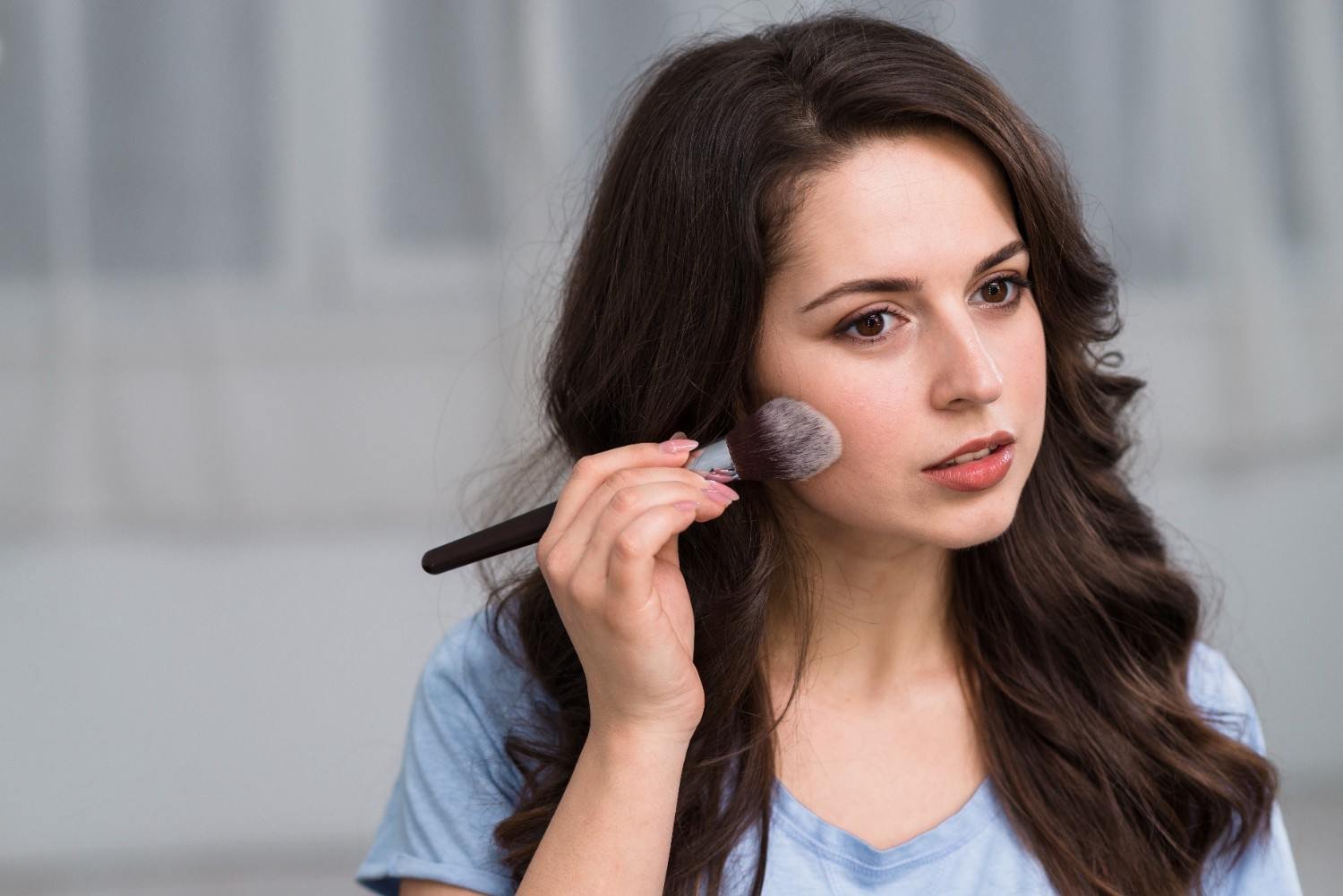
Foundation should make mature skin look fresher, not heavier. I’ve found that the best foundation for mature skin is usually lightweight, flexible, and easy to build rather than thick or overly matte. The goal is to even out discoloration, soften the look of fine lines, and create a skin-like finish without masking natural texture.
For women in the US, climate matters too. Whether you live through dry Southwest weather, humid Southeast summers, cold Northeast winters, or constant indoor air conditioning, your environment can affect how foundation wears. Hydration and strategic setting can therefore matter just as much as coverage.
What Type of Foundation Works Best for Mature Skin?
Mature skin is not one specific skin type. It can be dry, oily, combination, sensitive, or acne-prone, so I choose a formula based on current skin needs rather than age alone.
Light-to-medium buildable coverage usually gives the most natural result. A liquid or serum-like texture with a satin, natural, or softly radiant finish can help the complexion look smoother without making wrinkles or pores more obvious. Heavy full coverage may settle into expression lines when overapplied, while extremely matte foundation can exaggerate dry patches.
For dry mature skin, look for hydrating ingredients such as glycerin, hyaluronic acid, squalane, ceramides, and niacinamide. These ingredients can improve comfort and help makeup sit more smoothly instead of emphasizing texture.
How Should You Prep Mature Skin Before Foundation?
Hydrate Before You Apply Makeup
Prep is crucial. I start with a hydrating moisturizer and let it absorb before moving to makeup. If visible pores, uneven texture, or fine lines are concerns, a hydrating or smoothing primer can create a more even surface before foundation.
For daytime makeup, sunscreen should remain part of the morning routine. I also let skincare and sunscreen settle before applying foundation because layering everything immediately can contribute to pilling or separation.
Good prep should leave skin comfortable and supple rather than coated in multiple heavy layers. When the surface is dry, foundation is more likely to cling to flaky patches and collect around expression lines. Makeup-artist guidance for mature skin similarly emphasizes moisturizer and carefully selected primer before complexion makeup.
How Much Foundation Should You Use on Mature Skin?
Less is more. I start with a small amount at the center of the face, where redness, discoloration, and uneven skin tone are often most noticeable. I then blend outward toward the jawline and hairline. A well-planned skincare routine for aging skin can also help create a smoother, more hydrated base before foundation application.
A damp makeup sponge is especially useful when I want a thin, natural-looking finish. Instead of dragging foundation across the face, I gently press or bounce it into the skin. A soft brush or clean fingers can also work, but I avoid loading too much foundation onto any application tool.
I build thin layers only where extra coverage is actually needed. A second light layer over dark spots, redness, or pigmentation generally looks smoother than one thick coat covering the entire face. Current mature-skin application guidance also favors small amounts, thin layers, center-to-outward blending, and damp sponges.
How Do You Stop Foundation From Settling Into Fine Lines?
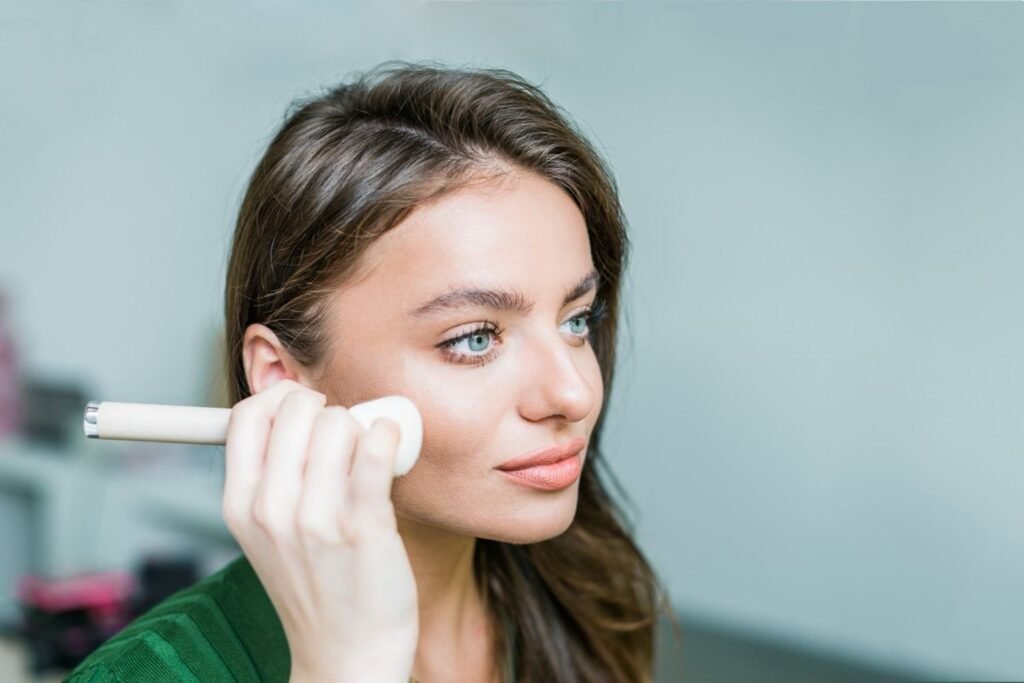
Too much foundation is one of the biggest reasons makeup collects around wrinkles. I use less around crow’s feet, smile lines, and the folds beside the nose.
After blending, I check these areas before setting anything. If foundation has gathered in a line, I gently press it out with a clean, damp sponge. This prevents excess makeup from being locked into the crease when powder is applied.
I also avoid trying to erase every bit of texture. Real skin has pores, lines, and movement. Flexible, buildable coverage usually looks more flattering than a thick layer designed to make the complexion appear perfectly flat.
Should Mature Skin Use Setting Powder?
Yes, but strategic powdering matters.
I would not bake the entire face, particularly when the skin is dry or textured. Heavy powder can absorb moisture and make fine lines, wrinkles, and flaky areas look more noticeable.
Instead, I apply a very light dusting only where shine or creasing tends to develop. Common areas include the sides of the nose, center of the forehead, and chin.
I leave dry cheeks and heavily lined areas alone unless they genuinely need setting. This targeted technique also follows makeup-artist recommendations to use powder sparingly and concentrate it primarily on shine-prone areas such as the T-zone.
Is Matte or Dewy Foundation Better for Mature Skin?
Neither finish is automatically right for everyone.
I generally prefer a natural satin or softly radiant finish because it gives the face dimension without making the complexion appear excessively shiny.
Dry mature skin may look better with a radiant or slightly dewy finish, while oily or combination mature skin may prefer a natural satin finish. Very flat matte formulas can highlight dryness, texture, and wrinkles. On the other hand, extremely glossy finishes can sometimes draw more attention to enlarged pores.
The goal is to find a finish that still looks natural several hours after application, not simply one that photographs well immediately after makeup is applied.
How Do You Choose the Right Foundation Shade and Undertone?
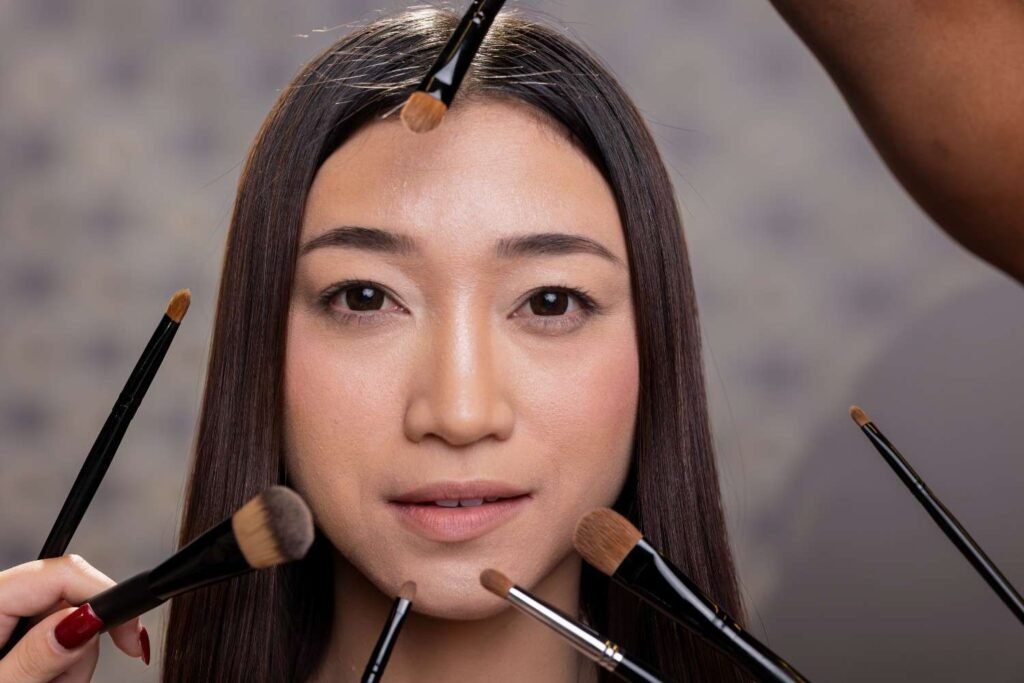
I prefer testing foundation close to the jawline instead of relying only on a hand or wrist swatch. The correct shade should create a natural transition between the face and neck. This matters even more when foundation is layered over the best makeup primer for oily skin, because a smooth, controlled base can make shade and texture differences easier to notice.
Undertone also matters. Warm undertones often appear golden or peach, cool undertones tend to lean pink or rosy, and neutral undertones fall somewhere between the two.
Whenever possible, I check the shade in natural daylight. Artificial store lighting can change the way color appears and may make a foundation look warmer or cooler than it actually is.
Frequently Asked Questions (FAQs)
1. What is the best foundation for mature skin with wrinkles?
For wrinkles, I look for a lightweight, hydrating, flexible formula with buildable coverage. A natural or satin finish combined with thin application can reduce the chance of makeup collecting around fine lines.
2. Is full-coverage foundation bad for older skin?
No. Full coverage can work on older skin when it is applied gradually. I recommend adding extra coverage only over dark spots, redness, or uneven pigmentation instead of placing a thick layer across the entire face.
3. Is liquid foundation better than powder foundation for mature skin?
Liquid formulas are often easier to work with on dry or textured mature skin because they tend to remain flexible. Powder foundation can still suit oilier mature skin when it is applied lightly over properly moisturized skin.
4. How Can I Stop Foundation From Looking Cakey?
Start with hydrated skin, use a small amount of foundation, and build coverage through thin layers. Keep setting powder to a minimum, particularly around wrinkles and dry areas. Adding more powder to already dry-looking makeup usually makes texture more visible instead of correcting it.
How Can You Make Foundation Look Better on Mature Skin?
I’ve learned that foundation performs best on mature skin when I focus on preparation instead of coverage alone. Hydrated skin, center-to-outward application, thin layers, a damp sponge, careful shade matching, and strategic powdering can make a bigger difference than simply choosing a heavier formula.
The best foundation for mature skin should make the complexion look even while still allowing natural texture to show through. When makeup remains flexible, comfortable, and properly hydrated, fine lines, uneven tone, and texture become less distracting without making the skin look overdone.
Leave a Reply