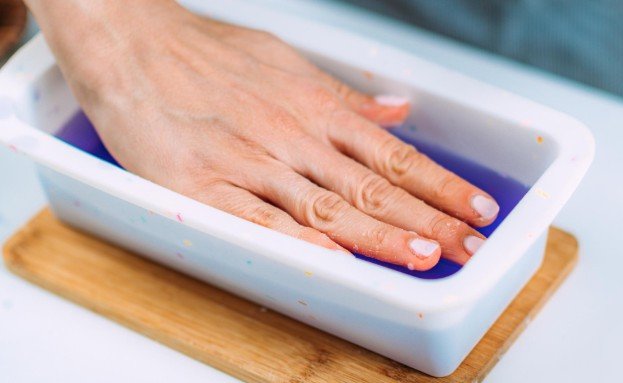
I used to think water made nails healthier because hydration is usually associated with softness and flexibility. However, I learned that repeatedly soaking and drying the nail plate can have the opposite effect. Nails may become soft immediately after exposure, then feel dry, brittle, or layered once the moisture evaporates.
Understanding how to protect nails from water damage makes it easier to prevent peeling and splitting without avoiding normal handwashing, bathing, or swimming. Water itself is not automatically harmful. The greater concern is frequent or prolonged exposure, particularly when it is combined with detergent, cleaning chemicals, physical pressure, or improper nail care. A few practical changes can considerably reduce this everyday damage.
Why Does Water Weaken Your Nails?
Natural nails are made of thin layers of keratin. Although the nail plate looks solid, it can absorb some water. The plate temporarily expands as it absorbs moisture and contracts again while drying.
Occasional exposure is unlikely to create a noticeable problem. However, repeated wet-and-dry cycles can place stress on the bonds between the keratin layers. Over time, the tips may begin to peel, split, bend, or break.
Dishwashing is especially troublesome because it combines prolonged soaking with detergent and friction. Cleaning products may remove oils from the surrounding skin and nails, while scrubbing places additional pressure on softened nail tips. Similar problems can affect cleaners, healthcare workers, food-service employees, hairdressers, swimmers, and anyone who washes their hands frequently.
Recognize the Signs of Water-Related Nail Damage
Water-related damage generally appears gradually. The free edges may separate into thin layers, or the nail may bend more easily after bathing. Other common signs include rough tips, recurring splits, surface flaking, and breakage along the sides.
Location can provide useful clues. Damage concentrated at the tips is often associated with repeated soaking, friction, or using nails as tools. Changes that begin near the cuticle, affect only one nail, or include pain and discoloration may have another cause.
Water damage should not be confused with fungal infections, psoriasis, eczema, or injuries. Yellowing, thickening, swelling, bleeding, soreness, or separation from the nail bed deserves professional evaluation.
Wear Gloves During Wet Household Tasks
Waterproof gloves create the most effective physical barrier during dishwashing, bathroom cleaning, handwashing clothes, and other wet chores. Cotton-lined rubber or reusable household gloves are generally more comfortable because the lining helps absorb perspiration.
Choose gloves that fit securely without squeezing the fingertips. Replace them when they develop holes, become damp inside, or retain an unpleasant smell. Wearing wet gloves can trap moisture against the nails and defeat their purpose.
Remove gloves as soon as the task is complete. If your hands become sweaty, wash them when necessary, dry them thoroughly, and allow both your hands and gloves to air out.
Reduce Unnecessary Soaking
Normal handwashing remains essential, so nail protection should never interfere with proper hygiene. Instead, reduce avoidable exposure. Do not leave your fingers submerged while dishes soak, and avoid using your nails to scrape food from cookware or labels from wet containers.
During a bath, keep your hands out of the water when possible. After swimming, rinse away chlorine or salt, dry your hands, and apply moisturizer. Although some people search for information about soaking nail fungus in chlorine, chlorine is not a recommended treatment and may irritate the skin or further dry the nails. These protective steps are more realistic than trying to keep nails permanently dry.
Use lukewarm rather than very hot water when practical. Hot water and strong cleansers may remove more protective oils from the hands and cuticle area.
Dry Your Hands and Nails Properly
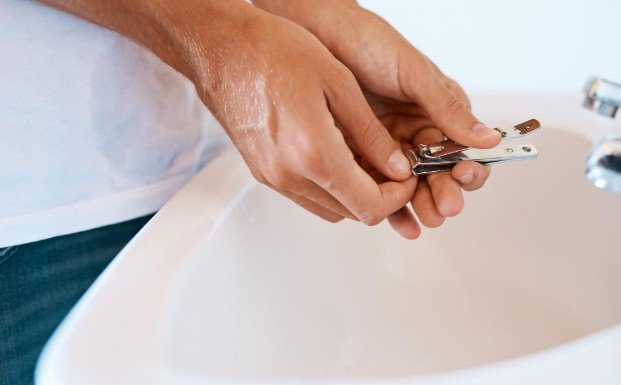
After washing, dry the fingertips, nail surfaces, sidewalls, and spaces beneath the free edges using a clean towel. Patting is gentler than aggressive rubbing, especially when nails are soft.
Avoid immediately filing, clipping, opening containers, or performing forceful tasks after a long shower or swim. Temporarily softened nails can bend or tear more easily. Give them time to dry before performing detailed grooming.
Do not insert sharp tools deeply beneath wet nails. This can irritate the tissue, lift the nail plate, and create spaces where debris and microorganisms may collect.
Moisturize After Water Exposure
For effective nail care after gel manicures, apply hand cream after washing and drying your hands. Massage it over the nail plates, fingertips, cuticles, and surrounding skin rather than treating only the palms.
Creams and ointments are often more protective than very light lotions because they reduce moisture loss. Ingredients such as glycerin, petrolatum, lanolin, ceramides, and urea can support dry skin and brittle nails. Anyone with sensitive skin should select a fragrance-free formula and stop using products that cause irritation.
Cuticle oil can supplement hand cream, particularly around dry nail folds. Apply a small amount and massage it gently into the nail and surrounding skin. Oil cannot repair nail layers that have already separated, but it may improve flexibility and reduce further cracking.
Keep Vulnerable Nails Short
Long nails experience greater leverage when they strike a surface or become caught on an object. If the tips are peeling, temporarily keeping them short can prevent small splits from traveling farther down the nail.
Use clean, sharp clippers and a fine-grit file. Smooth rough edges carefully instead of pulling away peeling layers. Avoid excessive buffing because thinning the surface can make an already flexible nail weaker.
Nails grow slowly, so existing damage must gradually grow out. Consistent protection is more valuable than an aggressive treatment promising immediate repair.
Use Polish and Strengtheners Carefully
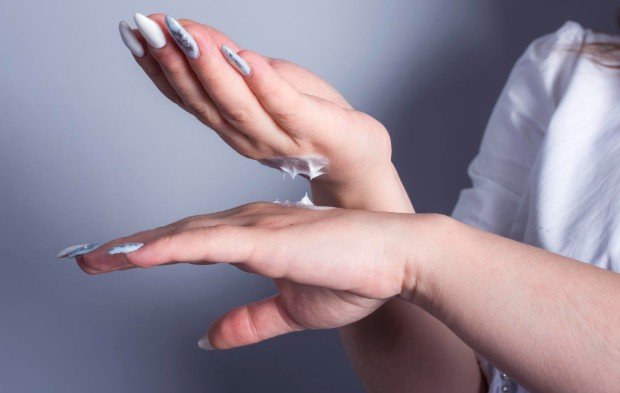
Regular polish may reduce direct contact between water and part of the nail surface, but it does not make nails completely waterproof. Water can still reach the underside and edges. Chipped polish may also encourage picking, which can remove superficial keratin layers.
A gentle base coat or formaldehyde-free strengthener may provide temporary reinforcement. However, repeatedly applying and removing products can increase dryness, especially when strong solvents are used.
Never peel off gel polish, dip powder, acrylic material, or press-on adhesive. Forced removal can take layers of the natural nail with it. Follow the correct removal method or ask a trained nail professional for assistance.
Build a Simple Protection Routine
In the morning, apply hand cream and keep reusable gloves near the sink. During the day, protect your hands during lengthy wet tasks, dry them completely, and reapply moisturizer after washing when needed.
At bedtime, massage a thicker cream or ointment into the fingertips and cuticle area. People with severely dry hands may wear clean cotton gloves overnight, provided the skin is not irritated or infected.
Consistency matters more than the number of products. Gloves, careful drying, moisturizer, shorter nails, and gentle grooming form a practical routine for most people.
Frequently Asked Questions
1. What is the easiest way to learn how to protect nails from water damage?
Begin by wearing cotton-lined waterproof gloves for wet chores and applying hand cream after washing. These two habits address prolonged exposure and moisture loss without making a routine complicated.
2. Does drinking more water strengthen damaged nails?
Adequate hydration supports general health, but drinking additional water does not directly repair peeling nail layers. External protection, gentle care, and time for healthy growth are still necessary.
3. Can I use cuticle oil on polished nails?
Yes. Apply it around the cuticle, sidewalls, and exposed underside of the nail. It will not penetrate polish in the same way it reaches bare nails, but it can condition the surrounding skin.
4. When should I consult a dermatologist?
Seek professional advice if nail changes persist despite careful protection or involve pain, swelling, redness, bleeding, thickening, unusual discoloration, deep grooves, or separation from the nail bed.
A Healthier Way Forward
I have found that protecting nails from water is less about avoiding water and more about controlling prolonged exposure. Wearing dependable gloves, drying carefully, moisturizing consistently, and treating softened nails gently can prevent much of the damage associated with everyday chores.
I would also avoid blaming water for every nail change. When damage continues, spreads, or causes discomfort, professional assessment is more useful than adding another cosmetic treatment. With steady protection and enough time for new growth, nails can gradually become smoother, stronger, and less prone to peeling.
Leave a Reply