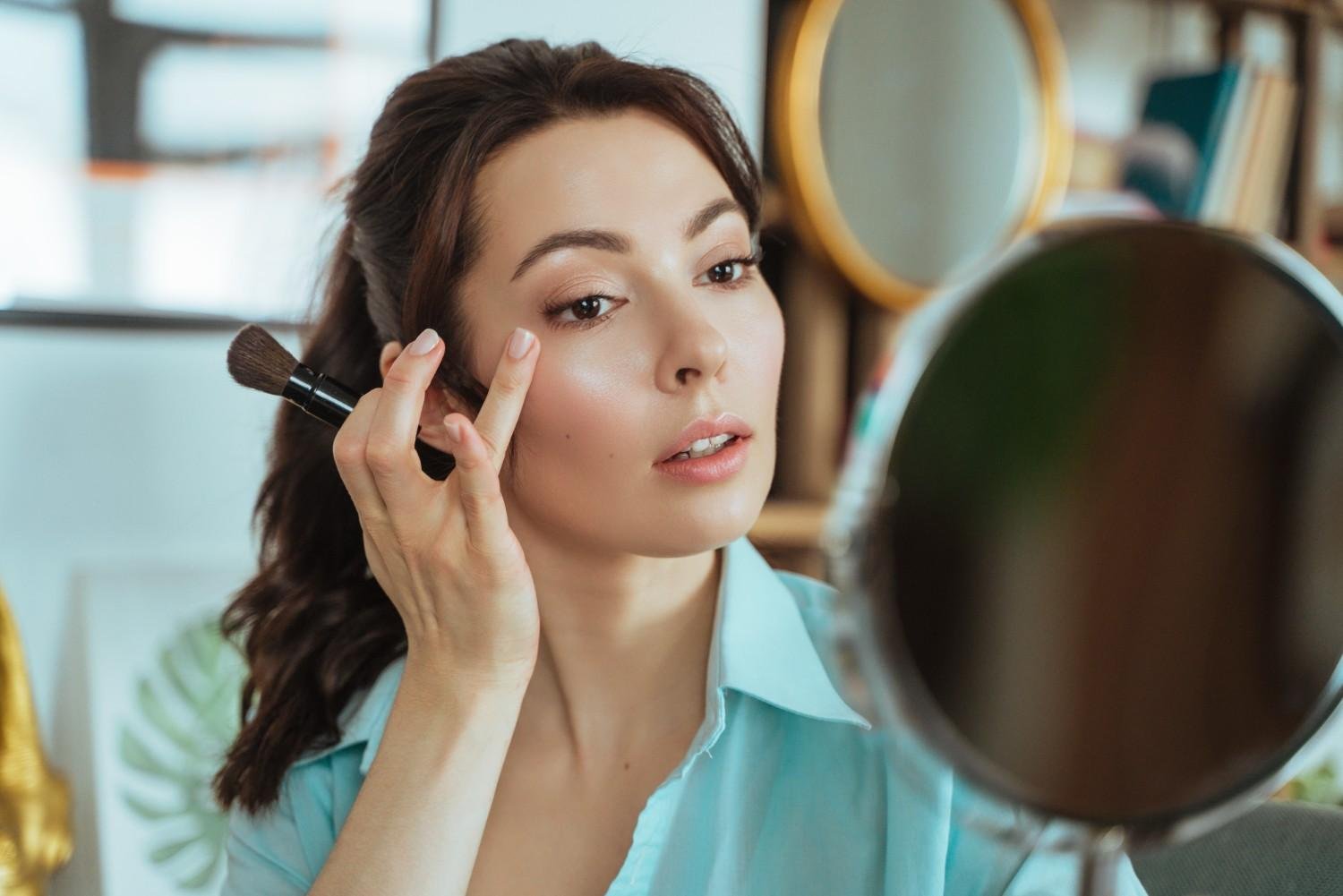
Dark circles can make the under-eye area look tired even after a full night of sleep. I have found that adding more makeup is rarely the answer. A formula that is too thick can settle into fine lines, while one that is too sheer may leave blue, purple, or brown discoloration visible.
When I look for the best concealer for dark circles, I focus on texture, coverage, finish, and color-correcting ability. The right formula should suit your skin type, neutralize the tone of your shadows, and give enough coverage without looking heavy. For US shoppers, it also helps to look for shade and undertone options that work across fair, medium, deep, and very deep complexions.
What Type of Concealer Is Best for Dark Circles?
If my under-eye area feels dry or shows fine lines, I prefer a lightweight serum or liquid-cream texture. These formulas spread easily and usually feel more flexible than dense matte creams. Ingredients such as hyaluronic acid and glycerin can also help makeup feel more comfortable on dry skin.
This matters more with mature skin because aging can make under-eye skin thinner and can create hollows that deepen shadows. Visible blood vessels and tear-trough hollows can both contribute to darker-looking under-eyes.
For deep darkness, I would choose concentrated pigment rather than repeatedly layering a sheer formula. A high-pigment cream can provide stronger opacity with less product, which helps reduce caking.
Should I Choose a Radiant, Satin, or Matte Finish?
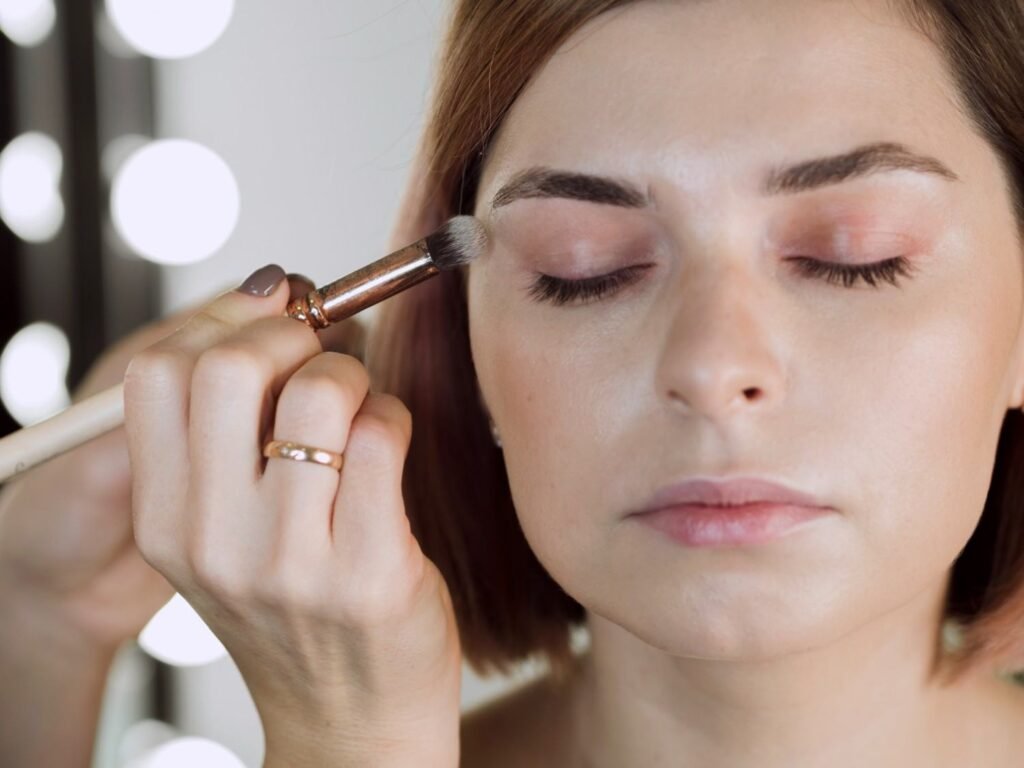
A radiant or satin finish is usually my preference when the under-eye area looks dry, dull, or hollow. Subtle light reflection can make shadows appear less pronounced.
A soft-matte finish can be more practical if the area becomes oily or makeup moves during the day. I would avoid an extremely dry matte finish on mature or dehydrated skin because it can make texture more noticeable.
What Color Corrector Cancels Dark Circles?
Color correction can help when ordinary skin-tone concealer makes the area look gray, ashy, or dull.
What Corrects Blue or Purple Under-Eye Shadows?
Peach, apricot, and salmon tones can help neutralize cool blue or purple shadows, especially on fair-to-medium skin. Professional makeup guidance also commonly recommends peach or salmon undertones for this type of discoloration.
I use only enough corrector to soften the unwanted color. If the peach tone remains strongly visible before concealer goes on, I have probably used too much.
What Corrects Deep Brown or Blackish Shadows?
For deeper complexions or strong brown-gray discoloration, richer orange or terracotta tones can provide better balance than pale peach. The corrector should complement the depth of the skin instead of leaving an obvious orange patch.
This matters in the US beauty market because one pale correcting shade will not work effectively across every skin tone.
Can Green Corrector Help With Redness?
Green is commonly used to neutralize red discoloration. It may be useful when redness is the concern rather than classic blue, purple, or brown under-eye shadows. Color-correction guidance also supports peach and orange for blue-purple tones and green for redness.
How Much Coverage Do I Actually Need?
For mild shadows, I prefer light-to-medium buildable coverage because it is easier to keep natural. I can add another thin layer only where darkness remains visible instead of covering the whole under-eye area.
For severe darkness, full coverage can work well, but I would still avoid applying more than necessary. If the discoloration is strongly blue, purple, or brown, color correction underneath may reduce the amount of concealer needed.
The best concealer for dark circles should therefore be judged by how efficiently it covers rather than simply by whether the formula is labeled full coverage.
How Should I Prep and Apply Under-Eye Concealer?
I start with a lightweight eye cream or moisturizer and give it a few minutes to settle before applying makeup. A hydrated surface helps prevent pigment from catching on dry patches and makes blending easier.
This step becomes particularly useful for mature skin because under-eye skin can become drier with age, making makeup more likely to emphasize fine lines.
For placement, I skip the heavy triangle of concealer and apply a small amount where the darkness is strongest, which is often around the inner under-eye area. I then blend outward using a fingertip, small brush, or damp sponge.
A tiny amount near the outer corner can be blended upward if I want a lifted appearance, but I consider that an optional makeup technique rather than a requirement for covering dark circles.
How Do I Stop Under-Eye Concealer From Creasing?
Some creasing is normal because the skin around the eyes moves whenever we blink, smile, or squint. Instead of trying to prevent all movement, I focus on reducing unnecessary product.
After blending, I check whether concealer has collected in fine lines and gently smooth it out before setting. This is especially helpful when covering bags under the eyes, where too much product can make texture and creasing more noticeable.
If my under-eyes are normal to oily, I press on a microscopic amount of finely milled translucent powder with a soft brush or puff. If the area is extremely dry, I use very little powder or skip it altogether.
Professional makeup guidance also emphasizes preparing the under-eye area with hydration and setting concealer strategically rather than applying heavy layers of powder.
Why Do Dark Circles Still Show Through Concealer?
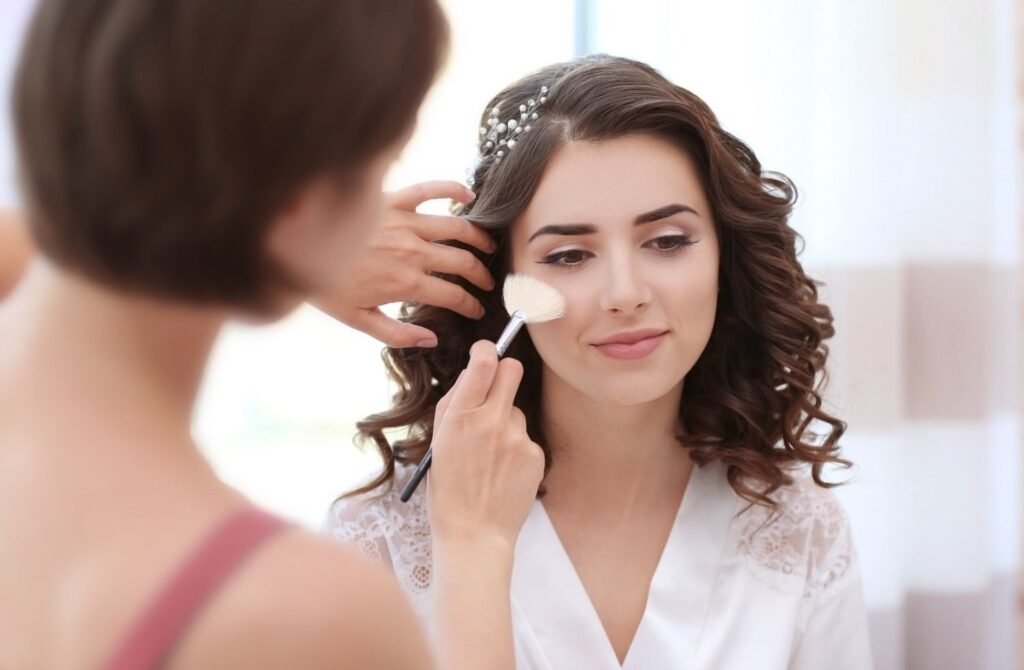
The problem may not be coverage alone. Dark circles can be influenced by genetics, visible blood vessels, hyperpigmentation, allergies, dehydration, aging, and the natural structure beneath the eyes. Even using the best foundation for dry skin will not necessarily correct under-eye darkness if the main cause is pigmentation or facial structure.
Tear-trough hollows can create physical shadows that make the under-eye area look darker, even when pigmentation isn’t particularly strong.
That is why adding another layer of concealer does not always help. If the darkness comes mainly from pigmentation, strategic color correction may work better. If it comes mainly from a facial hollow, makeup can soften the shadow but cannot physically remove the hollow itself.
Frequently Asked Questions (FAQs)
1. What is the best concealer for dark circles for mature skin?
I would look for a lightweight serum or liquid-cream texture with medium buildable coverage and a natural, satin, or softly radiant finish. Hydrating ingredients such as glycerin or hyaluronic acid may also help when the under-eye area feels dry.
2. Should Concealer Be Lighter Than Foundation?
For natural coverage, I prefer a shade close to my skin tone. Going slightly lighter can create brightness, but choosing a dramatically lighter shade may make deep discoloration appear gray or ashy.
3. Do I Need Color Corrector Before Concealer?
Not always. Mild darkness may be covered with a well-matched concealer alone. I would consider color correction when blue, purple, brown, or red discoloration remains visible underneath regular concealer.
4. Is Liquid or Cream Concealer Better for Dark Circles?
Neither is universally better. Liquid, serum, or liquid-cream textures often work well for dry or mature under-eyes, while concentrated creams can provide stronger opacity when darkness is more pronounced.
Final Thoughts
I get better results when I stop treating every dark circle the same way. Texture should match the skin type, coverage should match the depth of discoloration, and the undertone should help neutralize the actual shadow color.
For me, the smartest approach is simple: hydrate first, correct only when needed, place concealer mainly over the darkest areas, blend with a light hand, and use as little powder as possible. This creates brighter-looking under-eyes while keeping the finish natural and comfortable.
Leave a Reply