I no longer judge affordable makeup by the logo on the tube. When I shop at Target, Walmart, CVS, Walgreens, or Ulta, I look first at the formula, finish, applicator, and ingredients. The best drugstore makeup products can deliver strong coverage, pigmentation, comfortable wear, and skin-friendly textures without a prestige-level price.
What Should I Look for in a Drugstore Primer?
I start with skin type. If my T-zone gets shiny, I look for lightweight mattifying or blurring primers with ingredients such as silica, niacinamide, dimethicone, or magnesium silicate. This becomes especially important when choosing makeup for hot, humid weather, because excess heat, sweat, and oil can cause foundation to separate or wear away faster. InStyle’s 2026 testing highlights silica and other oil-controlling ingredients while emphasizing that oily skin still benefits from balanced hydration.
For normal or dry skin, I prefer a hydrating gel or serum-like primer with glycerin, hyaluronic acid, or aloe. Grippy textures can help makeup adhere, but extra stickiness does not automatically mean longer wear. Slashed Beauty’s comparative testing found that a lightweight gel could outperform heavier, tackier formulas over a long day.
Which Drugstore Foundation Formula Is Best for My Skin?
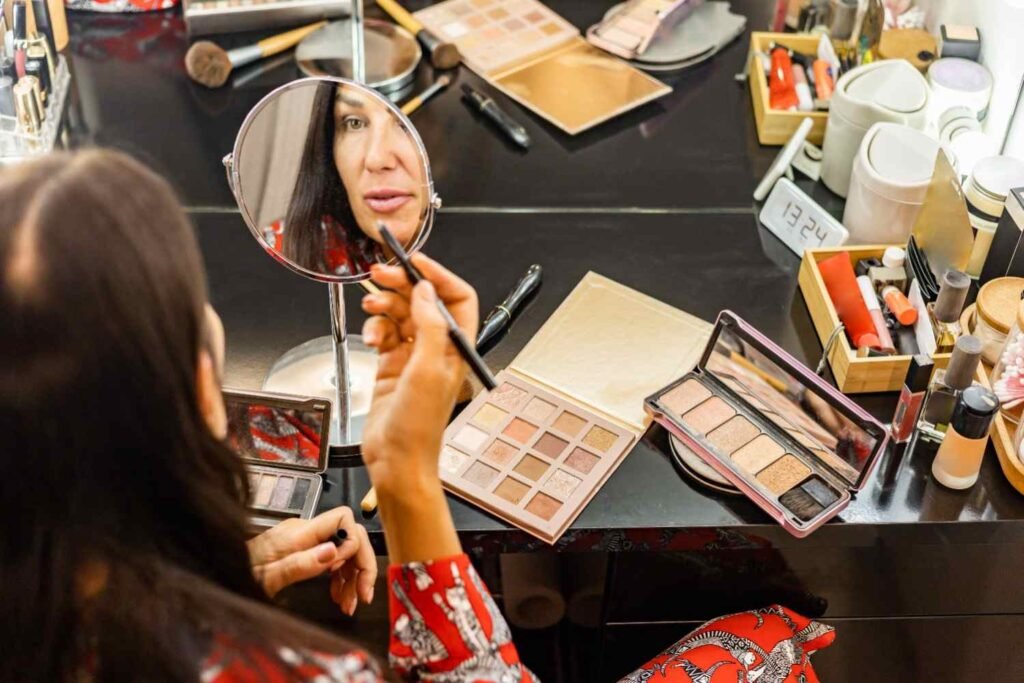
For combination-to-oily skin, I usually look for “matte,” “poreless,” “oil-free,” or “long-wear” wording. I still want a thin, flexible texture that will not look heavy around pores.
If I want more coverage, I look for breathable liquid foundations, especially water-based formulas that spread easily in thin layers. Some products use terms such as “oxygen technology” or “breathable wear.” I treat those as marketing claims to verify. What matters is whether the base gives buildable coverage, feels lightweight, and holds up through a workday, heat, or humidity.
For dry or mature skin, I favor satin, radiant, or serum-like bases with glycerin, hyaluronic acid, or niacinamide. Glamour’s 2026 mature-skin foundation coverage likewise emphasizes hydrating, skin-like formulas rather than automatically choosing heavy matte coverage.
What Makes a Good Drugstore Concealer for Dark Circles?
Under my eyes, I prefer a fluid or serum-like concealer with medium, buildable coverage. A cushioned micro-corrector style is convenient because its built-in sponge can spread a thin layer over dark circles and fine lines.
The Independent’s 2026 testing praised a cushion-tip format for fast application over under-eye darkness, redness, and blemishes. I still use a light hand because too much concealer can emphasize texture. For dry under-eyes, I look for a creamy finish; for blemishes, I prefer slightly higher pigment.
Which Mascara Brush Gives the Most Length and Volume?
I pay almost as much attention to the brush as the mascara. A flexible plastic brush with evenly spaced bristles can grab individual lashes and create cleaner length and separation. For a fuller false-lash effect, I look for a conical or tapered fiber brush. The wider section builds volume while the narrow tip reaches smaller lashes around the corners.
The Independent’s testing of a tapered-brush mascara found strong lift, length, separation, and minimal clumping. For humid summers or long days, I also check for smudge-resistant, tubing, or waterproof performance.
Is Cream or Powder Blush Better?
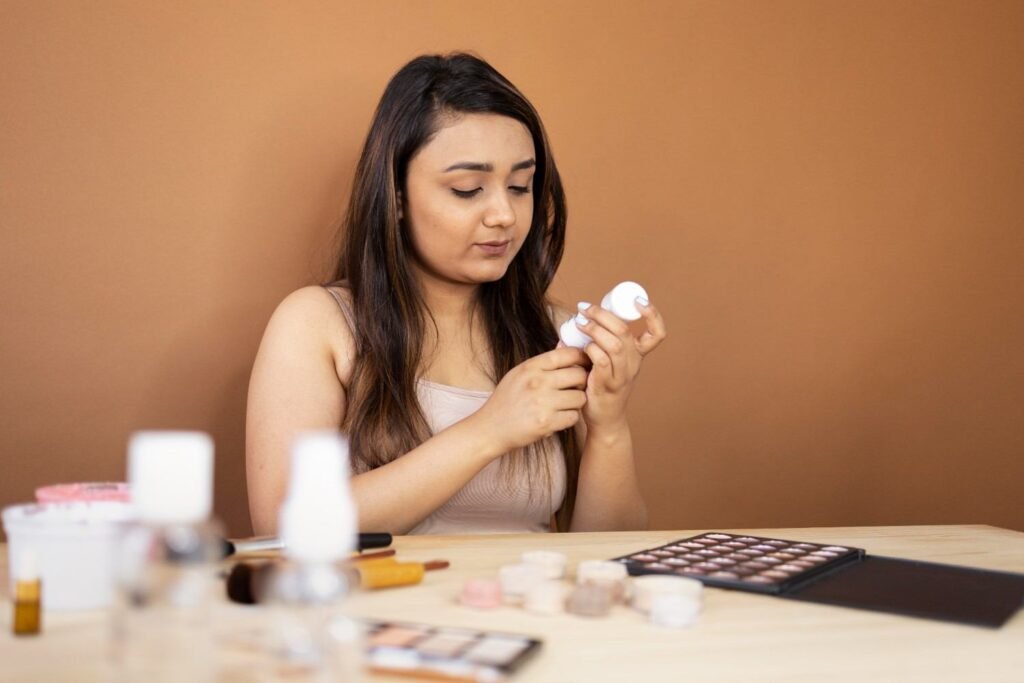
For a fresh, dewy finish, I reach for cream or liquid blush. I like formulas with emollients and ingredients such as vitamin E because they can feel comfortable on dry skin and blend smoothly into a luminous base. With highly pigmented formulas, I apply a small amount and build slowly.
When I want easier layering or more oil control, a silky pressed powder is often simpler. I look for finely milled texture, true-to-pan color, and non-comedogenic or dermatologist-tested claims when those features matter to my skin.
How Do I Choose Setting Products, Brows, and Lips?
For setting powder, I prefer finely milled formulas and use them mainly on the T-zone. For setting spray, I choose hydrating or dewy finishes for dryness and longer-wear or oil-control options for combination and oily skin.
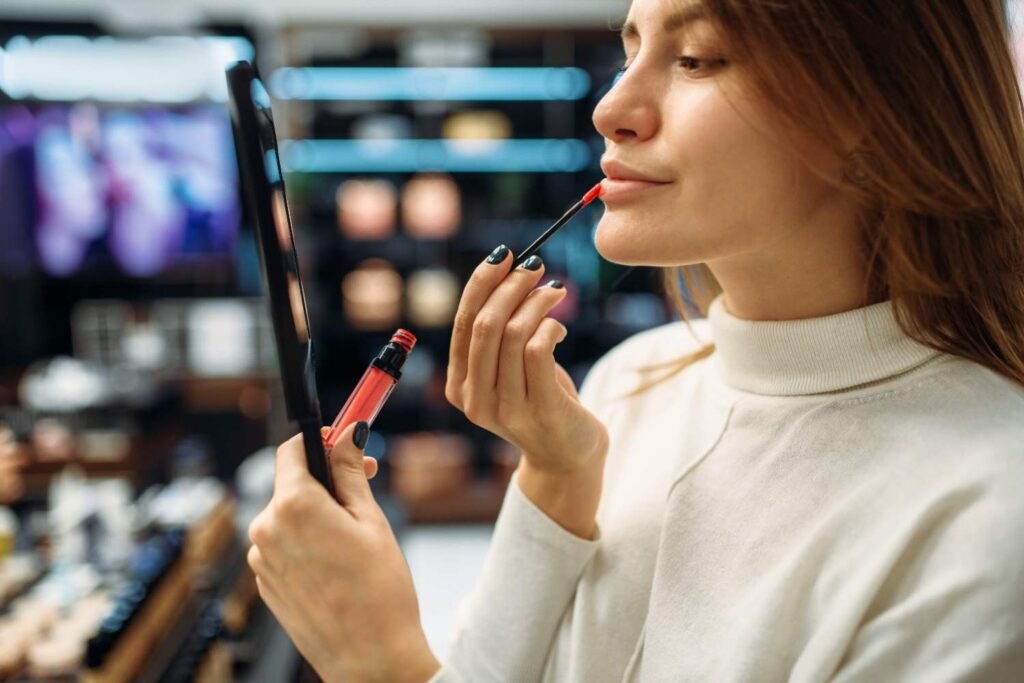
For brows, a fine tip or multi-prong applicator can create hair-like strokes, while a flexible gel works well for hold. For lips, I favor stains, glosses, balms, and liners that wear evenly. Multi-use lip-and-cheek formulas can also offer better value, which makeup artists highlighted in The Independent’s 2026 drugstore guide.
How I Shop for Drugstore Makeup Without Wasting Money
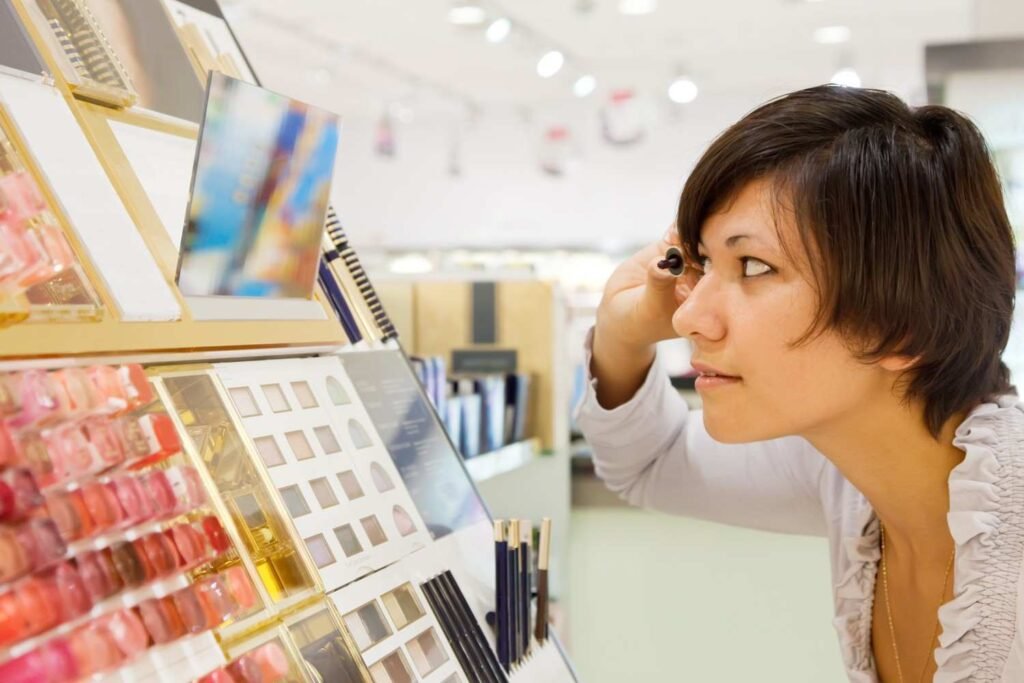
When I compare the best drugstore makeup products, I focus on skin type, finish, shade range, texture, applicator, and realistic wear time.
I read several reviews before buying, especially when testers are unavailable. Byrdie recommends checking reviews because drugstore shoppers cannot always swatch products as easily as they can at prestige beauty counters.
I also look beyond claims such as “24-hour wear,” “poreless,” or “full coverage.” Those descriptions can help narrow my choices, but actual performance depends on skin preparation for makeup, climate, application method, and how the formula interacts with other products.
Frequently Asked Questions (FAQs)
What are the best drugstore makeup products for beginners?
I would start with a lightweight primer, buildable foundation or skin tint, fluid concealer, easy-to-blend blush, mascara, brow product, comfortable lip color, and optional setting product. Forgiving textures are usually easier to learn than ultra-matte or highly pigmented formulas.
Is drugstore makeup really as good as high-end makeup?
In many categories, yes. Current editorial testing from Glamour, Cosmopolitan, Byrdie, and The Independent shows affordable makeup competing on pigmentation, wear, shade range, skin feel, and ingredients. Price alone does not predict performance.
What ingredients should oily skin look for in makeup?
I look for lightweight formulas containing silica, niacinamide, dimethicone, magnesium silicate, or similar oil-controlling ingredients. I also avoid over-drying the skin because dehydrated areas can make foundation look patchy.
Should dry skin avoid powder makeup?
Not necessarily. I use powder strategically rather than heavily. A finely milled blush or setting powder can work well when skin is moisturized, and the product is applied only where needed.
Final Thoughts
I get better results when I shop by performance instead of hype. The strongest drugstore formulas are the ones whose texture, ingredients, finish, and applicator match my skin and routine. Just as drug calculation formulas depend on using the right inputs for an accurate result, choosing makeup works best when I focus on the specific performance factors that suit my needs.
Once I know whether I need oil control, hydration, buildable coverage, flexible pigments, or better lash separation, I can build a polished everyday routine without paying luxury prices.