
A smooth base is less about heavy coverage and more about skin prep, product control, and blending. When I learned how to apply foundation without looking cakey, the biggest improvement came from using less product, letting skincare settle, and building coverage only where needed. That keeps dry patches, fine lines, pores, and natural texture from looking heavier under makeup.
Why Does Foundation Look Cakey?
Foundation usually looks cakey when too much product sits on the skin. Dryness, excess powder, oil buildup, rough texture, heavy layers, or skincare that has not settled can all make the base look thick or patchy. Excess sebum can also cause foundation to separate or gather unevenly, especially around the T-zone.
Adding more foundation rarely hides texture. I get a smoother result by improving the surface underneath and using targeted coverage instead of another full layer.
How Should I Prep My Skin Before Foundation?
I start with clean skin and a lightweight moisturizer suited to my skin type. Dry skin needs enough hydration to keep foundation from gripping rough patches, while oily skin still benefits from moisture. A consistent routine focused on getting clear skin can also help create a smoother, more balanced surface for makeup.
I let moisturizer and sunscreen settle before makeup. Around 5 to 10 minutes can be useful when the layers need time to absorb, although timing depends on the formula and my skin. Primer is optional; I use it only when I need smoothing or extra hydration.
Should Primer and Foundation Have the Same Base?

Compatibility matters, but I do not follow a strict rule that every layer must be entirely water-based or silicone-based. Many formulas contain both.
If makeup pills, separates, rolls up, or turns patchy, I simplify the layers or try another combination. Ingredients such as dimethicone can affect slip, but actual product behavior matters more than one ingredient label.
What Is the Best Step-by-Step Way to Apply Foundation for a Skin-Like Finish?
1. How Much Foundation Should I Start With?
I place roughly one small drop or about half a pump on the back of my hand rather than applying foundation straight to my face. This gives me better control. I then pick up a little at a time with a brush, damp sponge, or fingertips.
2. Where Should I Apply Foundation First?
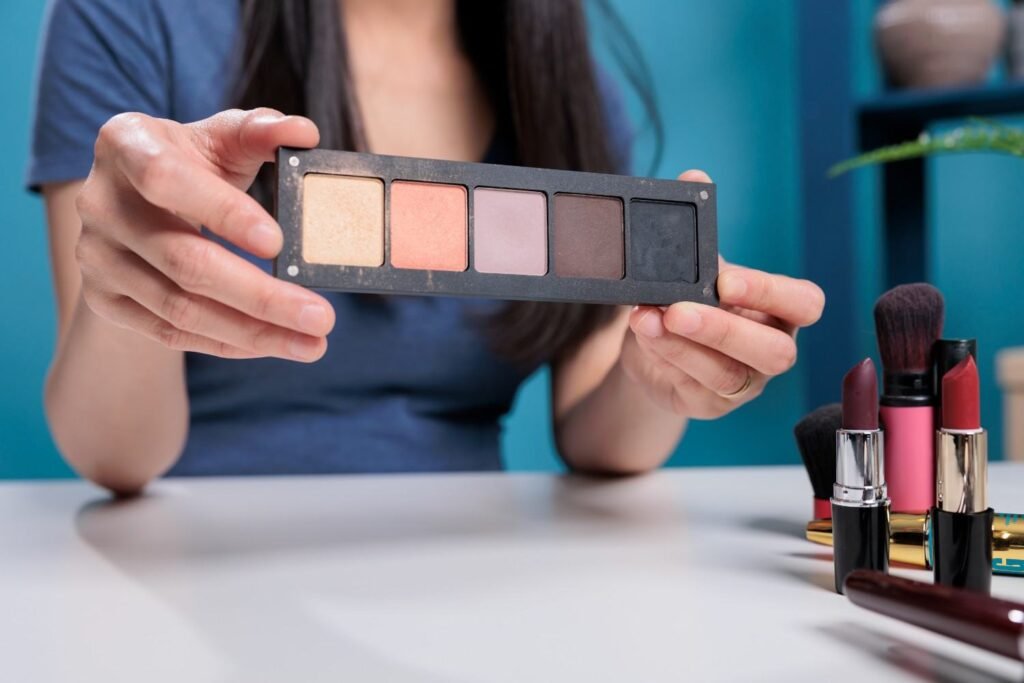
I start around the nose and center of the cheeks, where redness and uneven tone are often most visible. Then I blend outward toward the jawline and hairline. The outer perimeter gets very little product, which keeps the finish natural instead of mask-like.
3. Should I Press or Drag Foundation?
With a damp sponge, I bounce or press foundation into the skin. With a brush, I use light buffing or stippling motions. Repeated dragging can disturb the layers underneath and leave streaks or buildup.
4. How Do I Build Coverage Without Making Foundation Heavy?
If redness, pigmentation, blemishes, or skin discoloration still show, I add a second tiny amount only to those areas. I avoid another full layer because thin, targeted coverage is less likely to settle into pores and expression lines.
5. Should I Use Concealer Instead of More Foundation?
Yes, when only a few areas need extra coverage. Once my complexion looks even, I use concealer on blemishes, discoloration, or under-eye darkness. Spot concealing keeps the rest of the base lighter.
6. Where Should I Apply Powder?
I use a small amount of finely milled translucent powder mainly where shine develops, such as the forehead, nose, and chin. On dry or textured cheeks, I use very little or none. Strategic powdering helps prevent a dusty finish.
7. Should I Use Setting Spray After Foundation?
A light mist of hydrating or natural-finish setting spray can soften a powdery appearance and help the layers look more cohesive. I let it dry naturally instead of touching the face immediately.
Is a Sponge or Brush Better for Natural-Looking Foundation?
A damp sponge usually gives me a softer finish because it can redistribute and absorb a little excess product. A brush can provide slightly more coverage and precision.
Neither tool prevents cakiness by itself. The amount of foundation matters more than the applicator.
How Do I Stop Foundation From Clinging to Dry Patches or Fine Lines?
For dry areas, I focus on hydration and avoid rubbing foundation over flakes. Around fine lines and high-movement areas, I start with less product. After blending, I press over the area with a clean, damp sponge to lift excess, then use minimal powder.
How Can I Fix Cakey Foundation Without Starting Over?
If my makeup becomes heavy later in the day, I blot excess oil first. Then I gently press a slightly damp sponge over the cakey area to redistribute the existing base.
If coverage has worn away, I add a tiny amount of foundation or concealer only to that spot. Another full layer usually makes buildup worse.
Frequently Asked Questions (FAQs)
1. Why Does Foundation Look Cakey Around My Nose?
The nose combines oil, pores, movement, and sometimes dry areas, so product can collect quickly. I use less foundation there and powder only where shine develops.
2. Does More Powder Make Foundation Last Longer?
Not necessarily. Too much powder can exaggerate texture and combine with oil later in the day. Targeted setting usually looks smoother.
3. What Is the Easiest Way to Make Foundation Look Like Skin?
I focus on hydrated skin, a small amount of foundation, center-out blending, targeted extra coverage, and minimal powder. Those habits keep the finish light and believable.
Final Thoughts
Real skin has pores, fine lines, movement, and slight variations in tone, so I do not try to erase every trace of texture. My goal is an even complexion that still looks like skin. This same approach is useful when trying to achieve makeup for glasses without foundation rubbing off, because thinner, well-set layers are less likely to shift around the nose and frame contact points.
The method I use for applying foundation without looking cakey is simple: prep thoughtfully, let layers settle, apply less than I think I need, build only where necessary, powder strategically, and finish with setting spray when useful. A lighter base is easier to wear, easier to repair, and more natural throughout the day.
Leave a Reply