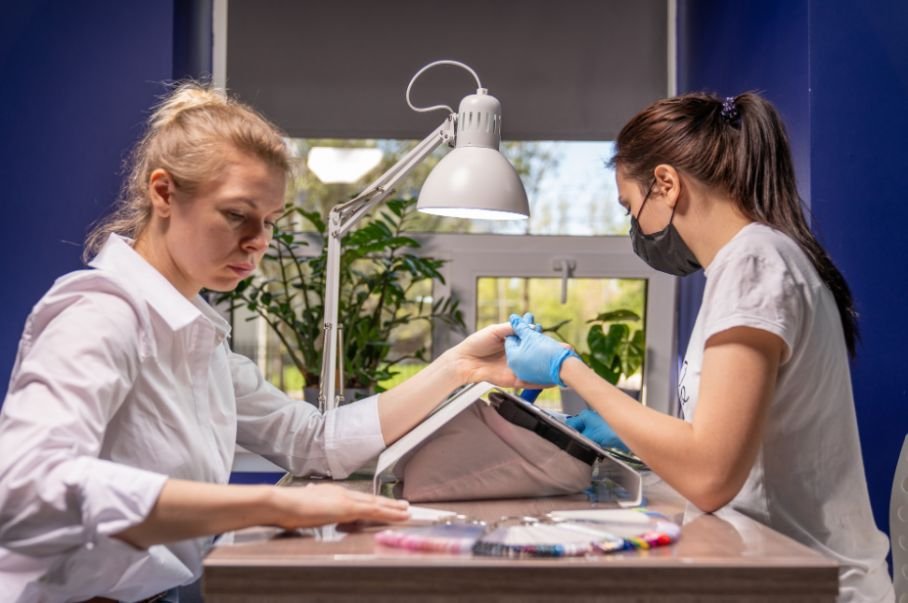
I used to judge a nail salon by its photographs, prices, and online reviews. Those details can reveal something about the finished manicures, but they say very little about infection control or technician practices. Learning how to choose a safe nail salon means looking beyond attractive décor and examining what happens before, during, and after every service.
A responsible salon should be licensed, visibly clean, adequately ventilated, and transparent about its hygiene procedures. Reusable tools should be processed correctly, disposable items should not move between clients, and no treatment should leave the skin bleeding or painfully irritated.
Verify the Salon and Technician Licenses
A salon should display its current operating license where clients can easily see it. Nail technicians may also need individual licenses or registrations, depending on local regulations.
Before booking, I can search the appropriate government licensing database to confirm whether a business or technician has an active credential. This extra step is especially valuable when visiting an independent technician, mobile provider, or home-based salon.
A license does not guarantee a perfect service, but it confirms that the business is operating within a regulated system. Missing, expired, or concealed credentials should be treated cautiously.
Examine the Salon Before Sitting Down
Cleanliness should extend beyond the reception area. I look at the manicure table, floor, chairs, towels, sinks, trash containers, and pedicure stations. Nail clippings, used cotton, product spills, dusty surfaces, or dirty towels can indicate that cleaning is being rushed.
The technician should prepare a clean station for each client. A visually stylish salon is not necessarily hygienic, while a modest salon can be exceptionally well maintained. What matters is the routine I can observe.
Watch How Reusable Tools Are Handled
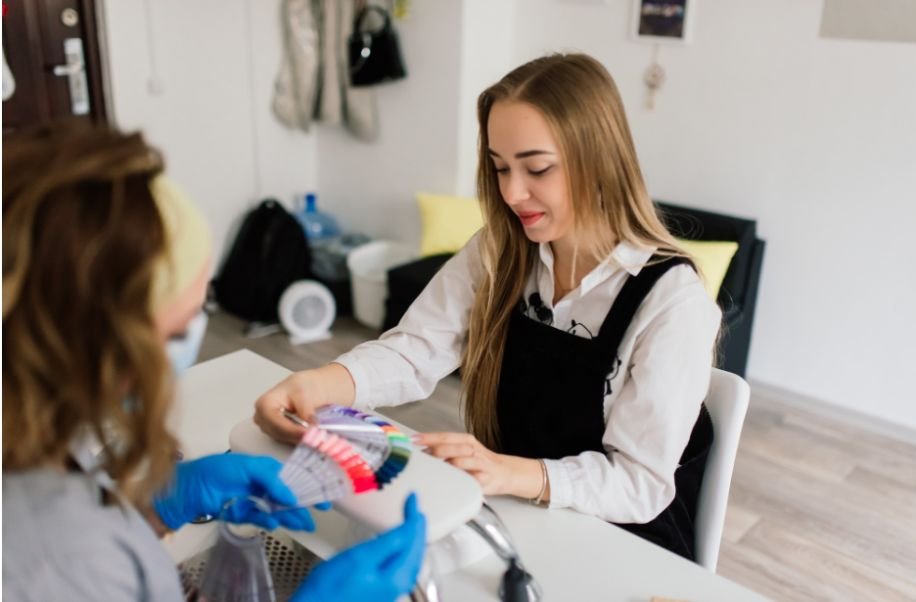
Metal clippers, pushers and nippers can often be reused, but they must be cleaned and disinfected according to applicable regulations and product instructions.
Tools should not be taken from a cluttered drawer immediately after another appointment. A sealed packet can be reassuring, although packaging alone does not prove that the implements were processed correctly. It is reasonable to ask how tools are cleaned, which disinfectant is used, and how prepared instruments are stored.
The staff should answer calmly and specifically. Vague claims that everything is “sanitized” do not explain the salon’s actual procedure.
Check That Disposable Items Are New
Porous supplies are difficult or impossible to disinfect reliably. Nail files, wooden sticks, toe separators, buffers and certain sanding bands are commonly intended for one client only.
I want to see a fresh item opened or taken from a clearly separated supply. A file showing dust, discoloration or wear may have been used previously. Some salons allow clients to take disposable files home, while others discard them immediately after the service.
A plastic pedicure-basin liner can provide an additional barrier, but it does not replace proper cleaning and disinfection of the equipment.
Inspect the Pedicure Area Carefully
The pedicure toolkit deserves special attention because moisture and internal plumbing can make cleaning more complicated. The basin should be drained, scrubbed and disinfected between clients according to the equipment manufacturer’s instructions and local rules.
I would not place my feet in a tub that still contains residue, floating debris or an obviously reused liner. Staff should also have enough time between appointments to complete the required cleaning procedure.
Anyone with broken skin, an active foot infection or a recent injury should postpone the service instead of placing themselves or others at risk.
Notice Ventilation and Chemical Odors
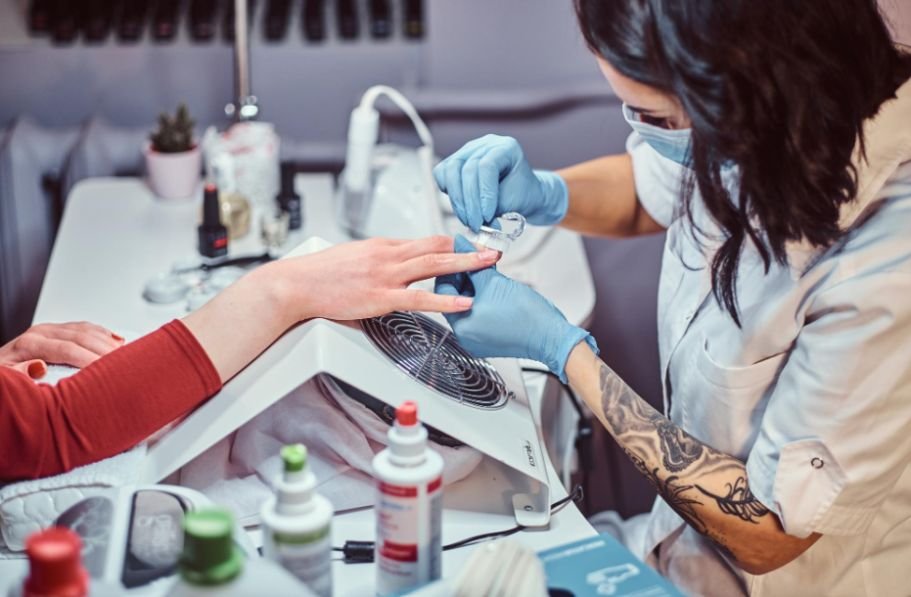
Nail services can release vapors and fine dust, particularly during artificial-nail application, filing and product removal. Effective ventilation helps move contaminated air away from workers and customers.
A salon may naturally have a mild product odor, but an overpowering chemical smell that causes burning eyes, dizziness, coughing or a headache is a warning sign. Open doors, fragrances and air fresheners are not substitutes for a properly designed ventilation system.
Product containers should remain closed when they are not being used. Powders, liquids and polishes should also have readable labels rather than being stored in anonymous containers.
Observe Hand Hygiene and Glove Use
The technician should begin with clean hands, and clients may be asked to wash or sanitize theirs before the appointment. Gloves can provide useful protection during tasks involving broken skin, chemicals or potentially contaminated materials, but gloves must be changed between clients.
Wearing the same pair while touching phones, drawers, money and multiple customers defeats their purpose. Gloves also do not replace handwashing or surface cleaning.
Protect the Cuticles and Surrounding Skin
Cuticles form part of the nail’s protective barrier. Aggressive cutting can create small wounds that allow microorganisms to enter. Gentle care around dead surface tissue is different from deeply cutting living skin.
If gel manicures have left your nails or surrounding skin feeling dry, tender, or damaged, following proper nail care after gel manicures can help restore the area and reduce further irritation.
The service should not involve persistent burning, sharp pain or bleeding. If an electric file feels hot or a tool begins cutting the skin, I should ask the technician to stop immediately. A skilled professional will adjust the technique instead of dismissing the discomfort.
Aggressive callus removal can create similar problems. Razors or other bladed devices may be prohibited in some locations, and excessive scraping of corns and calluses can leave the feet vulnerable to pain, bleeding, and infection.
Do Not Shave Immediately Before a Pedicure
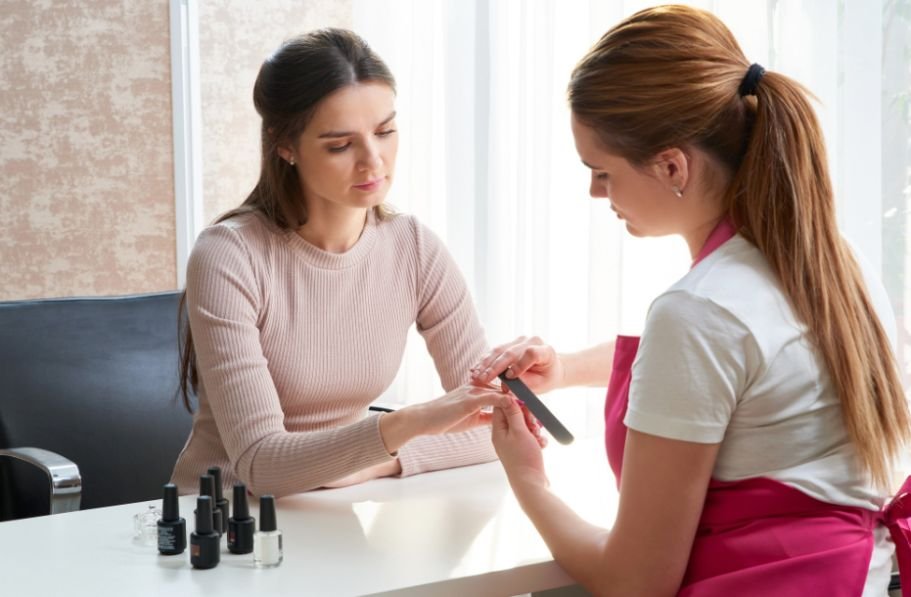
Shaving can produce tiny cuts that are difficult to see. These openings may increase exposure to microorganisms in a foot bath or on improperly handled equipment.
It is safer to avoid shaving shortly before a pedicure, particularly when the skin becomes irritated easily. I should also disclose cuts, rashes, nail changes or suspected infections before the service begins.
People with diabetes, reduced circulation, neuropathy or weakened immunity may need medical guidance before receiving a pedicure.
Read Reviews for Safety Details
Online ratings can help, but I look beyond comments about colors and nail art. Reviews mentioning recurring infections, painful filing, reused tools, dirty tubs or unprofessional responses deserve attention.
One complaint does not prove that a salon is unsafe. A repeated pattern across recent reviews is more meaningful. Photographs uploaded by customers may also show whether workstations appear orderly and whether the salon has remained consistent over time.
Know When to Leave
I would leave if staff refuse to discuss hygiene, reuse visibly worn supplies, ignore bleeding, hide licensing information, use unmarked products or begin working at a dirty station. A low price or nonrefundable deposit is not worth accepting preventable risk.
After an appointment, increasing redness, warmth, swelling, pus, severe pain, discoloration or a spreading rash should not be ignored. Persistent or worsening symptoms require advice from an appropriate healthcare professional.
After a manicure or pedicure, persistent discoloration, swelling, pain, or changes in nail texture can be among the signs of unhealthy fingernails that deserve closer attention rather than another cosmetic treatment.
Frequently Asked Questions
1. How can I tell whether nail tools are clean?
Observe where the tools come from and ask how they were processed. Reusable implements should be cleaned and disinfected appropriately, while porous single-use products should be new.
2. Why does a nail salon need good ventilation?
Ventilation helps remove chemical vapors and filing dust from the breathing area. A powerful chemical odor accompanied by irritation may indicate inadequate air control.
3. Can I bring my own nail tools?
Some salons permit personal tools, but bringing them does not eliminate every hygiene risk. The station, technician’s hands, pedicure equipment and products must still be handled safely.
4. What is the fastest way to learn how to choose a safe nail salon?
Check the licenses, observe tool handling, inspect the workstation, confirm that disposable items are new, assess ventilation, and leave if the technician causes injury or avoids reasonable questions.
Final Thoughts
I no longer treat salon safety as something I can judge from a polished website or a five-star rating. I pay attention to credentials, tool processing, disposable supplies, ventilation, pedicure equipment and the technician’s willingness to explain each procedure.
A good salon does not make hygiene feel secretive or inconvenient. Its staff follow consistent routines, respect the skin’s protective barrier and respond immediately when a client experiences discomfort. Those habits matter far more to me than elaborate décor or a discounted service.
Leave a Reply