
A fresh makeup look should not disappear before lunch. Heat, humidity, commuting, office air conditioning, facial oil, and everyday touching can make foundation fade, crease, or separate. I have found that how to make makeup last all day is less about piling on more product and more about preparing the skin well, applying thin layers, and setting only where extra hold is needed.
Why Does Makeup Fade, Separate, or Crease?
Makeup usually breaks down because oil, sweat, movement, or excess product weakens its grip. Heavy moisturizer can leave skin too slick, while dry patches can make foundation cling unevenly. Hot, humid weather can speed up fading during US summers.
Formula compatibility matters too. If primer and foundation pill, separate, or slide when layered, I simplify the routine or change one formula.
How Should I Prep My Skin Before Makeup?
I start with clean skin and a lightweight moisturizer suited to my skin type. During the day, I apply sunscreen and give my skincare time to absorb before starting makeup. Applying foundation while the surface still feels wet or greasy can make later layers move.
Primer should solve a specific problem. On an oily T-zone, I may use a gripping or mattifying primer. On dry skin, I prefer a smoother, more hydrating base. I keep the layer thin before foundation.
How Do I Apply Foundation So It Lasts Longer?
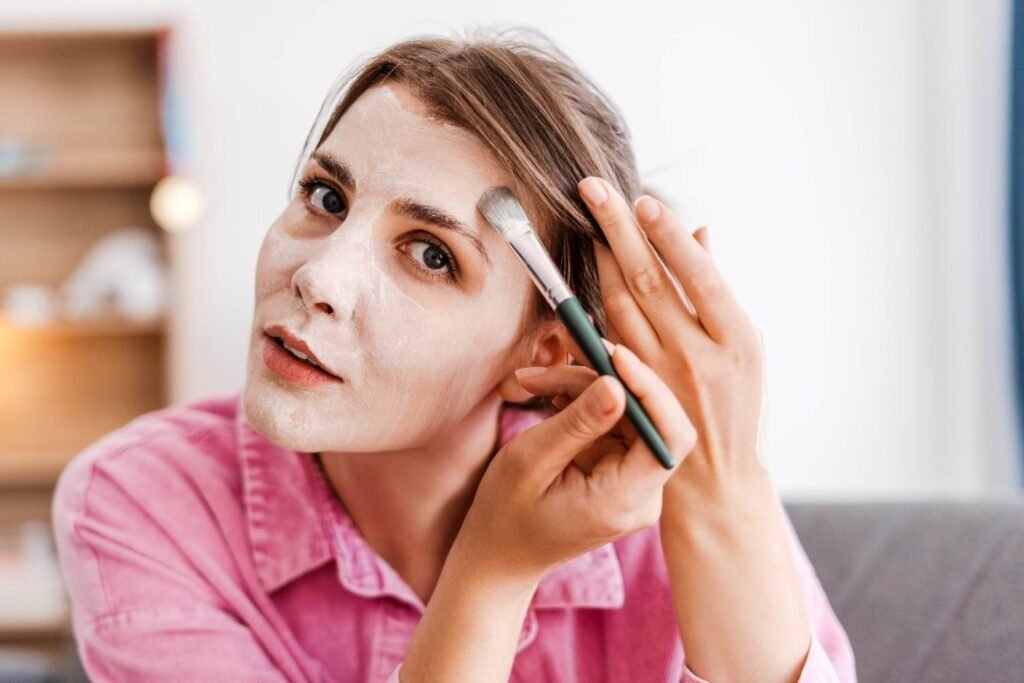
Thin, buildable layers usually wear better than one thick coat. I apply a small amount where I need coverage most and blend outward.
Instead of swiping repeatedly, I press and push foundation into the skin with a damp sponge or dense brush. If I need extra coverage, I build another light layer only over redness or discoloration.
I also avoid loading unnecessary product onto high-movement areas such as the sides of the nose and upper lip. If those spots look even, less product often means less separation later.
What Is the Sandwich Setting Method?
The sandwich-setting technique adds hold without relying on a heavy final layer of powder. After liquid and cream complexion products, I lightly mist setting spray and let it settle. Then I press a small amount of translucent loose powder into areas that crease or become oily, such as the T-zone, around the nose, and under the eyes when needed. This lighter approach can be especially useful when wearing the best concealer for mature skin, since too much powder may emphasize fine lines or dryness.
After blush, bronzer, eye makeup, and lips are finished, I use another light mist of setting spray. Some makeup artists also mist between selected steps for very long days, but I avoid soaking the skin.
How Can I Keep Blush, Bronzer, Eyes, and Lips From Fading?
For extra staying power, I layer a light cream or liquid blush or bronzer under a small amount of powder in a similar shade. The first layer gives color and grip, while the powder helps set it.
For eye makeup, I keep excess skincare away from the lids and use eye primer if creasing is common. Waterproof eyeliner and tubing or water-resistant mascara can help reduce smudging in sweat and humidity.
For lips, longer-wear or transfer-resistant formulas generally hold up better than very creamy textures.
How Do I Make Makeup Last on Oily or Dry Skin?
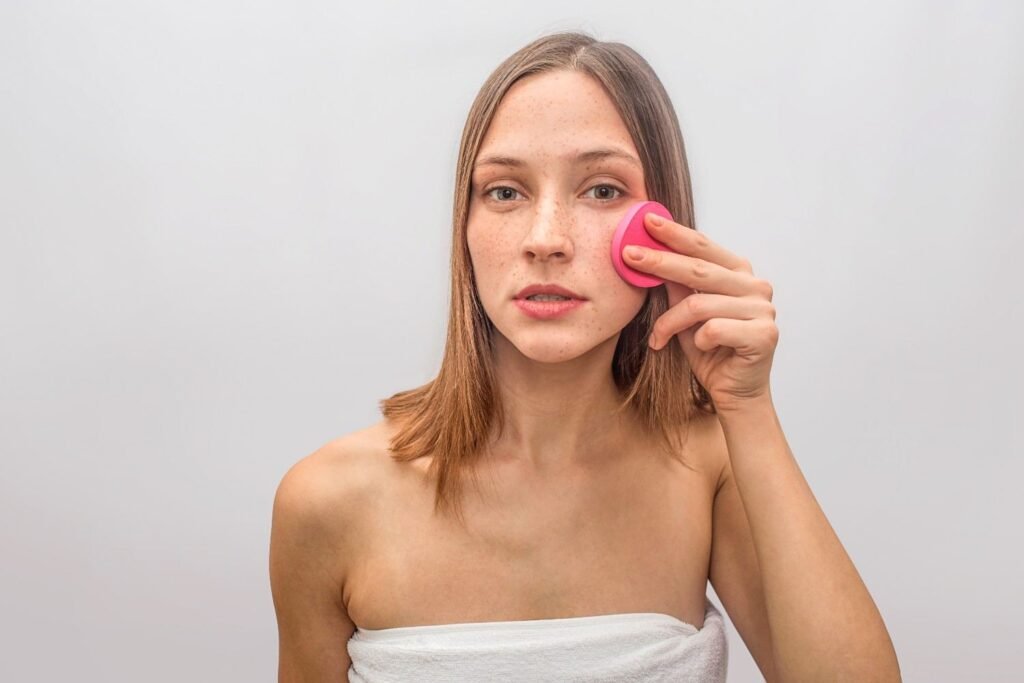
For oily skin, I concentrate oil control where I need it most. A mattifying or gripping primer through the T-zone, thin foundation, and pressed powder can improve wear without making the entire face look flat.
For dry skin, I prioritize hydration and use powder sparingly. Too much powder can exaggerate flakes and texture. Combination skin often benefits from more setting around the forehead, nose, and chin, with lighter powder elsewhere.
How Do I Keep Makeup On in Heat and Humidity?
When temperatures rise, I simplify. Heavy skincare and thick complexion layers are more likely to move once sweat appears.
I use lighter layers and give each step time to set. Long-wear, transfer-resistant, smudge-resistant, and waterproof formulas can be useful when I expect an outdoor event, humid commute, or long summer day.
Most importantly, I do not powder directly over sweat. I blot moisture first and then touch up only where necessary.
How Should I Touch Up Makeup Without Making It Cakey?
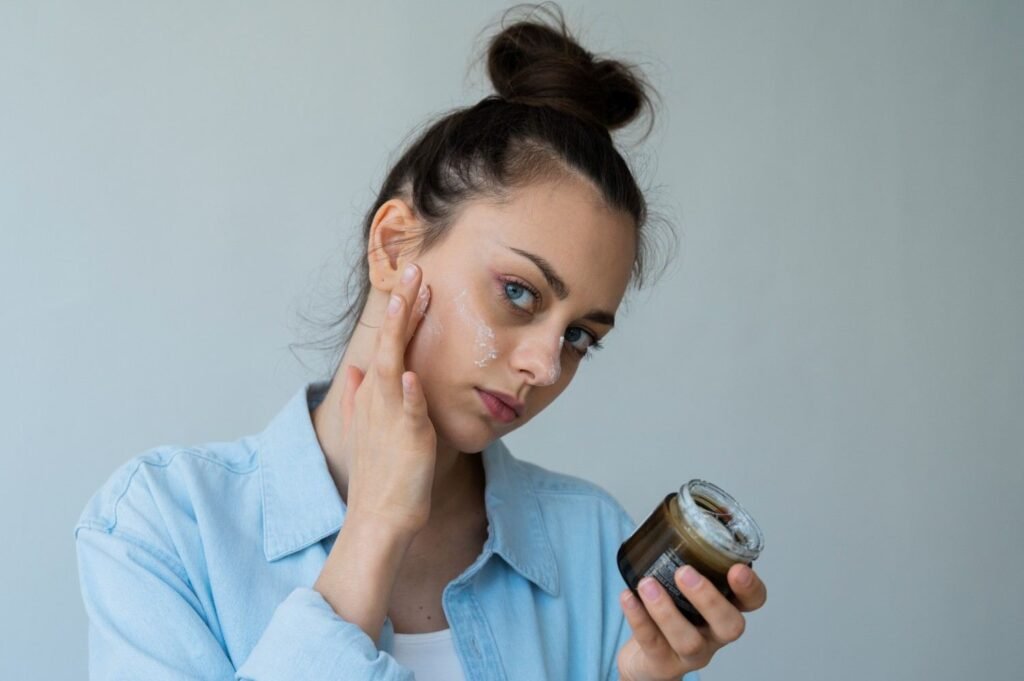
When shine appears, I blot instead of immediately adding powder. Blotting papers or a clean tissue can remove excess oil without building extra texture.
If foundation has shifted, I gently press the existing makeup back into place before adding anything. Only then do I use a tiny amount of concealer, foundation, or powder if coverage is still needed. I also keep my hands off my face because oils from the fingers can break down base makeup.
For me, how to make makeup last all day comes down to controlled layering rather than maximum layering.
FAQs About Long-Lasting Makeup
1. Should I Use Both Setting Powder and Setting Spray?
Yes, when used strategically. Powder helps control oil and stabilize cream or liquid makeup, while setting spray can help the finished layers meld together and improve wear.
2. Does Primer Really Make Makeup Last Longer?
It can, especially when it targets oiliness, texture, or poor foundation grip. I do not consider primer mandatory for every skin type, so I use it only where it improves wear or finish.
3. How Can I Stop Makeup From Melting by Midday?
Use lightweight skincare, let layers set, apply foundation sparingly, press instead of swipe, set oily areas, and blot before touching up. In hot weather, lighter layers usually wear better than thick ones.
4. What Is the Best Way to Keep Makeup Fresh From Morning to Night?
The most reliable answer to how to make makeup last all day is balanced skin prep, thin application, targeted powder, setting spray, durable eye and lip formulas, and minimal midday touch-ups.
Final Thoughts
Long-lasting makeup should still look like skin. I get better wear when I build coverage gradually, press products into place, and set strategically. A consistent skin care routine can also create a smoother, more balanced base for makeup, especially when it supports the skin’s hydration needs.
The exact routine can change with oiliness, dryness, temperature, and humidity, but the core approach stays the same: prep carefully, layer lightly, set intelligently, and touch up only when needed.
Leave a Reply