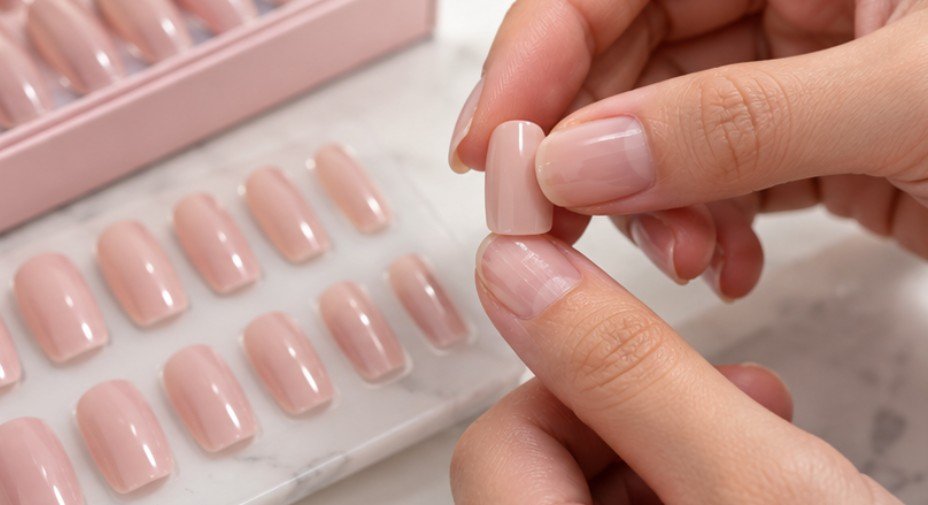
A press-on nail can look secure and still be one shower away from lifting. Usually, the problem is not simply weak glue. Adhesive fails when oil, moisture, air gaps, poor sizing, or movement prevents the fake nail from forming close contact with the natural nail.
If you keep asking why do my press on nails keep popping off, look at which nail fails, where it lifts, and how soon it happens. Those clues usually reveal whether the real issue is prep, fit, curing time, or daily wear.
What Is Happening When a Press-On Pops Off?
A 2024 medical review of do-it-yourself nail cosmetics notes that press-on kits commonly use cyanoacrylate- or methacrylate-based glues and are generally designed for about one to two weeks of wear. Read the medical review on DIY nail cosmetics. For glue to hold, the press-on needs close contact with a clean, dry nail plate. Oil creates a barrier. Water can weaken a fresh bond. A tip that is too wide, too curved, or too flat creates constant leverage.
In other words, longevity depends on both chemistry and fit.
Five Reasons Press-On Nails Lift Too Soon
1. Oil or Lotion Is Still on the Nail
Natural oil, hand cream, cuticle oil, and fingerprints can interfere with adhesion.
The same principle applies to other beauty routines where product layers can interfere with application; understanding why does sunscreen pill under makeup can help explain how residue and layering affect the final result.
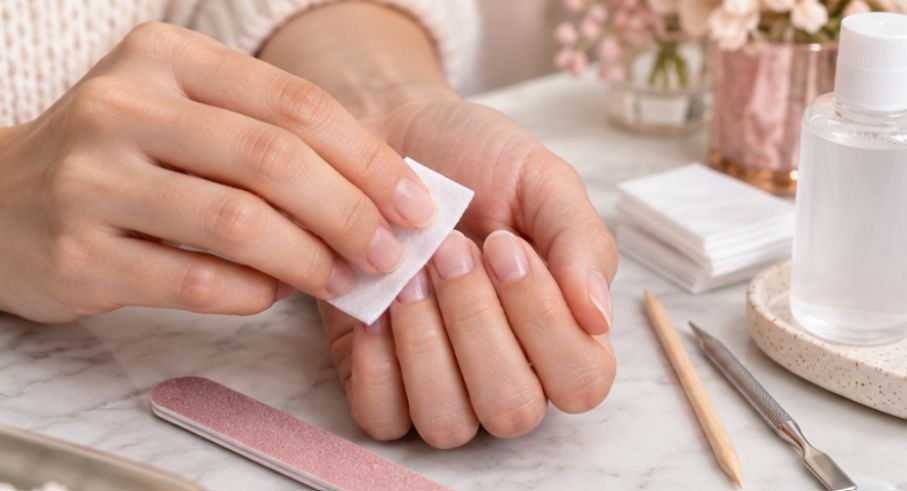
Before applying nails, wash and dry your hands, remove surface dust, then wipe each nail with isopropyl alcohol or the prep pad supplied with the set. Once cleaned, avoid touching the nail plate.
Do not over-buff. Aggressive filing may thin the natural nail rather than improve wear.
2. The Press-On Is the Wrong Size
A press-on that overlaps the sidewalls can catch on hair or clothing and act like a tiny lever.
If you are between sizes, choose the smaller option if it still covers the nail properly, then file the edges for a closer fit.
3. The Curves Do Not Match
A highly curved press-on placed over a flat nail may leave an air pocket in the center. A flat tip on a more curved nail can lift at the sides.
Choose a style that follows your natural curve. Extra adhesive cannot permanently correct a badly mismatched shape.
The same attention to shape and fit matters when refreshing textured hair, since how to refresh curly hair without washing often depends on restoring the curl pattern without disturbing its natural shape.
4. You Are Rushing the Bond
Fast-setting glue grabs quickly, but that does not mean the bond is fully stable.
Place the press-on carefully, then hold firm, even pressure for about 20 to 30 seconds or for the time stated by the manufacturer. Press across the whole nail, not only the center, so the edges make contact too.
5. Water Reaches the Nails Too Soon
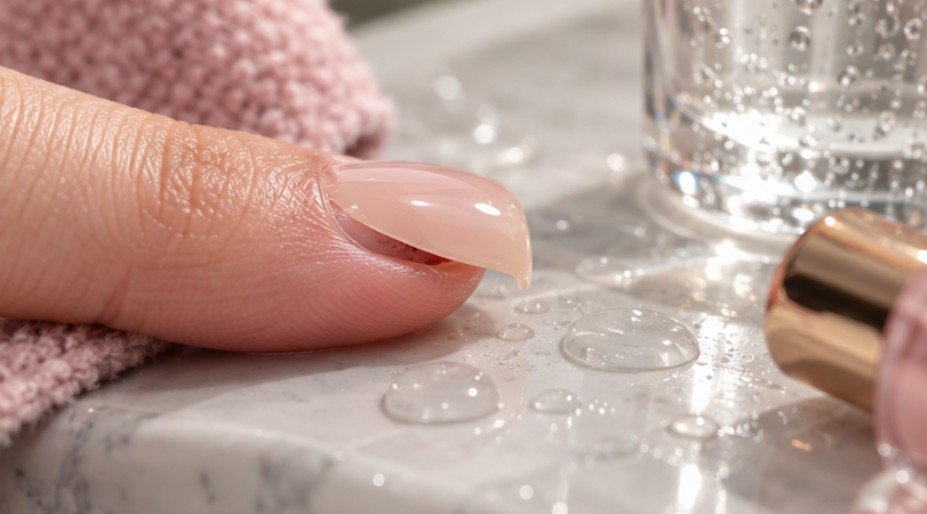
Showering, swimming, doing dishes, or soaking in a bath immediately after application puts a fresh bond under stress.
Applying press-ons before bed, after your final hand-washing, gives the adhesive several dry, low-movement hours before everyday tasks.
Use the Failure Pattern to Diagnose the Problem
| What happens | Most likely cause | Best adjustment |
| Nail falls off cleanly within hours | Oil or incomplete prep | Degrease carefully and avoid touching the nail |
| Same finger always lifts | Poor fit or nail curvature | Refit that finger and check for a gap |
| Side edge lifts first | Tip is too wide or poorly shaped | Size down or file the edge |
| Nails lift after dishes or a shower | Water exposure | Give the bond more dry time |
| Nail becomes sore or damaged | Trauma, over-buffing, or irritation | Stop reapplying until it recovers |
If eight nails stay on and the same two fail, changing glue brands may not solve anything. Those fingers probably need a better fit.
A Better Application Routine
Size all ten press-ons before opening the glue. Adjust the sides first, then wash and dry your hands thoroughly.
Gently push back excess cuticle without cutting living skin. Lightly buff only if the manufacturer recommends it. Remove all dust and wipe the nail plate with alcohol or the supplied dehydrating pad.
Work one nail at a time. Use enough adhesive for full contact without flooding the cuticle. Position the tip, press from the base toward the free edge to reduce trapped air, and hold it still for about 30 seconds.
Then avoid prolonged water exposure or heavy hand work for the next several hours.
More Glue Is Not Always Better
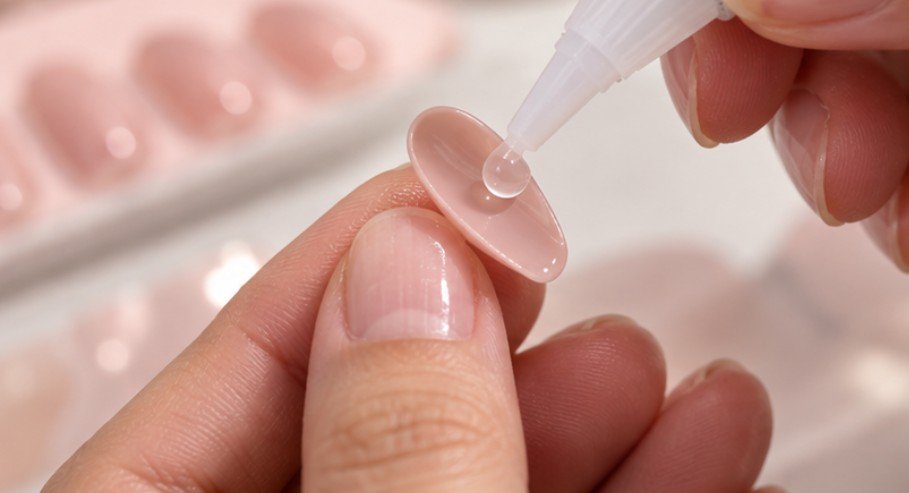
Too much glue can create an uneven layer and squeeze adhesive onto surrounding skin.
That matters because nail products can cause irritation or allergic contact dermatitis in some people. The U.S.
Food and Drug Administration explains FDA guidance on nail care products that reactive ingredients used in artificial-nail products may cause redness, swelling, and pain in people who become sensitized, and recommends minimizing skin contact.
The American Academy of Dermatology also identifies artificial nails and nail products as possible triggers of contact dermatitis, including reactions that may appear away from the fingertips.
Persistent redness, itching, swelling, blistering, pain, or nail separation is a reason to stop using the product and seek medical advice.
Why a Lifted Nail Should Not Be Ignored
A partially detached press-on can trap moisture underneath.
Cleveland Clinic dermatologist Taryn Murray, MD, has explained that moisture trapped beneath press-on nails can create an environment where bacteria or fungi may grow. Signs worth watching include swelling, redness, tenderness, and nail discoloration.
If a press-on is clearly lifting, remove it as directed, then clean and dry the natural nail before reapplying.
Nail-Glue Safety Matters Too
Many fast nail glues contain cyanoacrylate. Poison Control explains that cyanoacrylate bonds skin rapidly and can release heat during polymerization. Large exposures can cause irritation or even burns, and pulling bonded skin apart may worsen an injury.
Be particularly careful around cotton or wool because cyanoacrylate can react with these materials and generate significant heat.
In the U.S., significant glue exposures involving the eyes, mouth, extensive skin bonding, or severe symptoms warrant Poison Control or medical advice rather than experimenting with aggressive removal methods.
Frequently Asked Questions
1. Why do my press on nails keep popping off after one day?
Oil, poor sizing, an air gap, too little setting pressure, or early water exposure are the most common reasons.
2. Should I buff my nails before applying press-ons?
A very light buff can help if the product instructions recommend it. Avoid aggressive filing because it can thin and weaken your natural nails.
3. Is nail glue better than adhesive tabs?
Glue usually provides longer wear. Tabs are easier to remove and may work better for short-term use, events, or reusable press-on sets.
4. Can I reglue a press-on that has lifted?
Yes, if both surfaces are clean, dry, undamaged, and free of old adhesive. Never seal moisture, dirt, or irritation underneath a lifting nail.
The Takeaway: Fix the Weakest Point
A popping press-on usually leaves evidence. A clean early release points to prep, repeated failure on one finger points to fit, side lifting suggests sizing or curvature, and post-shower lifting points to moisture.
Instead of automatically reaching for stronger glue, improve the contact between the two surfaces. Clean carefully, fit each nail individually, use even pressure, and give the adhesive a dry window before testing it. If soreness, rash, discoloration, or nail separation appears, stop and address the natural nail first. Long wear starts with precise fit, not excess glue.
Leave a Reply