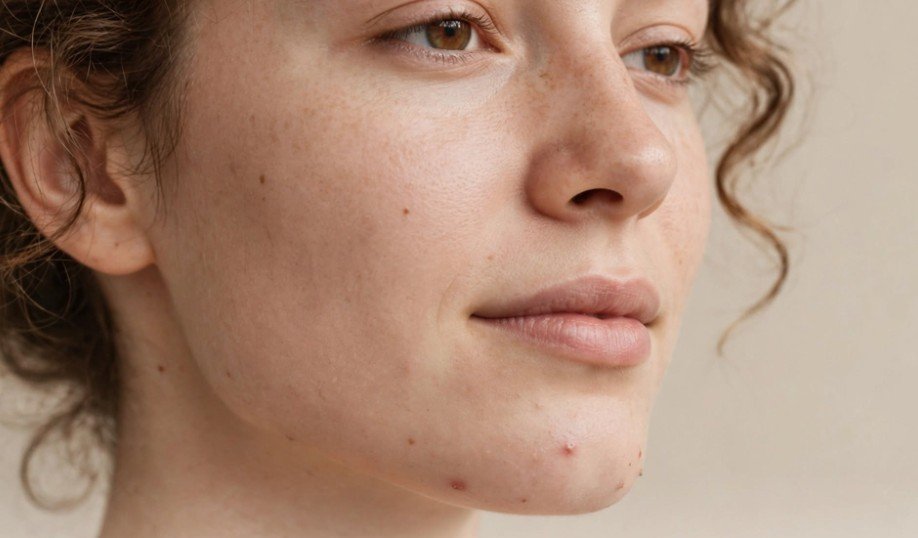
When cystic flares invaded my jawline in my mid-twenties, three separate clinicians handed me the exact same prescription: combination oral contraceptives. I refused. I wanted to balance my body, not mask symptoms with synthetic hormones that would inevitably cause a rebound surge the moment I stopped taking them.
Learning how to treat hormonal acne without birth control required stripping away online marketing fads and leaning directly into dermatological endocrinology.
You do not need oral contraceptives to get clear skin. By blocking androgen receptors directly, optimizing cell turnover, and curbing insulin-driven sebum production, you can resolve deep hormonal cysts at the source.
The Biology: Why Your Jawline Is Inflamed
Hormonal acne is not a hygiene failure. It stems from an inflammatory conversation between your endocrine system and your sebaceous glands.
[Systemic Surge / Bloodstream]
Androgens (Testosterone & DHT) + Insulin / IGF-1 Spikes
│
▼
[Target Site: The Pore]
Binds to Sebaceous Gland Receptors
│
▼
Hyperkeratinization + Sebum Overproduction
│
▼
Clogged Follicle ──► Deep, Painful Cystic Flare
During luteal phase shifts or periods of chronic stress, androgen levels spike or estrogen levels dip. This relative androgen excess signals your sebaceous glands to produce thick, sticky sebum.
Androgen Sensitivity vs. Androgen Excess
Most women battling adult hormonal acne actually have normal circulating testosterone levels on standard blood panels. The issue is rarely an overt endocrine tumor; it is localized receptor hypersensitivity.
Your pore lining converts free testosterone into dihydrotestosterone (DHT) via the enzyme 5-alpha reductase. DHT binds to your sebaceous receptors with roughly five times the affinity of standard testosterone, driving rapid sebum overproduction.
If dead skin cells fail to shed properly, this excess oil pools beneath the surface. While surface congestion might require steps to get rid of closed comedones on forehead, hormonal eruptions run much deeper. They create hypoxic, inflamed microenvironments that turn into tender subcutaneous cysts.
Medical Alternatives to the Pill That Actually Work
If you choose to bypass hormonal contraceptives, dermatologists rely on targeted therapies that halt androgenic activity without altering your systemic reproductive cycle.
+——————+———————+———————–+
| Feature | Oral Spironolactone | Topical Winlevi |
+——————+———————+———————–+
| Delivery Mode | Daily oral tablet | Twice-daily cream |
| Action Zone | Systemic body-wide | Localized to pores |
| Time to Results | 8 to 12 weeks | 10 to 12 weeks |
| Blood Pressure | Slight decrease | No impact |
| Eligible Sex | Females only | Males & Females (12+) |
+——————+———————+———————–+
Oral Spironolactone: The Internal Receptor Blocker
Spironolactone is an oral aldosterone antagonist originally developed as a potassium-sparing diuretic. For adult female acne, dermatologists prescribe it off-label at low doses (typically 50 mg to 100 mg daily).
Spironolactone binds competitively to androgen receptors in your sebaceous glands. When testosterone tries to signal your oil glands, spironolactone blocks the receptor site. According to the American Academy of Dermatology, spironolactone achieves significant clearance in up to 85% of adult women.
Because it is a diuretic, you will urinate more frequently and need to hydrate consistently. Note that it is strictly contraindicated during pregnancy due to the risk of anti-androgenic effects on a male fetus.
Topical Winlevi (Clascoterone): Localized Hormone Defense
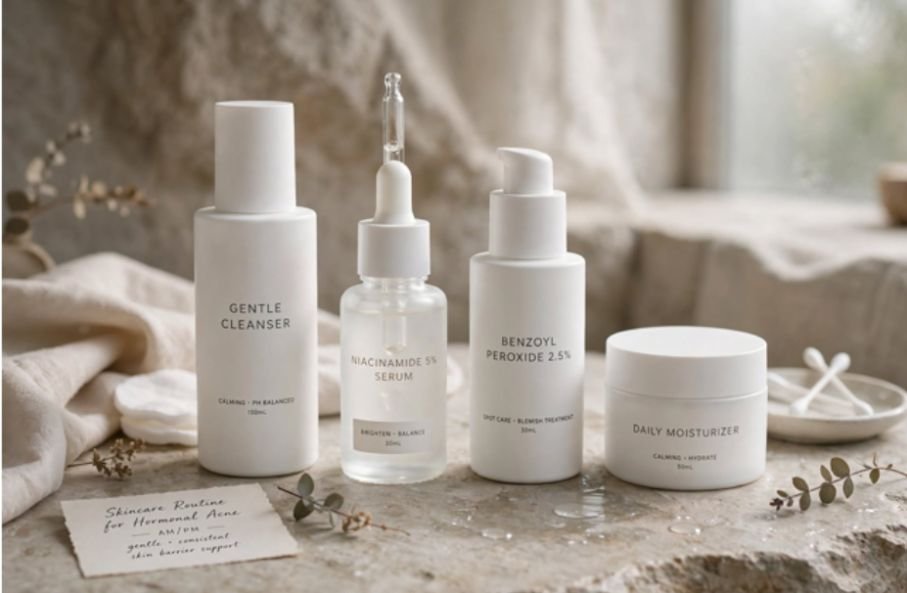
If you prefer to avoid oral prescription pills entirely, Winlevi (clascoterone 1% cream) represents the first major pharmacological breakthrough in decades. Published clinical data in the Journal of the American Academy of Dermatology confirms that clascoterone competes directly against DHT at the skin surface.
The distinct advantage of Winlevi is its localized metabolism. Once the cream penetrates past the epidermis, tissue enzymes immediately break the active molecule down into cortexolone—an inactive, harmless metabolite. It will not alter your systemic blood pressure, flush out electrolytes, or disrupt your menstrual cycle. It gives you targeted hormonal control strictly where applied.
Building an Anti-Androgenic Skincare Routine
Topical products cannot alter your internal endocrine production, but they dictate how your skin cells respond to hormonal stress. Layering ingredients correctly prevents dead cells from sealing androgen-fueled oil inside your follicles. Structuring your morning vs night skincare routine steps order ensures your skin barrier stays resilient while handling high-potency actives.
Active Topicals: Retinoids, Dapsone, and Azelaic Acid
- Prescription Retinoids (Tretinoin, Tazarotene): Retinoids accelerate cellular turnover down inside the pore channel. Starting at 0.025% tretinoin two nights per week prevents microcomedones from hardening into inflammatory papules.
- Topical Dapsone (Aczone 5% to 7.5%): Originally an antimicrobial, dapsone gel functions as an exceptionally gentle topical anti-inflammatory. It inhibits the neutrophil oxidative burst that turns minor pore blockages into red, swollen cysts.
- Prescription Azelaic Acid (15% to 20%): A multi-functional dicarboxylic acid that mildly inhibits 5-alpha reductase, reduces redness, and dissolves post-inflammatory erythema (PIE) left behind by deep breakouts.
Natural Anti-Androgens and Supplements: What Science Actually Supports
The wellness industry promotes dozens of natural cures, but only a handful possess genuine clinical backing for hormonal breakouts.
[Spearmint Tea] [Elemental Zinc]
│ │
Reduces Free Testosterone Inhibits 5-Alpha Reductase
(~15-30% in Trials) & Reduces IL-6 / TNF-a
│ │
▼ ▼
Lowers Systemic Suppresses Follicular
Hormonal Stimulation Inflammation
Zinc, Spearmint Tea, and Why I Caution Against DIM
- Spearmint Tea (Mentha spicata): Clinical trials cataloged on PubMed show that consuming two cups of organic spearmint tea daily significantly decreases free plasma testosterone in women with androgen excess. Phenolic compounds in the tea gently blunt androgen synthesis without pharmaceutical side effects.
- Zinc Picolinate or Gluconate: Taking 30 mg of elemental zinc daily suppresses inflammatory cytokines (specifically TNF-alpha and IL-6) and exerts mild inhibitory activity against 5-alpha reductase. Always take zinc with a meal to avoid acute nausea.
- The Problem with DIM (Diindolylmethane): Social media frequently claims DIM cures cystic acne by balancing estrogen metabolites. However, human clinical trial data for acne clearance is nonexistent. In clinical practice, unmonitored DIM supplementation frequently shifts estrogen pathways too aggressively, triggering headaches, irregular spotting, and severe paradoxical cystic breakouts. Skip the DIY hormone manipulation unless guided by an endocrinologist.
Lifestyle Levers: Taming Cortisol and Insulin Surges

Your dietary choices and stress markers interact directly with androgen pathways through an axis governed by Insulin-like Growth Factor 1 (IGF-1).
- Flatten the Blood Glucose Curve: Simple carbohydrates and high-glycemic foods cause acute insulin spikes. Elevated insulin drives the liver to produce IGF-1, which directly stimulates oil production in the pore and amplifies free testosterone. Prioritize protein, dietary fiber, and healthy fats at every meal.
- Buffer Adrenal Stress: Chronic psychological stress stimulates the hypothalamic-pituitary-adrenal (HPA) axis, dumping cortisol and dehydroepiandrosterone sulfate (DHEA-S) into circulation. DHEA-S is an adrenal androgen that sebaceous glands readily convert into pore-clogging DHT. Consistent sleep and somatic stress-relief protocols directly lower follicular oil output.
VIDEO INSERT HERE
Frequently Asked Questions
1. Can spearmint tea cure cystic acne on its own?
Spearmint tea modestly reduces circulating free testosterone, but it works best alongside topical retinoids rather than as a solo cure for severe cysts.
2. How long does it take to clear hormonal acne naturally?
Hormone receptor modulation requires three complete follicular turnover cycles, meaning visible clearance typically takes 8 to 12 weeks of consistent treatment.
3. Is topical Winlevi safer than oral spironolactone?
Yes, because Winlevi breaks down into an inactive metabolite upon absorption, avoiding the diuretic, blood pressure, and systemic hormonal effects of oral spironolactone.
4. Does drinking dairy milk worsen hormonal breakouts?
Yes, dairy contains natural bovine hormones and stimulates human IGF-1 production, which frequently exacerbates androgenic pore inflammation.
Clear Skin Without the Co-Pay Compromise
Ditching birth control does not condemn you to a lifetime of jawline cysts. True follicular clearance comes down to targeted biochemistry: intercepting androgens at the skin level with topical clascoterone or low-dose spironolactone, clearing dead debris with prescription retinoids, and keeping systemic insulin spikes flat.
Pick one clinically validated pathway, give your skin barrier a full 90 days to adjust, and stop letting hormonal breakouts run your morning routine.
Leave a Reply