I love the smooth finish and long-lasting color of gel polish, but I know how disappointing nails can look once the coating is removed. They may feel unusually flexible, develop rough white patches, or begin peeling at the tips. Although this can be alarming, it does not always mean the nail is permanently damaged.
Effective nail care after gel manicures begins with gentle removal, regular moisturization, and protection from everyday wear. Existing damage cannot be erased overnight, but a consistent routine can prevent additional breakage while healthier nail material grows from the base.
Why Nails Feel Weak After Gel Removal
Gel polish creates a firm coating that makes natural nails feel stronger than they actually are. Once that coating is removed, the exposed nails may suddenly feel thin or bendy.
The gel itself is not always the main cause. Damage frequently results from aggressive buffing, repeated scraping, prolonged contact with acetone, or peeling the coating away. Repeated picking or pulling may also be associated with Onychotillomania, a body-focused repetitive behavior involving self-induced damage to the nails or surrounding tissue. When gel is pulled from the surface, it can take layers of the natural nail plate with it.
Back-to-back applications may worsen the problem because the nail is prepared and removed repeatedly. Frequent exposure to water, cleaning products, and hand sanitizer can then make unprotected nails more likely to split.
What to Do Immediately After Gel Removal
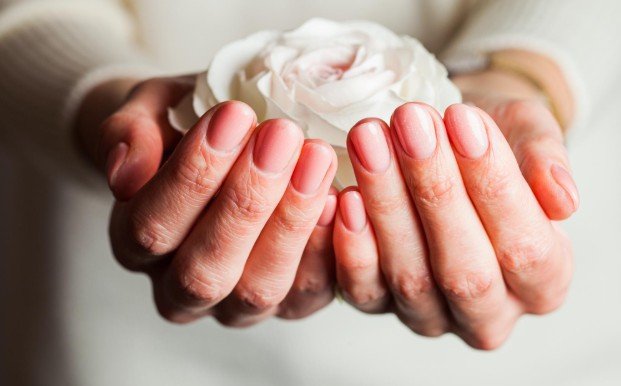
The first few days should focus on minimizing stress. Trim nails to a manageable length so that the weakened tips do not catch on clothing or other objects. A short, softly rounded shape usually provides fewer corners that can snag.
Use a fine-grit file to smooth rough edges. Avoid forceful back-and-forth filing, scraping, or heavy buffing. Buffing removes additional material from a nail plate that may already be thin.
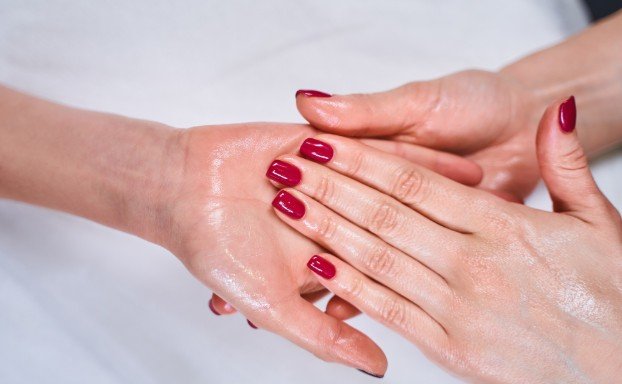
Wash away any remaining remover and apply a fragrance-free hand cream. Follow it with cuticle oil or petroleum jelly around the nail and surrounding skin. This combination supplies moisture and helps reduce its loss.
Do not immediately cover visible damage with another gel set. A temporary break allows you to monitor changes and avoid repeating the preparation and removal process before the fragile areas have grown out.
Build a Simple Daily Recovery Routine
Moisturize After Washing Your Hands
Water exposure followed by drying can contribute to brittle nails. Apply hand cream after washing and massage a small amount into the fingertips, nail plates, and cuticle area.
At night, use a thicker cream or a thin layer of petroleum jelly. Cotton gloves can help keep the product in place while you sleep, although they are optional.
Cuticle oil can improve flexibility and reduce the dry appearance of nails and surrounding skin. It does not permanently rebuild damaged nail layers, but regular use can make the exposed nail less likely to crack from dryness.
Protect Nails From Water and Chemicals
Wear household gloves while washing dishes, cleaning bathrooms, gardening, or working with strong detergents. The gloves should fit comfortably and remain dry inside.
Avoid using fingernails to peel labels, open cans, separate key rings, or scrape hardened material. Gel-coated nails may tolerate these habits temporarily, but bare, recovering nails can bend or tear much more easily.
Choose Nail Strengtheners Carefully
A clear protective coating may reduce snagging and temporarily support flexible nails. However, stronger is not always better. An extremely rigid hardener can cause a flexible nail to snap when pressure is applied.
If a product makes the nails feel excessively hard, dry, or uncomfortable, discontinue it. Look for a removable protective base coat rather than using another enhancement to conceal the problem. Follow the manufacturer’s application and removal directions instead of continuously adding new layers.
Mistakes That Can Delay Recovery
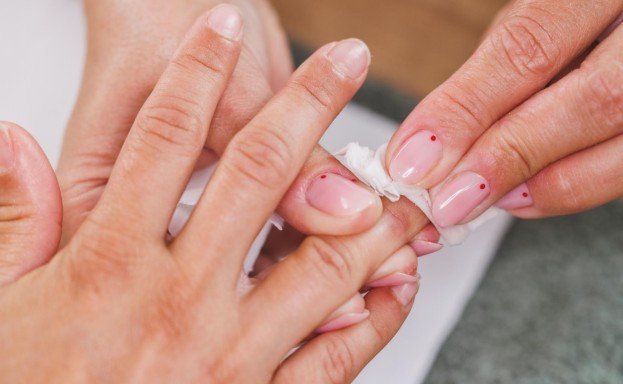
Never peel remaining gel from the nail. Even if the coating is already lifting, pulling it away may remove surface layers. Proper soak-off gel should soften with its recommended remover and release with minimal pressure. If it remains firmly attached, repeat the removal process or visit a qualified nail technician.
Do not cut or aggressively push back the cuticles. This tissue helps protect the space where the nail grows from bacteria and fungi. Damaging it can cause tenderness, inflammation, or infection.
Avoid relying on supplements as an instant solution. Nail appearance can sometimes reflect nutritional problems, but taking high-dose supplements without a confirmed need may not repair damage caused by filing or peeling. Persistent weakness affecting many nails should be discussed with a healthcare professional.
How Long Does Nail Recovery Take?
Minor dryness may begin improving after several days of regular moisturizing. Breakage can decrease within a few weeks when nails are kept short and protected.
However, damaged nail plate must grow forward before it can be trimmed away. Complete fingernail replacement often takes several months. Recovery speed can vary based on age, health, nail-growth rate, repeated trauma, and the extent of the original damage.
Photographing the nails every two weeks can make progress easier to see. Look for smoother, firmer growth emerging near the cuticle rather than expecting the damaged tips to transform.
When Can You Get Another Gel Manicure?
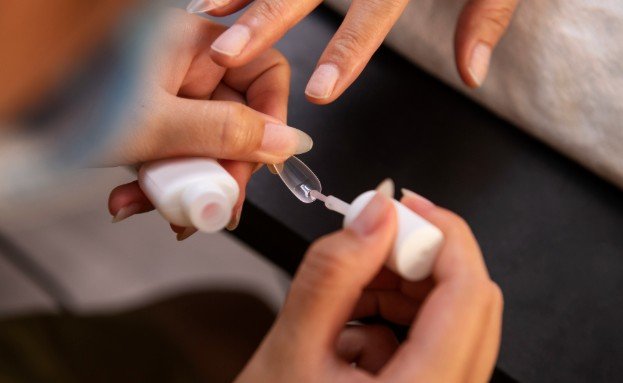
To make a manicure last longer, wait until the nails are no longer painful, excessively flexible, peeling, or breaking during ordinary activity. There is no universal waiting period, although one to two polish-free weeks may be sufficient for mild dryness. More obvious thinning may require a longer break.
For the next manicure, choose a trained technician who uses clean tools and removes gel patiently. Ask for minimal surface filing and do not allow lifted polish to be pulled away. Sunscreen on the hands or opaque, fingerless UV-protective gloves can reduce skin exposure during curing.
Warning Signs That Need Professional Attention
Contact a dermatologist or other qualified healthcare professional if you notice persistent pain, swelling, warmth, pus, bleeding, green or dark discoloration, or separation of the nail from the nail bed.
Itching, redness, blisters, or peeling skin around the fingertips may indicate contact dermatitis from ingredients used in gel products. Stop using the suspected product rather than covering the reaction with another manicure.
Frequently Asked Questions
1. What is the best nail care after gel manicures?
Keep nails short, moisturize them several times daily, apply cuticle oil, wear gloves for wet work, and avoid scraping, peeling, or aggressive buffing.
2. Should nails be left bare after removing gel?
Leaving them bare temporarily makes it easier to observe damage and prevents immediate exposure to another application and removal cycle. A gentle protective base coat may be suitable if it does not cause irritation.
3. Can cuticle oil repair damaged nails?
Cuticle oil cannot fuse removed nail layers back together. It can reduce dryness, improve flexibility, and support the surrounding skin while healthier nail grows.
4. Do nails need to breathe between manicures?
Nails do not breathe. A break is helpful because it reduces repeated filing, remover exposure, picking, and mechanical stress.
Final Thoughts
I have found that patience matters more than adding numerous treatments at once. A short shape, regular moisturization, protective gloves, and careful product use give fragile nails the best opportunity to grow without further damage. If symptoms become painful, unusual, or persistent, I would seek professional guidance instead of trying to hide them beneath another gel manicure.
Leave a Reply