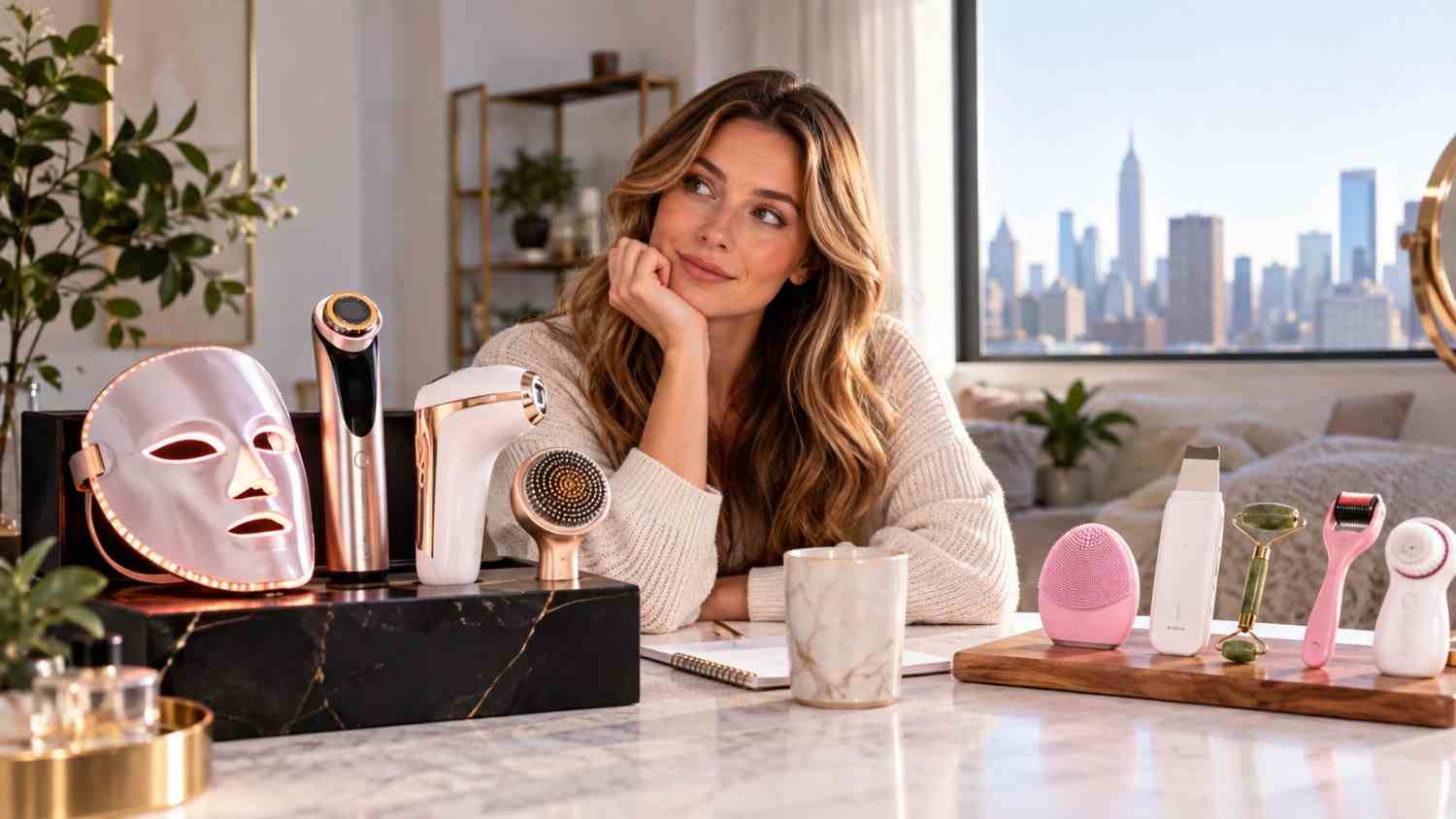
I used to assume that a higher price meant a beauty device would automatically give me better results. After comparing hair tools, skincare gadgets, and everyday beauty products, I started noticing something less obvious: expensive options often solve a different problem. Sometimes they deliver better engineering or convenience. Other times, I am paying for features I may never use.
I also found that affordable alternatives can be surprisingly capable when the basic job is simple. A cleanser does not become more effective because its bottle looks luxurious. The real question is whether a device’s advantages matter for my routine, budget, and goals.
What You Actually Pay For
Premium beauty devices usually cost more because they combine hardware, materials, engineering, and design. A high-end hair dryer may offer a stronger motor, sophisticated airflow, multiple heat settings, or sensors that regulate temperature. A skincare device may use controlled light output, electrical stimulation, or guided treatment modes.
Those features can matter. Better temperature regulation can make frequent styling easier, while a well-designed device can be quicker and more consistent. Still, premium pricing does not mean every feature improves your results.
Where Affordable Devices Can Compete
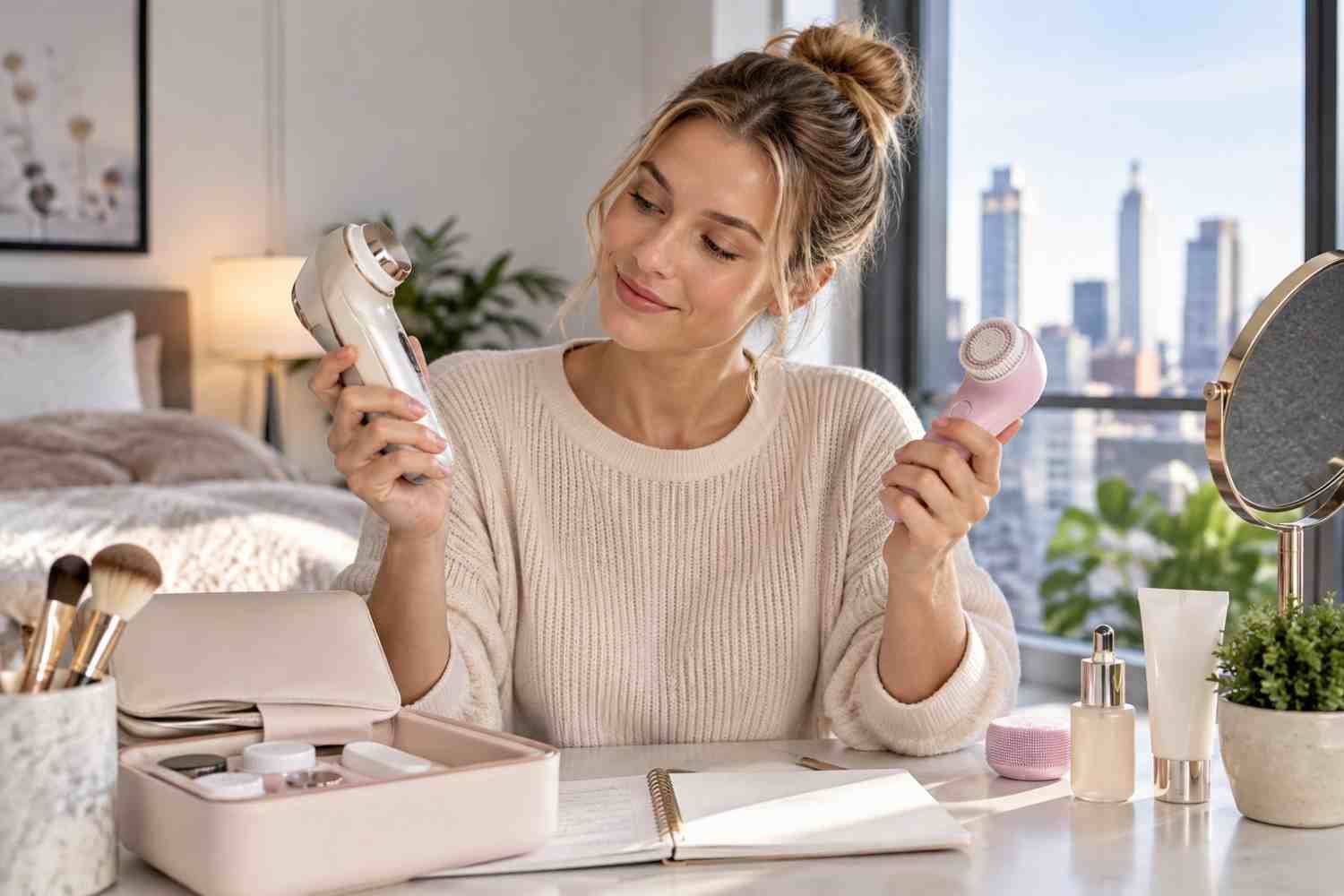
Affordable devices make sense when the core function is straightforward. If your goal is drying hair, creating waves, smoothing flyaways, or handling basic skincare, a less expensive product can often cover the fundamentals.
Basic cleansers and sunscreen can perform essential jobs without luxury packaging. Drugstore mascara and eyeliner can also deliver strong everyday results when the formula suits you.
For simple styling, automatic curling tools for effortless styling can be compared by barrel design, heat settings, ease of use, and consistency rather than price alone. A cheaper tool with useful controls may be more practical than a premium model overall.
When Premium Technology Makes a Difference
The price gap becomes easier to understand when technology changes how a device works. Temperature sensors are a good example. A styling tool that monitors heat can respond as conditions change instead of relying entirely on one preset temperature.
That does not guarantee zero damage, but controlled heat can be useful for frequent styling. Current beauty-tool testing also considers heat control and real-world performance.
Multifunction devices can also make sense when one tool replaces several separate tools you use regularly.
Skincare Devices Need More Scrutiny
Skincare gadgets deserve extra caution because technologies and claims vary. LED devices, microcurrent tools, IPL systems, and other energy-based devices are not interchangeable. They use different mechanisms and have different limitations.
A premium LED mask may offer specified wavelengths, consistent light output, and clear treatment instructions. Microcurrent devices also depend on regular use, and visible lifting effects may be temporary.
Price should come after the basics: what technology does the device use, what is it designed to do, how should it be used, and what evidence or regulatory information supports those claims?
Hair Styling Makes the Difference Clear
Hair tools provide one of the clearest examples of expensive beauty devices versus affordable alternatives. A premium dryer or styler can combine powerful airflow, temperature management, multiple attachments, ergonomic design, and faster styling. For frequent users, saving several minutes each morning can become meaningful.
For occasional users, the equation changes. A less expensive dryer with adjustable heat may handle the same routine without the premium cost. The difference may be speed or convenience.
That is why smart hair styling tools with temperature control deserve attention when comparing models. Heat management can matter more than a long feature list, particularly for people who style often.
How to Compare Before Buying

Look beyond the price. Check the technology, settings, warranty, replacement parts, return policy, and frequency of use.
- Compare the features you need, not every advertised feature.
- Consider cost per use if you expect frequent use.
- Check safety instructions and whether the technology suits your intended use.
This matters even more with devices using light, electrical current, heat, or other energy. The FDA notes that aesthetic devices can involve risks and that results may be temporary. Some technologies also have specific restrictions, so a cheap device is not a bargain if it is unsuitable for you.
When an Affordable Alternative Is Enough
An affordable device is often sensible when you have simple needs, style occasionally, or are trying a technology for the first time. There is little reason to pay for controls you will never use.
Manual tools can also be underrated. An ice roller or basic gua sha tool can provide a soothing massage without batteries, charging, or electronic components.
The same logic applies to everyday makeup and skincare staples. If an inexpensive product performs well, spending more does not automatically improve the result.
The Value Comes Down to Your Routine
Choosing between expensive beauty devices versus affordable alternatives becomes easier when you compare actual use. A premium device can be worthwhile when its technology solves a regular problem. An affordable alternative can work when the basic function is enough.
The smartest purchase is rarely the one with the highest price or longest feature list. It is the one you will use consistently, safely, and often enough to make its cost feel justified.
FAQs: Expensive Beauty Devices Versus Affordable Alternatives: Which Should You Buy?
1. Are expensive beauty devices always better?
No. Higher prices can reflect better engineering, materials, controls, or convenience, but those improvements may not matter for every routine.
2. Are affordable beauty devices effective?
Many can be. Simple hair styling and beauty tasks often depend more on suitable settings, technique, and consistency than premium branding.
3. Is premium hair technology worth paying for?
It can be if you style frequently and value faster drying, temperature management, attachments, or easier handling. Occasional users may need less.
4. Should I prioritize price when buying a skincare device?
No. Consider the technology, intended use, safety information, evidence, instructions, warranty, and your specific goal before comparing prices.
What Makes a Beauty Device Worth Keeping
The best beauty purchase fits into real life instead of sitting unused in a drawer. A premium device can earn its place through better control, speed, durability, or versatility, while an affordable option can win you over by doing one job reliably.
Price is only the starting point. Your routine, expectations, and willingness to use the device consistently determine whether the investment becomes valuable.
Leave a Reply