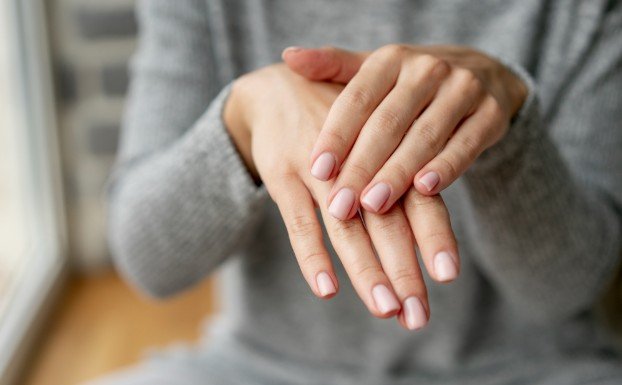
I used to think that weak nails needed stronger polish or an expensive salon treatment. However, I eventually learned that brittle, peeling nails often improve when I reduce daily damage and follow a consistent care routine. Understanding how to strengthen weak nails naturally begins with protecting the existing nail plate while supporting healthier new growth through gentle care, moisture, and balanced nutrition.
Natural nail improvement is rarely instant. Fingernails grow slowly, so damaged sections must gradually grow out before the entire nail looks healthier. The most effective approach is not a single homemade remedy but a combination of small habits practiced consistently.
Understand Why Your Nails Feel Weak
Weak nails may bend, peel in layers, split at the tips, or break before gaining length. Repeated exposure to water is one of the most common causes. Nails absorb water and expand, then contract as they dry. When this cycle occurs frequently, the layers of the nail plate can begin separating.
Household detergents, cleaning sprays, hand sanitizer, acetone, and aggressive manicure removal can increase dryness. Gel, dip, and acrylic manicures may also leave nails thin when products are peeled or filed away forcefully.
Nail biting, picking at polish, opening containers with fingernails, and cutting the cuticles can create additional trauma. Age, dry weather, indoor heating, and certain health conditions may also affect nail texture. Identifying the likely cause makes it easier to choose an effective routine.
Moisturize Your Nails After Washing
Handwashing is essential, but frequent washing can remove natural oils from the nails and surrounding skin. I recommend applying a fragrance-free hand cream whenever the hands feel dry, especially after washing.
Instead of stopping at the knuckles, massage the cream into each nail and cuticle. Ingredients such as glycerin, petrolatum, ceramides, urea, and hyaluronic acid help attract or retain moisture. A small amount of jojoba, coconut, sweet almond, or olive oil can then be applied over the moisturizer to reduce moisture loss.
Oils can improve flexibility and help prevent dry nails from cracking, but they do not permanently change the internal structure of a nail. Their main value is conditioning and protection.
Protect Your Hands From Water and Chemicals
Wearing gloves is one of the simplest ways to reduce nail damage. Use cotton-lined household gloves when washing dishes, cleaning bathrooms, gardening, or handling detergents. Gloves limit repeated soaking and reduce direct contact with irritating chemicals.
Hands should not remain trapped inside sweaty gloves for long periods because excess moisture may irritate the skin. If the gloves become damp inside, remove them, dry the hands, and allow the gloves to dry before using them again.
Use lukewarm rather than very hot water whenever possible. After washing, pat the hands dry instead of rubbing them aggressively, and follow with moisturizer.
Keep Weak Nails Short and Smooth
Long nails create more leverage when they catch on clothing, furniture, or other objects. Keeping fragile nails relatively short reduces bending and makes splitting less likely.
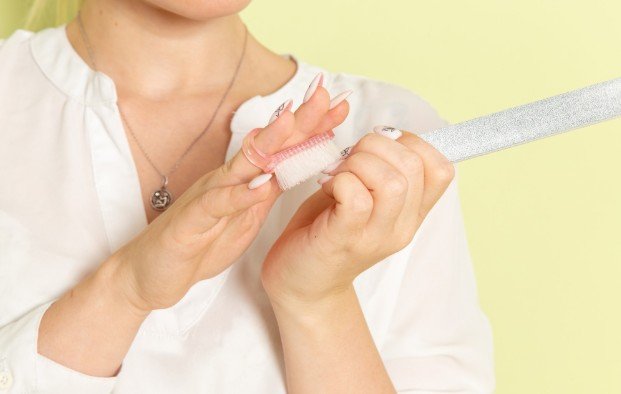
Trim nails with clean, sharp clippers. Leave a small free edge rather than cutting into the sensitive skin. Smooth rough corners with a fine-grit glass or cushioned file. Gentle pressure matters more than filing quickly. Avoid digging deeply into the sides, where excessive filing can weaken the nail and irritate nearby skin.
Never tear off a hangnail. Clip it carefully with clean nippers without cutting living skin. Pulling it can create an open wound and increase the chance of infection.
Change Habits That Create Nail Damage
Fingernails should not be used to open cans, scrape labels, loosen key rings, or pry apart objects. Use the pads of the fingers or an appropriate tool instead.
Avoid biting the nails and picking the cuticles. Cuticles form a protective seal between the nail and surrounding skin. Cutting or pushing them aggressively can damage that barrier and allow bacteria or fungi to enter.
If biting is difficult to stop, keep the nails short, identify situations that trigger the habit, and occupy the hands with another object. Bitter-tasting nail coatings may help some people, but behavior-based strategies are often more useful over time.
Take a Smarter Break From Manicures
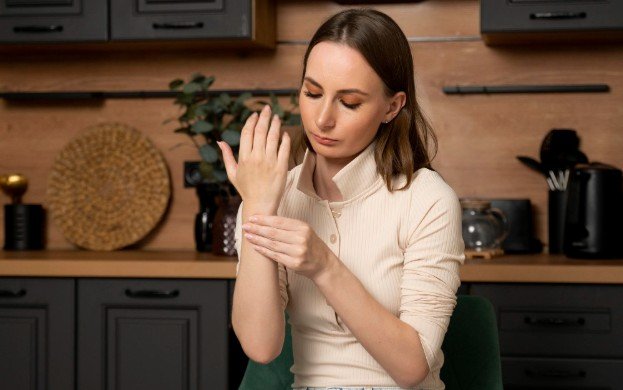
Nails do not need to “breathe,” because the visible nail plate consists of dead keratin cells. However, a break from gel, dip, acrylic, or frequent polish removal can still be beneficial. It reduces chemical exposure and gives damaged sections time to grow out without additional filing, soaking, or peeling.
Never peel off gel or dip products. Peeling can remove surface layers of the natural nail. Have the coating removed correctly or follow the manufacturer’s removal instructions.
When using conventional polish, apply a base coat and remove it gently. Acetone works quickly but may be drying, especially with frequent use. A gentler remover can be appropriate for ordinary polish, although prolonged scrubbing should also be avoided.
Support Nail Growth Through Food
Nails are largely composed of keratin, a protein, so adequate dietary protein supports normal growth. Eggs, poultry, fish, dairy products, beans, lentils, tofu, nuts, and seeds can contribute protein as part of a varied diet.
Iron, zinc, vitamin B12, and other nutrients also play roles in normal tissue growth. Deficiencies may contribute to nail changes, but taking large supplement doses without knowing whether a deficiency exists is not advisable.
Biotin is often promoted as a nail-strengthening supplement. Limited studies suggest that it may help some people with brittle nails, but the evidence is not strong enough to treat it as a universal solution. High-dose biotin can interfere with certain laboratory tests, including some tests related to thyroid function and heart health. Consult a healthcare professional before using it.
Be Careful With Popular Home Remedies
Natural does not automatically mean effective or irritation-free. Lemon juice and apple cider vinegar are acidic and may sting cracked skin or worsen dryness. Baking soda can be abrasive, while raw garlic and essential oils can trigger irritation or allergic reactions.
Rice water, gelatin soaks, and tea baths are popular online, but convincing evidence that they substantially strengthen the nail plate is lacking. Soaking weak nails may even increase water exposure.
A simple moisturizer followed by a light oil is generally more practical than repeated acidic or abrasive treatments. Test any new topical ingredient on a small area first and stop using it if redness, itching, swelling, or burning develops.
How Long Does Natural Nail Repair Take?
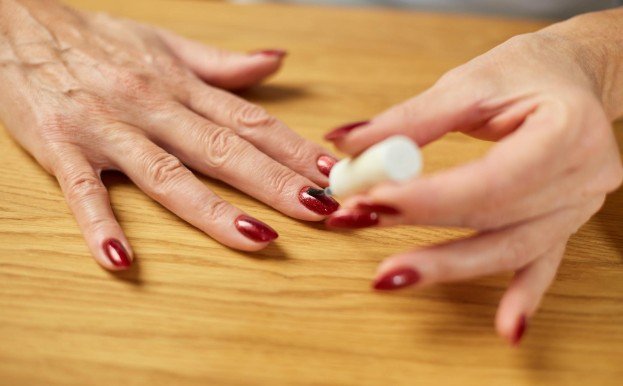
A moisturizer may make nails feel more flexible within days, but lasting improvement requires patience. Fingernails generally need several months to grow from the base to the tip. A damaged area cannot truly heal like living skin; it must grow forward and be trimmed away.
Take a photograph every four weeks under similar lighting. Comparing monthly images is more reliable than checking the nails every day.
When to Consult a Healthcare Professional
Seek professional advice when nail weakness appears suddenly, affects several nails, or continues despite careful home treatment. Pain, swelling, dark streaks, yellowing, lifting, deep grooves, unusual thickening, bleeding, or changes in the surrounding skin also deserve evaluation.
Persistent nail changes can sometimes be associated with fungal infections, eczema, psoriasis, iron-deficiency anemia, or thyroid disorders. A clinician can identify the cause instead of relying on appearance alone.
Frequently Asked Questions
1. What is the best way to learn how to strengthen weak nails naturally?
Begin by moisturizing after washing, wearing gloves during wet work, keeping the nails short, avoiding picking, and eating a balanced diet. Consistency is more important than trying numerous home remedies.
2. Does coconut oil make nails stronger?
Coconut oil can condition dry nails and cuticles, making them less likely to crack from dryness. It cannot repair an already split nail or correct an underlying nutritional or medical problem.
3. Should I stop wearing nail polish completely?
Not necessarily. Ordinary polish can be used carefully, but damaged nails may benefit from fewer manicures and gentler removal. Avoid peeling off polish, gel, dip, or acrylic products.
4. Can weak nails become healthy again?
Yes, when weakness is caused by dryness, repeated trauma, or damaging nail-care habits. Improvement occurs as healthier nail grows from the base and the damaged portion is gradually trimmed away.
A Healthier Path Forward
I have found that nail strength improves most when care becomes simple and repeatable. Moisturizing, protecting my hands, filing gently, and avoiding unnecessary trauma accomplish more than harsh hardeners or complicated kitchen remedies. With realistic expectations and steady care, I can protect the nail that is already visible while giving healthier growth the best possible start.
Leave a Reply