
I know how frustrating it feels to grow my nails for weeks only to have one split while opening a container or reaching into a bag. Frequent breakage is not always caused by naturally weak nails. Repeated water exposure, dry skin, improper filing, harsh manicure removal, and everyday pressure can gradually weaken the nail plate.
Learning how to prevent nails from breaking begins with identifying the type of damage and replacing harmful habits with a consistent care routine. Healthy nails need protection and moisture as well as strength. Nails that become excessively hard and inflexible may still snap under pressure.
Understand Why Your Nails Keep Breaking
Fingernails are formed from layers of keratin. When those layers lose moisture or become damaged, the free edge may peel, split, or snap. Nails that separate into thin layers are often affected by repeated wetting and drying. A nail that breaks cleanly across the tip may be too long, inflexible, or exposed to frequent physical pressure.
Common triggers include washing dishes without gloves, using strong cleaning products, biting the nails, pulling hangnails, and using fingernails to open packages. Aggressive buffing can thin the nail plate, while peeling off gel polish can remove its upper layers.
Cold weather, dry indoor air, frequent handwashing, swimming, and prolonged contact with water can make the problem worse. Persistent changes may sometimes be associated with a skin condition, infection, medication, or nutritional deficiency.
Keep Your Nails at a Manageable Length
Long nails experience greater leverage when they strike a hard surface. If my nails begin peeling or breaking repeatedly, I shorten them until the damaged portion grows out. This does not treat the underlying cause, but it reduces snagging and prevents small cracks from traveling farther down the nail.
A short, softly rounded or squoval shape is generally practical. Sharp corners on square nails can catch on clothing, hair, and bags. I remove rough edges promptly instead of waiting for them to become larger splits.
File the Edges Gently

A coarse or damaged file can leave tiny irregularities along the free edge. I use a fine-grit or glass file and work gently from the outer edge toward the center. Excessive pressure and aggressive sawing can bend or fray delicate nails.
Filing should refine the shape rather than remove large amounts of length. Nail clippers or sharp manicure scissors are more suitable for significant trimming. Filing nails while they are completely soaked and soft can also cause bending, so I allow them to dry first.
Moisturize After Washing Your Hands
Frequent handwashing removes oils from the nails and surrounding skin. Applying hand cream after washing helps replace moisture and keeps the nail plate more flexible. I work the product over my nails and around the cuticles rather than applying it only to my palms.
At night, a thicker cream, ointment, or small amount of petroleum jelly can provide longer-lasting protection. Cuticle oil may also improve flexibility and reduce dryness, although it cannot permanently repair nail layers that have already separated.
Limit Repeated Water Exposure
I wear lined rubber or nitrile gloves when washing dishes, cleaning bathrooms, or handling household chemicals. Gloves should not remain wet inside because trapped moisture can create another problem. After bathing or swimming, I dry my hands thoroughly and apply moisturizer.
Stop Using Fingernails as Tools
Opening cans, scraping labels, pressing stiff buttons, and separating key rings place concentrated pressure on the nail tip. These small actions can bend the free edge and create a crack that becomes visible later.
I use a proper tool, the side of my finger, or my knuckle whenever possible. This single behavioral change can make a noticeable difference, especially when nails repeatedly break in the same place.
Protect Your Cuticles and Hangnails
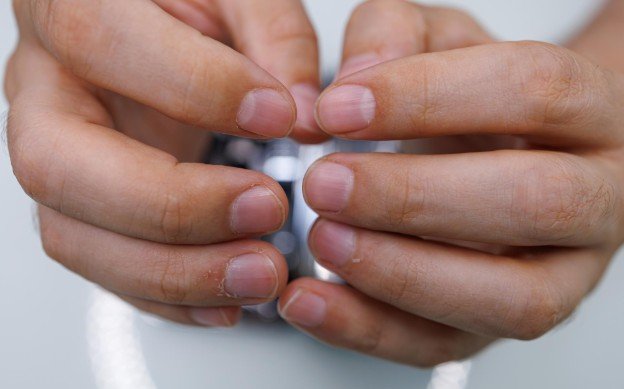
The cuticle helps seal the space between the skin and nail plate. Cutting it aggressively, pushing it forcefully, or biting the surrounding skin may cause inflammation and increase the risk of infection.
I never pull a hangnail because that can tear healthy skin. Instead, I wash my hands and trim the loose skin carefully with clean, sharp clippers. Moisturizing the surrounding skin regularly can reduce future cracking.
Remove Nail Products Safely
Regular polish, gel, acrylics, dip powder, and press-ons can cause damage when they are applied or removed incorrectly. Picking or peeling off a manicure can strip away superficial nail layers, leaving the surface thin and rough.
I follow the correct removal method for the product and avoid scraping softened material forcefully. When my nails feel tender, thin, or visibly damaged, I keep them short and allow the affected area to grow out before applying another enhancement.
Use Protective Coatings Carefully
A base coat or suitable nail-strengthening product can reduce surface wear and provide temporary support. However, more hardness is not always better. Some hardeners may make already rigid nails less flexible and more likely to snap.
I follow the label directions and stop using any product that causes irritation, extreme stiffness, or increased peeling. A coating should support the nail while good care habits address the source of the damage.
Support Growth With Balanced Nutrition
Nails require protein and micronutrients to grow normally. A balanced diet containing protein-rich foods, vegetables, whole grains, nuts, seeds, and other varied foods generally provides broader support than relying on a single “nail vitamin.”
Biotin supplements are commonly marketed for brittle nails, but they are not a guaranteed solution for everyone. High doses can interfere with certain laboratory tests. Anyone considering biotin or another supplement should speak with a healthcare professional, particularly before blood testing.
Frequently Asked Questions
1. How to prevent nails from breaking when they are already short?
Reduce water and chemical exposure, moisturize after washing, smooth every snag, and stop using the nail tips as tools. Short nails can still break when they are dry, peeling, or repeatedly bent.
2. Does cuticle oil make nails stronger?
Cuticle oil can improve moisture and flexibility around the nail, which may reduce dryness-related splitting. It cannot rebuild damaged nail tissue, so consistent protection is still necessary.
3. How long does it take weak nails to improve?
Improvement appears gradually as new nail grows from the base. Fingernails often require several months to grow from the cuticle to the tip, so damaged areas must grow out rather than heal instantly.
4. Can gel manicures weaken natural nails?
Gel itself is not the only concern. Rough preparation, over-filing, prolonged soaking, and peeling the product off can thin or damage the nail plate. Careful application and removal are essential.
Final Thoughts
I get better results when I treat nail care as a daily routine instead of searching for a one-time repair. Keeping my nails manageable, moisturizing consistently, wearing gloves, filing gently, and avoiding unnecessary pressure protects the new nail as it grows.
Patience matters because existing splits cannot disappear overnight. By reducing repeated damage and watching for unusual changes, I can give my nails the best opportunity to grow smoother, more flexible, and less likely to break.
Leave a Reply