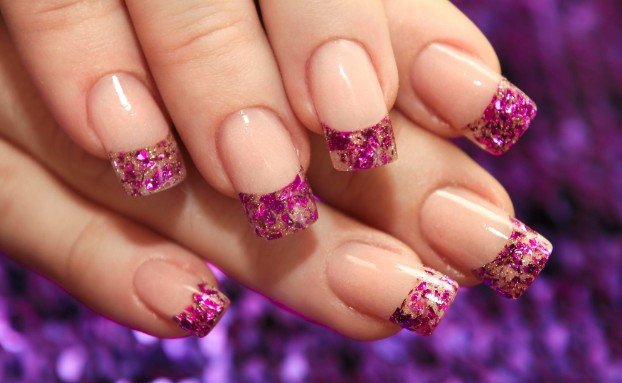
I used to assume that slow nail growth was the reason my nails never became noticeably long. In reality, they were growing, but peeling edges, small cracks, and everyday damage kept removing the new length. Once I focused on protecting the nail plate rather than searching for overnight growth tricks, maintaining longer nails became much easier.
Fingernails normally grow about 3 to 3.5 millimeters per month. Genetics, age, health, nutrition, hormones, and daily habits can influence that rate. No oil, polish, or home remedy can instantly change the biological process occurring inside the nail matrix. However, the right routine can reduce breakage and help more of that natural growth remain intact.
Understand Why Nails Break Before They Grow Long
The visible nail plate consists primarily of hardened keratin cells. Although it feels solid, it can absorb water. Repeated cycles of soaking and drying cause the layers to expand and contract, eventually encouraging peeling and splitting.
Frequent handwashing, household cleaners, dry weather, nail biting, aggressive filing, and improper removal of gel or acrylic products can weaken nails further. Some people also naturally produce thinner or less durable nails.
The practical goal is therefore not simply to stimulate growth. It is to keep each nail flexible, hydrated, and protected long enough for new length to become visible.
1. Moisturize Nails and Cuticles Every Day
Apply hand cream after washing your hands and massage it over the nails and surrounding skin. At night, use a richer cream, ointment, or cuticle oil to seal in moisture.
Cuticle oils containing jojoba, sunflower, almond, or similar conditioning oils may improve flexibility and reduce brittle edges. They do not feed the dead nail plate or activate faster growth, but they can help prevent the splitting that makes nails appear to stop growing.
2. Protect Your Hands From Water
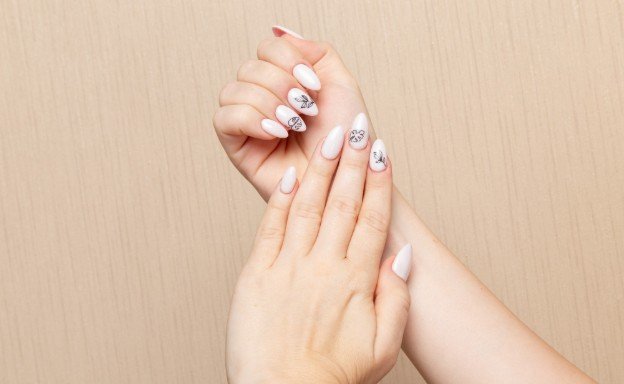
Brief handwashing is not the main problem. Long or repeated exposure to water is more likely to weaken nails. Wear cotton-lined rubber gloves when washing dishes, cleaning bathrooms, gardening, or handling detergents.
After washing, dry your hands carefully, including the skin around the nails. Follow with moisturizer while the skin is still slightly damp.
3. Stop Cutting or Picking at Cuticles
The cuticle forms a protective seal between the nail plate and surrounding skin. Cutting it too deeply or repeatedly pushing it back can cause inflammation and create an opening through which microorganisms may enter.
Avoid biting hangnails or pulling loose skin. Trim a hangnail carefully with clean clippers and apply moisturizer. If biting or picking is habitual, bitter-tasting polish, small bandages, or identifying emotional triggers may help interrupt the behavior.
4. File Nails Before Small Snags Become Breaks
A tiny rough edge can catch on clothing and develop into a deeper split. Use a fine-grit or glass file to smooth snags as soon as they appear. File gently and avoid sawing aggressively across thin nails.
A rounded or squoval shape is often easier to maintain because it has fewer sharp corners. Keeping nails moderately short while damaged sections grow out also reduces leverage and accidental bending.
5. Eat a Balanced, Protein-Rich Diet
Nails are made mainly from keratin, a structural protein. Include appropriate amounts of eggs, fish, poultry, dairy products, beans, lentils, nuts, seeds, or other protein sources in regular meals.
Iron, zinc, folate, vitamin B12, vitamin C, and vitamin D also support normal body functions related to healthy tissue. More of a nutrient is not automatically better, however. Supplements are most useful when they correct an actual deficiency rather than compensate for an inconsistent diet.
6. Be Careful With Biotin Supplements

Biotin is heavily promoted for hair and nails, but evidence supporting faster growth in people without a deficiency remains limited. Small studies suggest that it may improve thickness or firmness in some people with brittle nails, but that is different from accelerating normal growth.
High-dose biotin can interfere with laboratory tests, including certain thyroid, hormone, and cardiac tests. Speak with a healthcare professional before taking it, and tell medical staff about every supplement you use when undergoing blood tests.
7. Use Nail Strengtheners Selectively
A nail strengthener or protective base coat may temporarily reinforce soft, flexible nails and reduce surface wear. Nevertheless, excessive use of very hard formulas can sometimes leave nails rigid and more likely to snap.
Follow the product directions and observe how your nails respond. If they become unusually dry, stiff, discolored, or irritated, discontinue the treatment. Nail strengtheners protect existing material; they do not permanently transform how the nail is produced.
8. Reduce Damage From Polish, Gel, and Acrylics
Ordinary polish is not automatically harmful, but frequent removal may dry the nail plate. Limit unnecessary remover contact and moisturize afterward. Acetone works quickly but may be particularly drying for already brittle nails.
Never peel gel polish or acrylic material from the nail. Peeling can remove superficial nail layers and leave a thin, rough surface. Have enhancements removed correctly or follow the manufacturer’s complete removal process. Giving visibly damaged nails time to grow out can prevent repeated trauma.
9. Never Use Fingernails as Tools
Opening cans, scraping labels, loosening knots, and pressing stiff buttons place concentrated force on the free edge. Using an actual tool instead is one of the best ways to treat brittle nails because it prevents unnecessary bending, splitting, and breakage.
This small behavioral change can prevent sudden breaks below the desired length. It is particularly useful for people whose nails tend to bend at the sides or split where the nail extends beyond the fingertip.
10. Follow a Consistent Routine
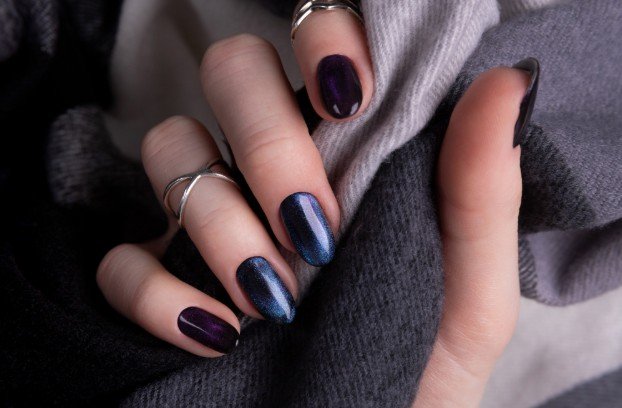
Apply moisturizer after handwashing, use cuticle oil before bed, and wear gloves for wet household work. Check the edges every few days and gently file any rough areas. Consistency matters more than purchasing a large collection of treatments.
Visible improvement requires patience. It can take several months to replace an entire fingernail, so damage near the base will not disappear after a few applications of oil.
Common Nail-Growth Myths
Garlic, lemon juice, toothpaste, and similar home remedies are frequently promoted as growth treatments, but convincing evidence is lacking. Acidic ingredients may also irritate surrounding skin.
Nails do not need to breathe because the visible plate consists of dead keratin cells. Taking breaks from enhancements can still be helpful—not to provide air, but to reduce repeated removal damage and make changes easier to monitor.
When to Consult a Healthcare Professional
Seek professional advice if nail changes appear suddenly, affect several nails, or occur with pain, swelling, bleeding, separation, thickening, or persistent discoloration. Deep horizontal grooves may follow illness or significant physical stress. Brittle nails can occasionally be associated with iron deficiency, thyroid problems, skin conditions, or infection.
Avoid diagnosing a deficiency from nail appearance alone. A clinician can examine the nails, review other symptoms, and decide whether testing is appropriate.
Frequently Asked Questions
1. How can I learn how to grow nails faster and stronger naturally?
Support normal growth with balanced nutrition, then protect the length through daily moisturizing, careful filing, gloves during wet work, and reduced picking or biting. These habits are more realistic than expecting a home remedy to change the natural growth rate dramatically.
2. Does cuticle oil make nails grow faster?
Cuticle oil does not directly stimulate the nail matrix. It hydrates the nail plate and surrounding skin, which may reduce peeling, cracking, and breakage.
3. How long does it take damaged nails to recover?
Minor dryness may improve within weeks, but damaged nail material must grow outward. Replacing an entire fingernail commonly takes approximately four to six months.
4. Should I stop getting gel manicures?
Not everyone must stop completely. Gentle application, correct removal, appropriate spacing between services, and attention to irritation or thinning can reduce damage. Never peel gel polish off.
Final Thoughts
I have found that nail growth becomes less frustrating when I measure progress by reduced peeling and fewer broken edges rather than expecting rapid changes. My most dependable routine is simple: moisturize consistently, protect my hands from prolonged water exposure, file snags early, eat balanced meals, and avoid unnecessary trauma.
Learning how to grow nails faster and stronger ultimately means working with the natural growth cycle. When I protect the length I already produce and remain patient while damaged areas grow out, healthier-looking nails become a realistic result rather than an overnight promise.
Leave a Reply