
I find brittle nails especially frustrating because they can split just when they begin to look longer and healthier. They may peel into thin layers, crack along the edges, or snap during simple daily activities.
Although nail weakness sometimes points to an underlying health concern, everyday exposure to water, cleaning products, manicures, and dry air is often responsible. The best ways to treat brittle nails focus on restoring flexibility, preventing further damage, and protecting healthier growth from the base of the nail.
Why Do Nails Become Brittle?
Fingernails are made from compact layers of keratin. A healthy nail plate is firm but still flexible enough to tolerate ordinary pressure. When its layers become dry, thin, or poorly connected, the nail is more likely to peel, crack, or split.
Repeated wetting and drying is a major trigger. Nails absorb water and expand when wet, then contract as they dry. Frequent handwashing, swimming, dishwashing, and cleaning can repeat this cycle many times each day. Over time, the bonds between the keratin layers may weaken.
Dry weather, indoor heating, harsh soap, hand sanitizer, acetone remover, gel polish, and acrylic extensions can add further stress. Biting the nails, picking at polish, tearing hangnails, or using nails as tools also causes small injuries that eventually become visible cracks.
Age can contribute because nails may grow more slowly and become drier over time. In some cases, persistent brittleness may be associated with iron deficiency, thyroid disease, psoriasis, eczema, fungal infection, or certain medications. Appearance alone cannot confirm the cause, so supplements should not replace a proper assessment.
Best Ways to Treat Brittle Nails at Home
Moisturize the Nails Regularly
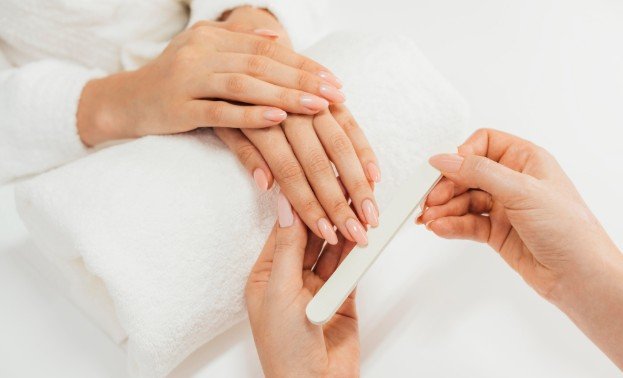
Moisturizing is one of the simplest ways to improve nail flexibility. Apply a thick, fragrance-free cream after washing the hands and massage it into the nail plate, cuticles, and surrounding skin. Ingredients such as glycerin, petrolatum, lanolin, hyaluronic acid, or urea can attract water or help reduce moisture loss.
A richer ointment can be applied before bed. Cotton gloves may help prevent it from rubbing off during sleep. Consistency matters more than applying a large amount occasionally. Moisturizing after every wash is particularly helpful for people whose hands are frequently exposed to water.
Wear Gloves During Wet Work
Protective gloves reduce direct contact with water, detergent, soil, and cleaning chemicals. Cotton-lined rubber or nitrile gloves are useful for washing dishes and household cleaning. Gardening gloves help prevent both chemical exposure and physical damage.
Gloves should be dry inside before use. Wearing damp gloves for an extended period keeps the nails wet and may irritate the surrounding skin. Anyone who sweats heavily inside protective gloves can wear thin cotton liners and replace them when damp.
Keep Weak Nails Short
Short nails have less leverage, making them less likely to bend or catch on clothing. Trim damaged nails carefully and use a fine file to smooth rough edges before they develop into deeper splits.
File gently rather than aggressively sawing back and forth. Never pull off a peeling layer, because the tear can extend into healthy nail material. A split that reaches the sensitive attached portion of the nail may become painful and vulnerable to infection.
Limit Damaging Manicures
Gel polish, acrylic extensions, strong adhesives, repeated buffing, and frequent polish removal can gradually thin the natural nail. Peeling off gel or acrylic material is especially damaging because layers of the nail plate may be removed with it.
Allowing time between intensive manicures gives the damaged area an opportunity to grow out. Choose gentle removal methods and avoid prolonged exposure to acetone whenever possible. Traditional polish can still be used, but removing and reapplying it too frequently may worsen dryness.
Cuticles should not be cut deeply. They form a protective seal that helps keep irritants and microorganisms away from the nail matrix. Gently pushing them back after bathing is safer than aggressive clipping and can help prevent nails from breaking by avoiding unnecessary trauma around the nail base.
Use Nail Hardeners Cautiously
A clear protective coating can reduce snagging and provide temporary support. However, excessive hardness is not the same as healthy strength. A nail that becomes too rigid may snap rather than bend under pressure.
If a hardener causes burning, redness, peeling skin, or worsening brittleness, discontinue it. Nail products should support protective care rather than replace moisturizing and exposure control.
Can Diet Improve Brittle Nails?
Nail growth depends on adequate nutrition, including protein, iron, zinc, and other vitamins and minerals. A varied diet containing protein-rich foods, vegetables, fruit, whole grains, nuts, seeds, and healthy fats generally provides better support than relying on a single “nail-strengthening” food.
Biotin is frequently marketed for brittle nails, but evidence supporting routine supplementation remains limited. High-dose biotin can also interfere with certain laboratory tests, including tests related to thyroid function and heart health. It is sensible to discuss biotin with a healthcare professional and disclose its use before having blood tests.
Iron supplements should only be taken when a deficiency has been identified. Unnecessary supplementation can cause side effects and will not repair nail damage caused by chemicals, trauma, or repeated water exposure.
How Long Does It Take Brittle Nails to Recover?
A damaged nail plate cannot be permanently repaired because it consists of nonliving keratin. Creams, oils, and coatings can improve flexibility or provide protection, but visible damage must gradually grow out.
Fingernails commonly need several months to grow from the base to the tip. Improvement should therefore be measured over months rather than days. Taking a photograph every four weeks can make gradual changes easier to recognize.
When Should Brittle Nails Be Checked?
Seek professional advice if nail changes appear suddenly, affect several nails, or continue despite consistent protection and moisturizing. Evaluation is also appropriate when brittleness occurs with fatigue, hair loss, skin changes, unexplained weight changes, or other physical symptoms.
Pain, swelling, pus, thickening, severe discoloration, bleeding, or separation from the nail bed requires attention. A new dark streak should also be evaluated instead of being treated as ordinary damage. A healthcare professional may examine the nails, test for infection, review medications, or recommend blood tests.
Frequently Asked Questions
1. What are the best ways to treat brittle nails?
The best ways to treat brittle nails include moisturizing after washing, wearing gloves during wet work, keeping nails short, filing rough edges carefully, and taking breaks from damaging manicures. Persistent changes may require professional evaluation.
2. Does petroleum jelly help brittle nails?
Petroleum jelly reduces moisture loss and can improve flexibility when applied to the nail plate and cuticles. It cannot permanently join an existing split, but regular use may help protect new growth from dryness.
3. Should brittle nails be buffed?
Heavy buffing can thin an already weak nail plate. If smoothing is necessary, use a fine buffer lightly and infrequently. Filing a rough edge is usually safer than buffing the entire nail surface.
4. Does drinking more water strengthen nails?
Adequate hydration supports general health, but simply drinking more water may not correct brittle nails. External factors such as repeated handwashing, harsh chemicals, nail treatments, and loss of natural oils often matter more.
A Healthier Path Forward
I have learned that improving brittle nails requires patience rather than one instant remedy. I would focus on daily moisturizing, protection from wet work, gentle grooming, and fewer damaging manicures while healthier nail grow.
If the problem continued or appeared alongside unusual symptoms, I would arrange a professional assessment instead of guessing about deficiencies. Consistent protection gives new nails the strongest opportunity to grow with greater flexibility and fewer splits.
Leave a Reply