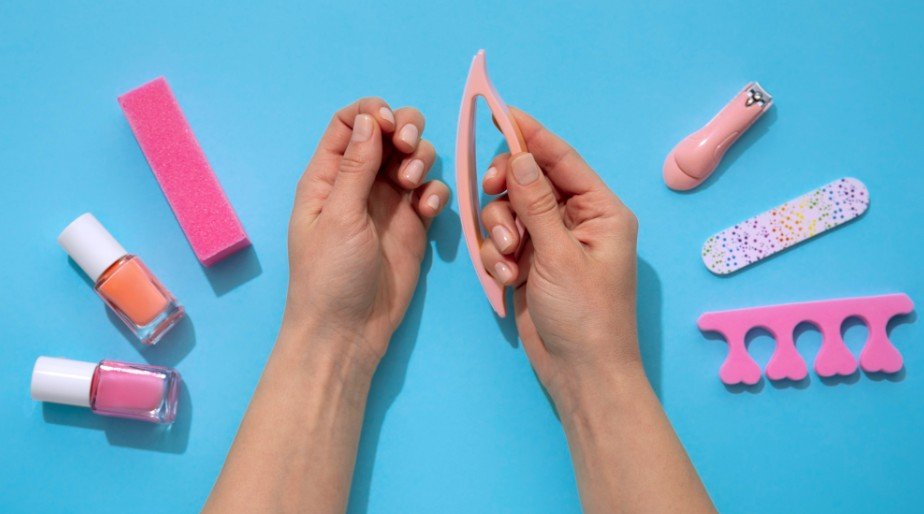
I know how frustrating it can feel to look down and see short, uneven nails surrounded by sore or damaged skin. Nail biting often happens automatically while I am concentrating, bored, anxious, or stressed, so simply deciding to stop may not solve the problem. I need to care for the existing damage while also addressing what makes me bite.
These nail care tips for nail biters focus on gentle grooming, daily protection, trigger management, and realistic recovery. Nails do not transform overnight, but a consistent routine can reduce rough edges, protect new growth, and make biting less tempting.
What Nail Biting Does to the Nails
Occasional biting may leave an uneven edge, but repeated biting can affect much more than appearance. It can damage the nail plate, irritate the surrounding skin, create painful hangnails, and expose small wounds to bacteria or fungi.
Chronic biting may also injure the nail bed or the nail matrix, where new nail cells develop. Damage in these areas can cause ridges, discoloration, distorted growth, or changes in nail shape. Biting can also place repeated pressure on the teeth and jaw.
Recovery depends on the severity and duration of the damage. New fingernail growth gradually replaces the injured portion, but a full nail generally takes several months to grow from the base to the tip. Severe matrix damage may take longer to improve and may not always be completely reversible.
Begin With Gentle Cleaning and First Aid
If I have just bitten a nail or torn the surrounding skin, I wash my hands gently with soap and running water. I avoid scrubbing the wound, digging underneath the nail, or applying irritating household remedies.
Minor bleeding can usually be managed by applying gentle pressure with clean gauze. Once the area is clean and dry, I can protect an exposed fingertip with a clean bandage. Covering it also creates a physical barrier against another unconscious biting episode.
I do not apply cosmetic glue, gel, acrylic, or a press-on nail over broken or inflamed skin. Sealing damaged tissue beneath an enhancement can conceal worsening irritation and make the area more difficult to monitor.
Keep Bitten Nails Short and Smooth
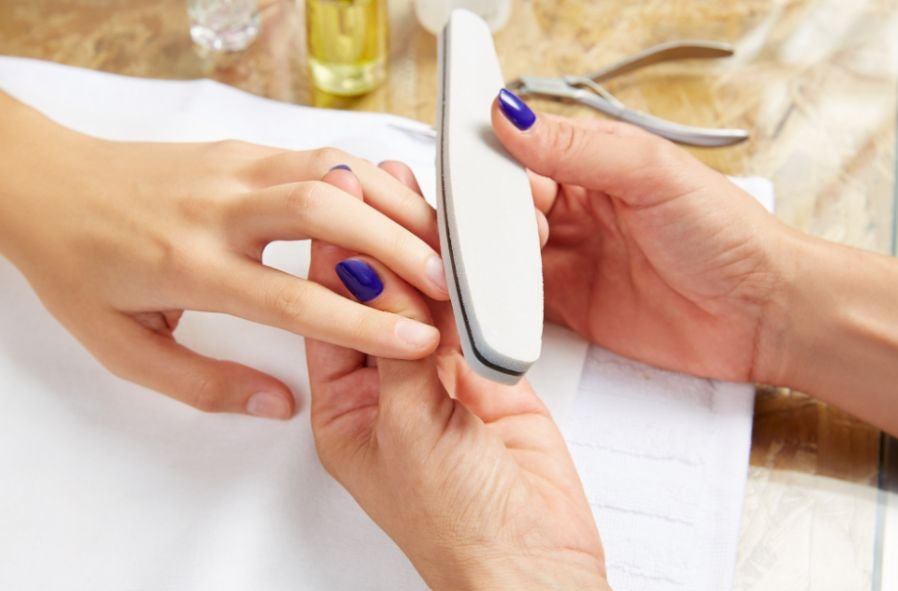
Very short nails do not necessarily need aggressive trimming. If little free edge remains, I let the nail grow instead of trying to cut it closer. I use a fine nail file to smooth sharp corners and ragged sections that could catch on clothing or tempt me to bite.
A small file kept near my desk or in my bag lets me fix a snag before I instinctively use my teeth. I file carefully without pressing into the surrounding skin. Excessive filing, scraping, and buffing can thin an already weakened nail plate.
When enough nail has grown, I trim it with clean clippers and soften the corners with a file. Keeping each edge smooth matters more than creating a perfect shape during the early recovery period.
Moisturize Nails and Cuticles Every Day
Dry, peeling skin can become a sensory trigger. A person may notice one rough piece, start picking at it, and then begin biting the nail. Regular moisturizing helps reduce these tempting imperfections.
I apply fragrance-free hand cream after washing my hands and massage a small amount around each nail. At night, I can add cuticle oil or an ointment to especially dry areas. The goal is to keep the skin flexible and comfortable, not to make the nails grow unnaturally fast.
Keeping the nails and surrounding skin properly moisturized is an important part of managing brittle nails, especially when dryness and repeated damage make the nail plate more prone to splitting.
Cuticles form part of the nail’s protective seal, so I do not cut, tear, or bite them. If a true hangnail develops, I use clean, sharp clippers to remove only the detached skin. Pulling it can extend the tear into living tissue.
Protect New Nail Growth
Water exposure, cleaning chemicals, and repeated physical impact can make recovering nails more vulnerable. I wear suitable gloves while washing dishes, cleaning, gardening, or handling products that irritate my hands.
I also avoid using my nails to open packages, scrape labels, or lift can tabs. Short nails may still split when they are treated as tools. Using my fingertips or an appropriate tool protects the thin new growth.
Regular polish may provide a visual reminder not to bite, while bitter-tasting polish can interrupt an automatic hand-to-mouth movement. It should be treated as an awareness tool rather than a punishment. Anyone using it for a child should follow the product’s age and safety directions.
Choose Manicures Carefully
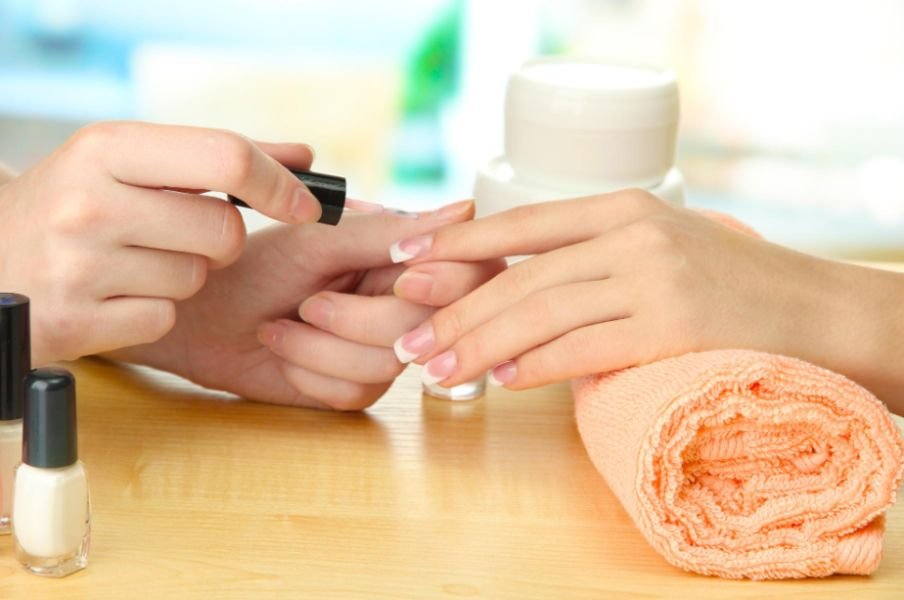
A basic manicure can keep edges smooth and make me more motivated to protect my progress. However, a salon should not work over bleeding skin, swelling, significant tenderness, or suspected infection.
Artificial nails may create a temporary biting barrier for some people, but they are not automatically the healthiest choice for damaged nails. Application, lifting, prolonged wear, and improper removal can cause additional trauma. Picking or peeling off gel, acrylic, or press-on products can strip layers from the natural nail.
If I choose a manicure, I tell the nail professional about the biting damage and request gentle preparation. Tools should be properly cleaned, and the cuticles should not be aggressively cut.
If your nails or surrounding skin become irritated easily, following a nail care routine for sensitive skin can help you choose gentler products and avoid additional damage during recovery.
Address the Habit as Well as the Damage
Physical care cannot fully work if biting continues unchecked. I first identify when it happens. Common triggers include deadlines, driving, watching television, studying, boredom, anxiety, and noticing a rough nail edge.
Once I recognize the pattern, I place a competing activity in that environment. A fidget object beside the computer, sugar-free gum during a commute, or a stress ball near the television gives my hands or mouth another job. Although research into the effect of gum chewing on blood flow and stress responses continues, I primarily use gum as an oral substitute for nail biting. Gloves, finger covers, tape, or bandages can provide a temporary barrier during predictable high-risk periods.
Tracking each episode can reveal patterns that are difficult to notice otherwise. I record the activity, emotion, finger involved, and response I tried. If stopping all at once feels overwhelming, I protect one hand or selected fingers first and gradually expand the no-biting area.
Frequently Asked Questions
1. What are the most useful nail care tips for nail biters?
Keep the nails short and smooth, moisturize the surrounding skin, protect damaged fingertips, manage hangnails with clean tools, avoid aggressive cosmetic treatments, and use barriers or replacement behaviors to interrupt biting.
2. Can badly bitten nails grow back normally?
Many bitten nails improve as undamaged nail grows from the base. Recovery may take several months, however, and repeated injury to the nail matrix can cause longer-lasting changes.
3. Should I put acrylic nails over bitten nails?
Acrylics may deter biting, but they should not be applied over open, bleeding, swollen, or infected skin. Discuss the condition of the nails with a qualified nail professional before choosing an enhancement.
4. Does cuticle oil make bitten nails grow faster?
Cuticle oil does not dramatically accelerate natural nail growth. It can moisturize dry skin and reduce rough areas that encourage picking, which helps protect the growth that is already occurring.
A Healthier Path Forward
I do not expect one manicure or one bottle of bitter polish to undo a long-term habit. My best results come from combining gentle nail care with awareness of when and why I bite. I keep rough edges smooth, moisturize consistently, protect broken skin, and prepare an alternative action for moments when the urge appears.
Progress may include setbacks, but one damaged nail does not erase the healing already underway. By returning to the routine instead of responding with frustration, I give every new section of nail a better opportunity to grow safely.
Leave a Reply