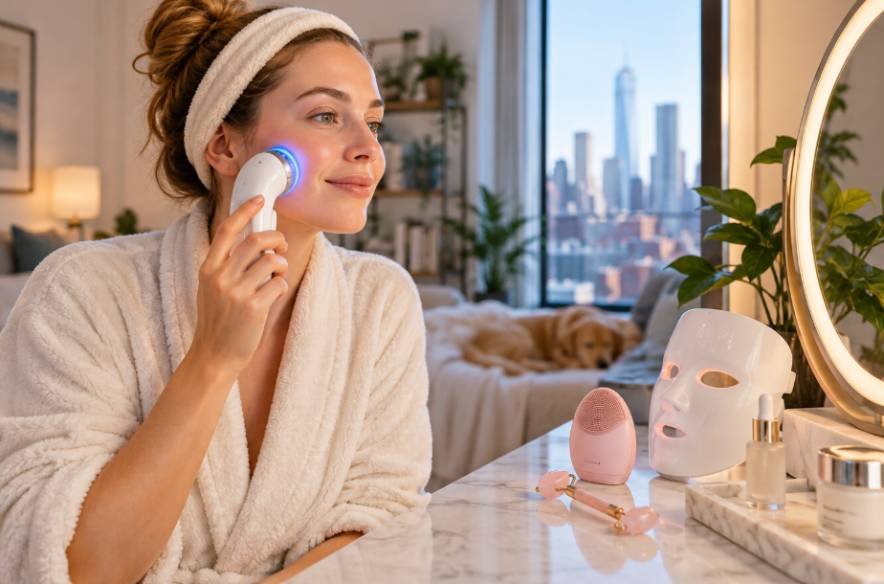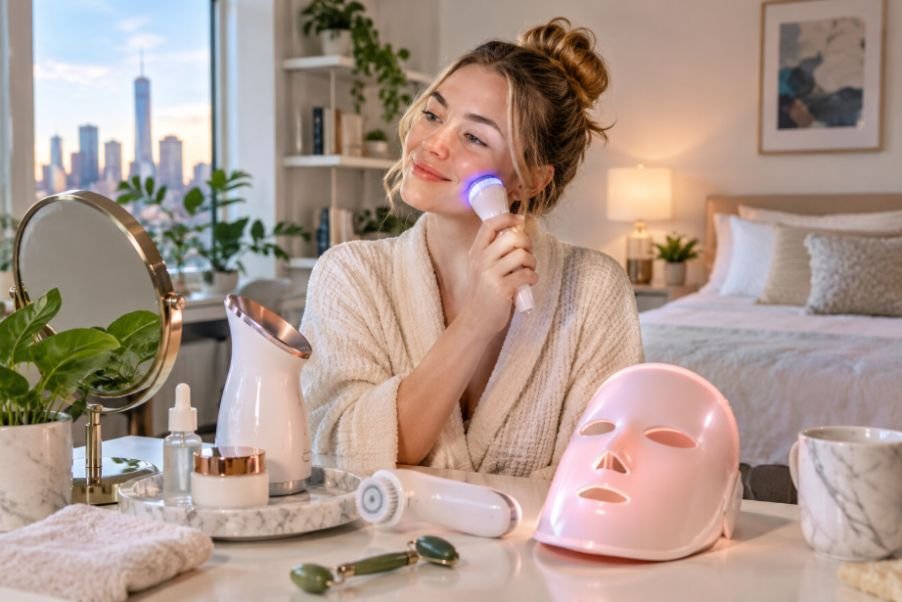
I used to think a cordless beauty device was an easy purchase: pick a compact model, charge it, and work it into my routine. Then I noticed how quickly attractive features can distract from practical details. Battery life and cleaning can matter more than a sleek design.
I also realized that beauty technology works best when it solves a specific problem rather than adding another gadget to the bathroom counter. Before spending money, I now look at what it does, the evidence behind its claims, and whether I can use it consistently.
Start With the Result You Want
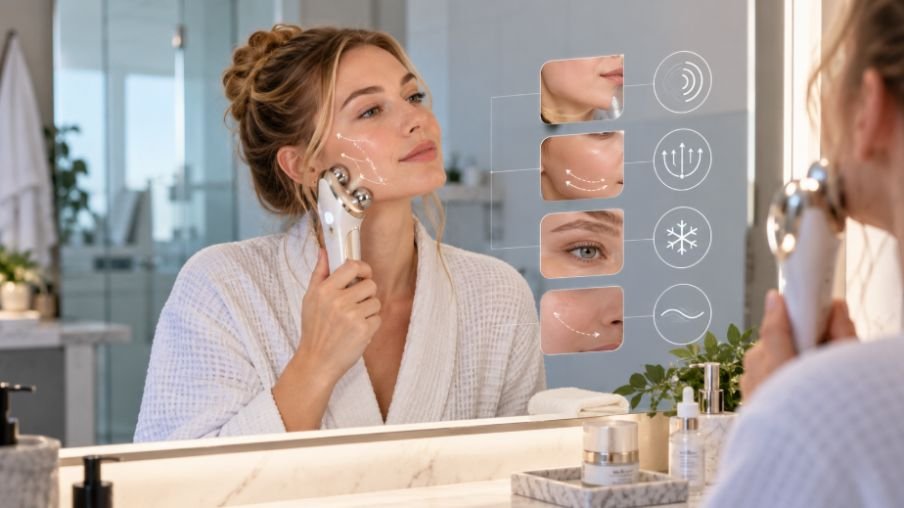
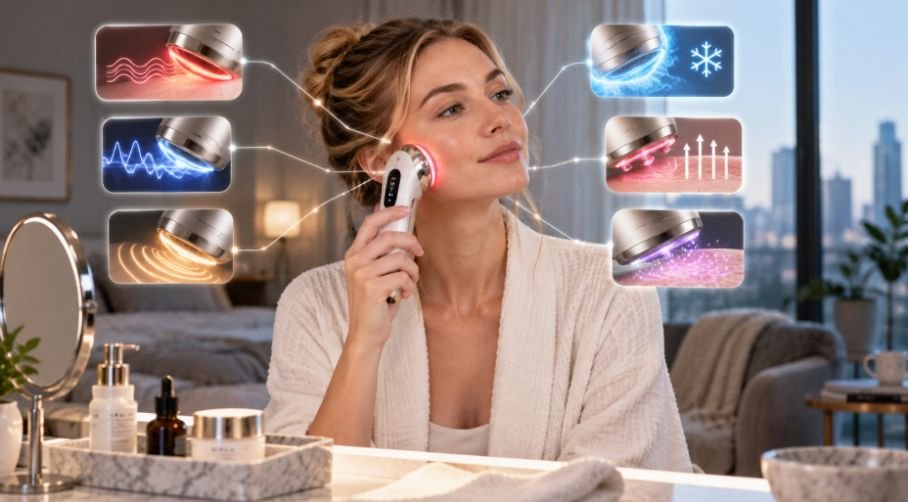
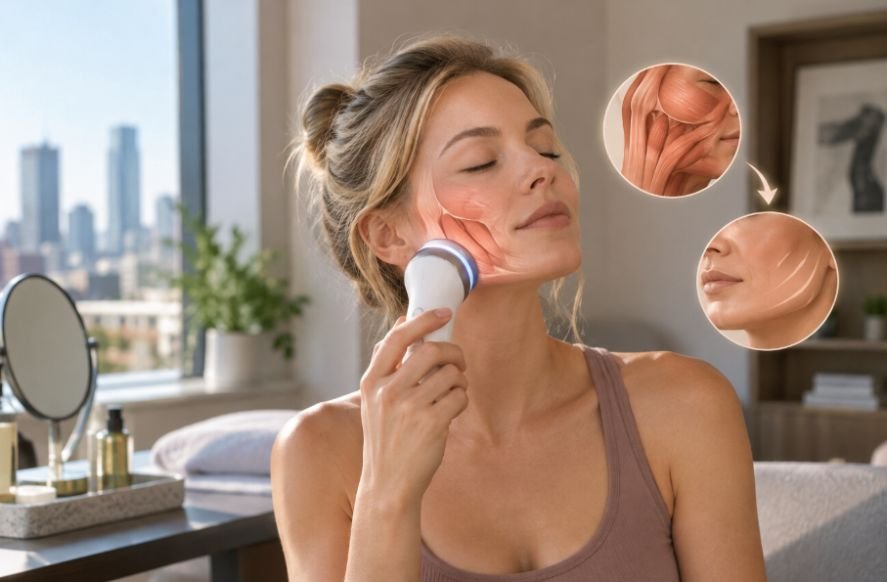
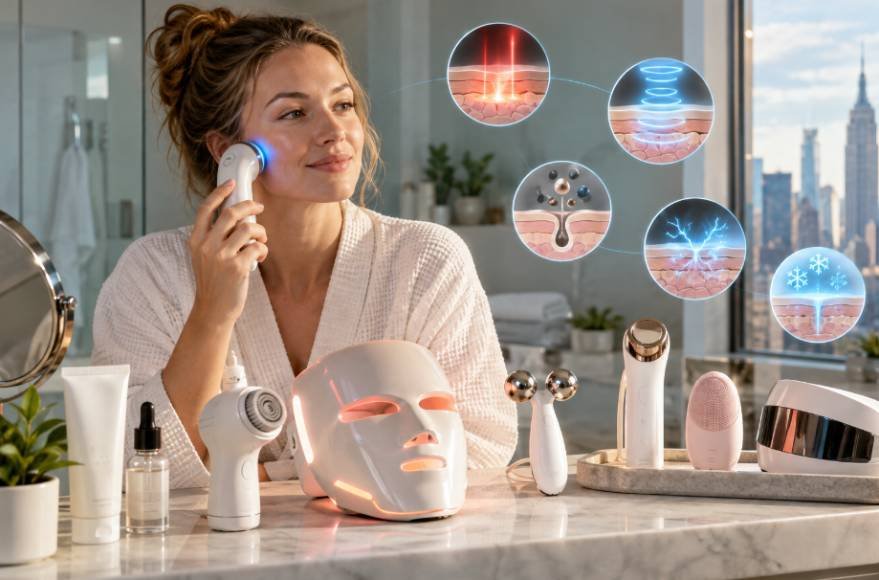
Begin with your goal, not the device category. Someone looking for temporary facial toning may need different technology than someone targeting acne, uneven tone, fine lines, or cleansing. LED, microcurrent, massage, heat, and cleansing tools work in different ways, so a device with more functions is not automatically more useful.
Read the manufacturer’s instructions for session length, frequency, compatible products, and expected results. If the claims sound broader than the technology can reasonably support, treat that as a reason to research further.
Battery Life Is More Than a Number
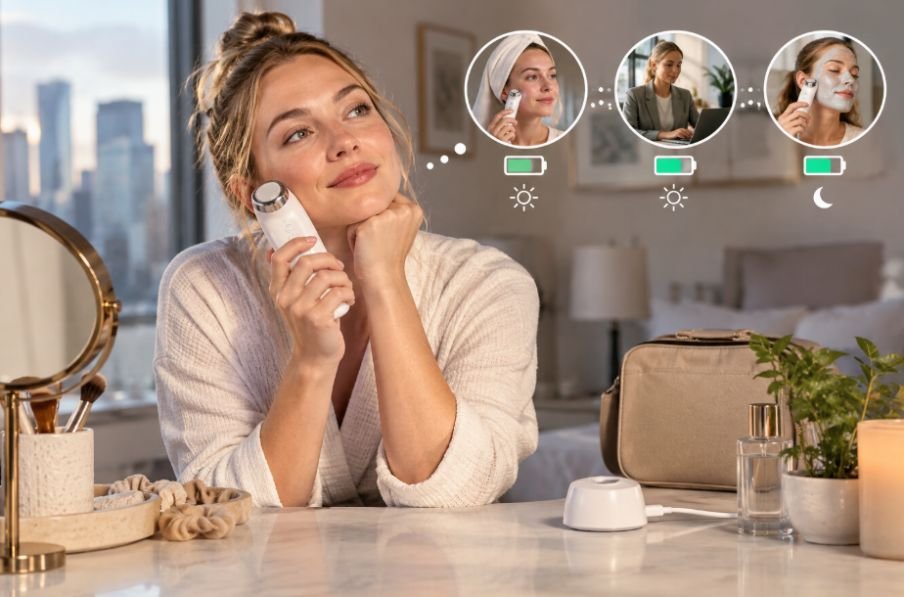
A cordless beauty device is only convenient if its battery supports your routine. Check the stated runtime, charging time, charging method, and whether the device can operate while connected to power. Frequent charging can become frustrating.
A rechargeable device can be useful for travel, but a proprietary charging cable or bulky dock can reduce that convenience. If the manufacturer sells a replacement battery, cable, or charger separately, check those costs before buying.
Comfort Can Determine Consistency
Weight and shape deserve more attention than they usually receive. A handheld device may feel light for two minutes but become tiring during a longer treatment. A wearable mask may leave your hands free yet feel uncomfortable around the nose, eyes, or straps.
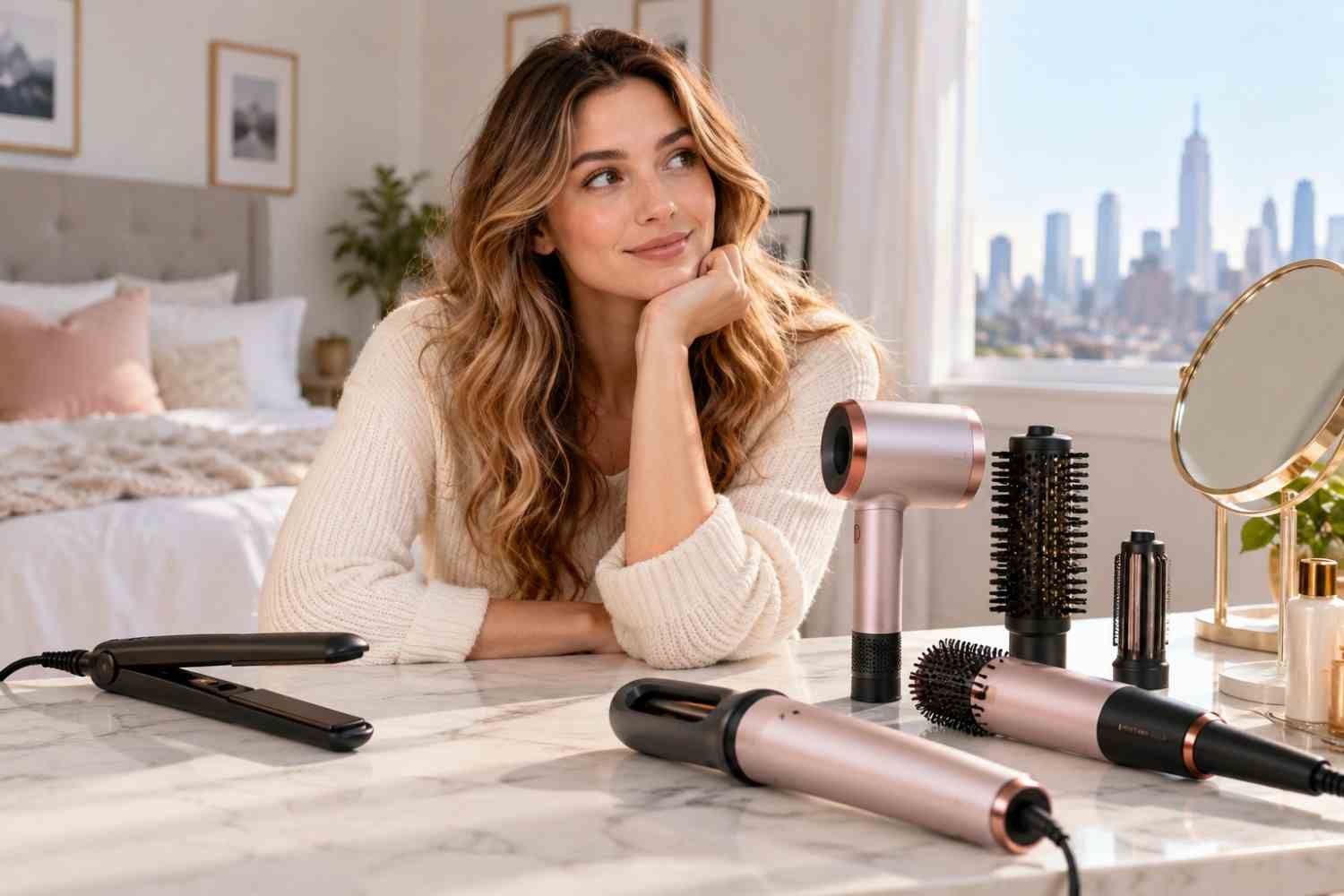
One reason why compact beauty devices are gaining popularity is that smaller designs can make storage easier, but compact does not automatically mean comfortable. Look for an ergonomic grip, simple controls, and secure attachments.
Check the Technology and Evidence
Beauty devices can make impressive promises, so separate the technology from the marketing.
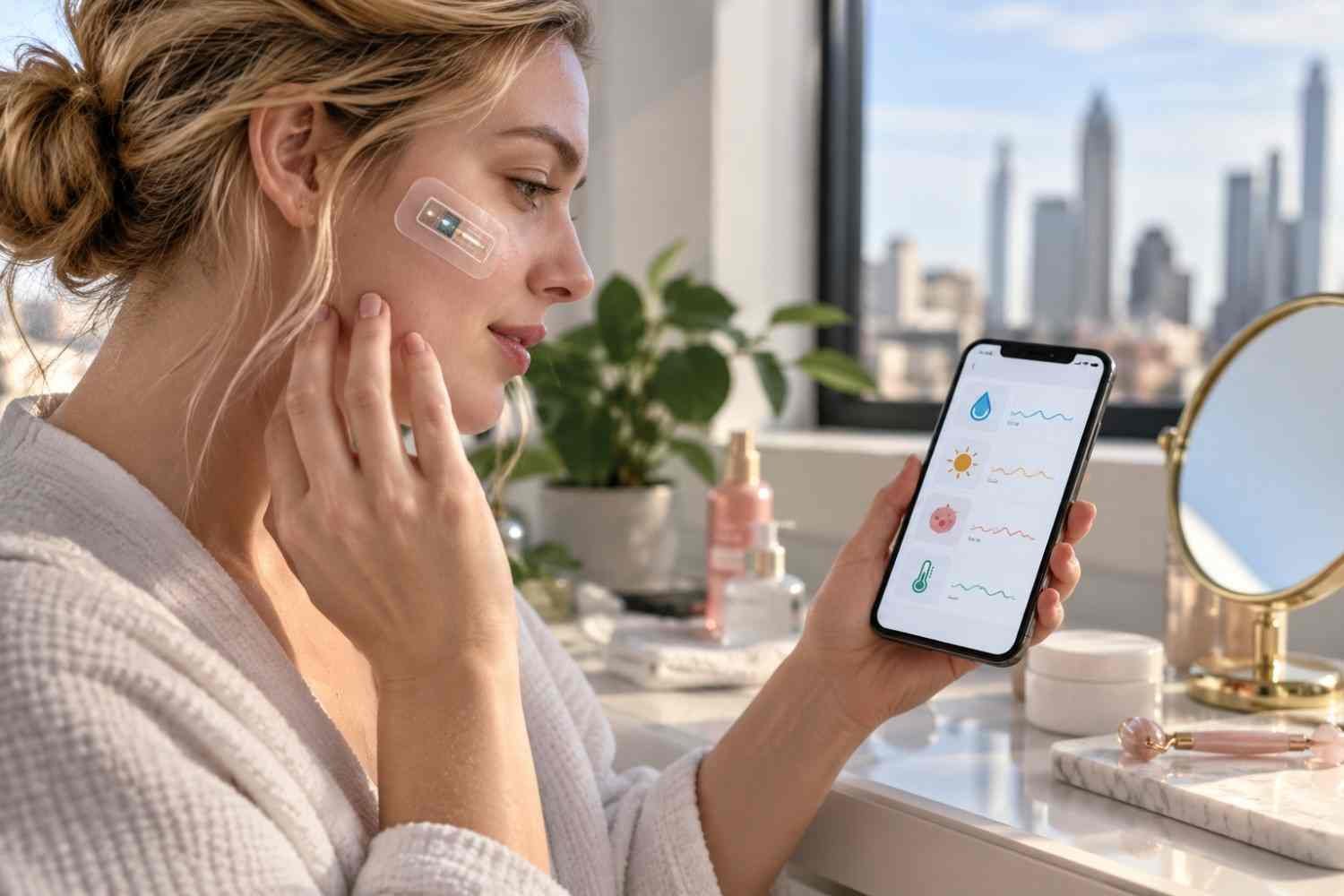
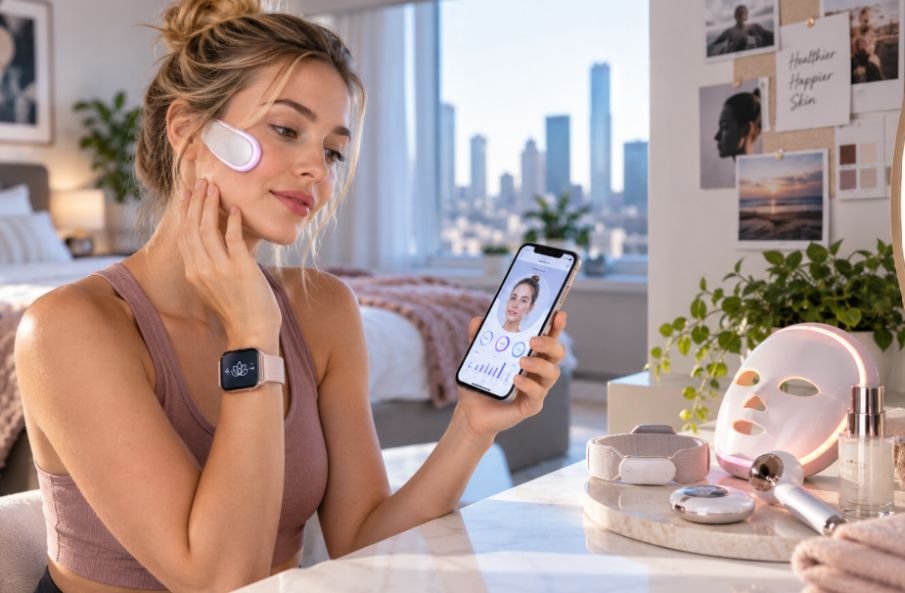
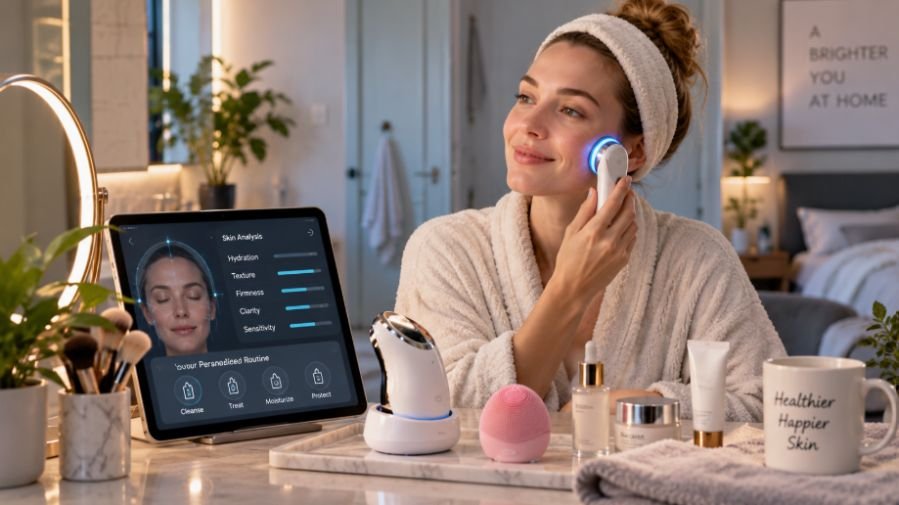
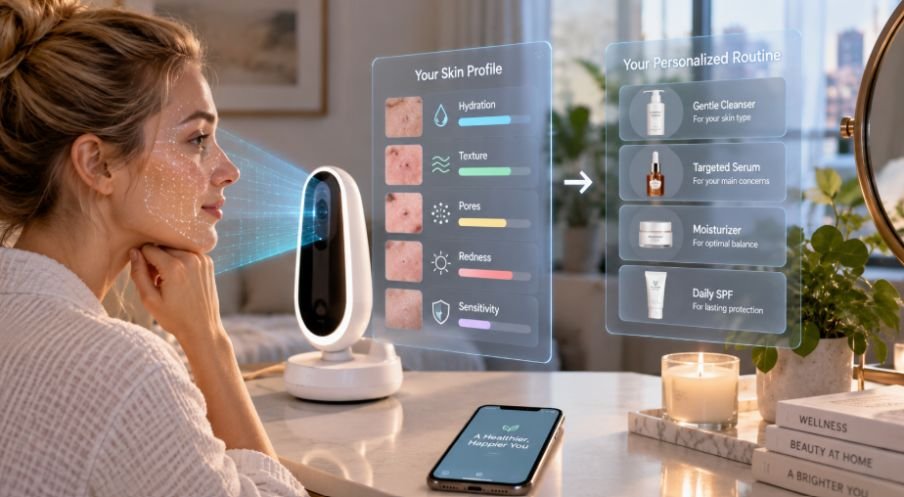
Research the mechanism and evidence behind the specific device. AI-powered skincare devices for personalized routines are one example of how technology can tailor recommendations or settings, but evidence for a technology does not necessarily prove that every consumer product using it delivers the same results.
Research the mechanism and evidence behind the specific device. Evidence for a technology does not necessarily prove that every consumer product using it delivers the same results.
At-home treatments can be less powerful than professional treatments, meaning subtler results and a greater need for consistent use. If a device includes LED, examine details such as wavelengths and treatment instructions rather than relying on phrases like “advanced light therapy.”
For microcurrent products, check whether the device requires a conductive gel or primer. That recurring expense can affect practicality.
Think About Safety Before Convenience
Read the safety information before using any electrical skincare device. Pay attention to warnings involving sensitive skin, medications, implanted electronic devices, recent procedures, pregnancy, or other conditions listed by the manufacturer. When the instructions recommend professional advice, follow it.
Regulatory language deserves careful reading as well. Terms such as FDA-cleared, FDA-approved, or authorized have specific meanings and should not be treated as a universal guarantee of effectiveness. Aesthetic devices can involve risks, temporary effects, and results that differ between users.
Maintenance Is Part of the Purchase
A device that touches your skin needs a realistic cleaning and storage routine. Check whether contact surfaces can be wiped, whether the device is water-resistant, and which cleaning products the manufacturer permits. Avoid assuming that waterproof means every component can be submerged.
Maintenance also affects longevity. Keeping a device dry, charging it according to instructions, and storing removable attachments properly can prevent avoidable wear. Check whether replacement heads, straps, conductive products, or other accessories are readily available.
For a detailed routine, how to clean and store electric skincare devices correctly is worth understanding before the device becomes part of your daily setup.
Look Past the Sticker Price

The purchase price tells only part of the story. Add the cost of required gels, replacement parts, charging accessories, filters, or other consumables. Consider the warranty and customer support.
A cheaper device can become less economical if it needs frequent replacement or includes expensive proprietary accessories. Paying more does not automatically mean better performance. Compare the features you will actually use rather than paying for a long list of settings.
Make Sure It Fits Your Routine
Consistency is one of the easiest factors to overlook. A device can have excellent specifications and still sit unused if the treatment takes too long, feels awkward, or requires several preparation steps. Think about when you would use it and what part of your existing routine it would replace or complement.
Imagine using the device on an ordinary busy week, not on the day it arrives. If the required schedule already feels inconvenient, the device may not be practical. Choose something that removes friction instead of creating another chore.
Frequently Asked Questions
1. Is cordless always better for a beauty device?
Not necessarily. Cordless models offer freedom of movement, but battery life, charging time, and runtime matter. A corded device can be more practical if you use it for long sessions.
2. How important is battery life?
It depends on your treatment schedule. Frequent users should compare runtime with session length and charging frequency before buying.
3. Should I prioritize more features?
Only if you will use them. A simpler device that matches your main goal may be more useful than a multifunctional model with settings you rarely touch.
4. How can I judge whether a device is worth buying?
Check the technology, evidence, safety information, maintenance requirements, warranty, recurring costs, and expected treatment schedule. Then decide whether those factors fit your routine.
The Device Should Fit the Routine
The best cordless beauty device is not necessarily the one with the most settings, highest price, or most polished packaging. It is the one whose technology matches a real need, whose upkeep feels manageable, and whose treatment schedule fits ordinary life. Looking closely at those details before buying can turn a tempting gadget into a useful part of your routine.
The easiest device is often the one you actually use. Convenience matters, but consistency decides whether convenience becomes value.